The 10-Amino-Acid Complex: The Hydration and Resilience Layer

Ingredient File · Amino Acids

The 10-amino-acid complex — hydration and resilience.

Arginine, Glycine, Alanine, Serine, Valine, Proline, Threonine, Isoleucine, Histidine, Phenylalanine. Free amino acids — the smallest building blocks of hair — the most readily absorbed.

Members
10 amino acids + supporting NMF
Role
Moisture binding + structural rebuild
Found In
Atomic + AquaLush (with 11th + silk)
Verifiable
Every member on the INCI label
01 · The chemistry

What amino acids do in hair

Hair is made of keratin, and keratin is made of amino acids. Eighteen amino acids in specific proportions make up the protein structure of every hair fiber.

When hair is damaged, the keratin matrix loses both protein content and bound water — the hair becomes drier, more brittle, less elastic. Replenishing free amino acids serves two purposes:

  1. Hygroscopic effect — amino acids attract and bind water molecules, holding moisture inside the fiber.
  2. Structural reinforcement — free amino acids can integrate into damaged keratin sites, locally rebuilding what was lost.

Different from hydrolyzed protein (larger, surface adhesion) and different from peptides (short chains, deposit units). Free amino acids are the smallest building blocks and the most readily absorbed.

02 · The ten

What’s in the Oli G complex

Pulled from the formulation lab, present in Atomic Hair Repair Leave-In and AquaLush Peptide Fiber Mask:

Arginine
Basic; tensile strength support
Glycine
Simplest; high keratin concentration
Alanine
Hydrophobic; keratin stability
Serine
Hydroxyl; NMF; water affinity
Valine
Branched-chain; chain stability
Proline
Imino; structural rigidity
Threonine
Hydroxyl; hygroscopic
Isoleucine
Branched-chain; structural
Histidine
Imidazole; metal chelation
Phenylalanine
Aromatic; UV-absorbing

AquaLush adds an eleventh — Aspartic Acid — plus a layer of silk amino acids for additional structural depth.

03 · Why ten

The blend beats the single

A single amino acid in a formula provides one function. Glycine alone humidifies; Arginine alone reinforces. The hair fiber is built from all eighteen, and damaged hair has lost a profile of amino acids, not just one.

A ten-amino-acid complex replicates more of the natural amino acid profile of healthy hair. The combination matters more than any individual member.

Similar to nutrition: a balanced amino acid profile outperforms a single supplement. The parts work together.

04 · Support cast

Sodium PCA + Sodium Lactate

Two humectants accompany the amino acid complex:

  • Sodium PCA (Sodium Pyrrolidone Carboxylate) — derivative of glutamic acid; a primary component of the Natural Moisturizing Factor (NMF). Powerful water-binding capacity.
  • Sodium Lactate — sodium salt of lactic acid; humectant; mild pH adjuster; part of the NMF profile.

Together with the ten amino acids, this layer is what makes hair feel soft and pliable after Oli G — not slick from silicone coating, but conditioned from the inside.

05 · The lineup

Where you’ll find it

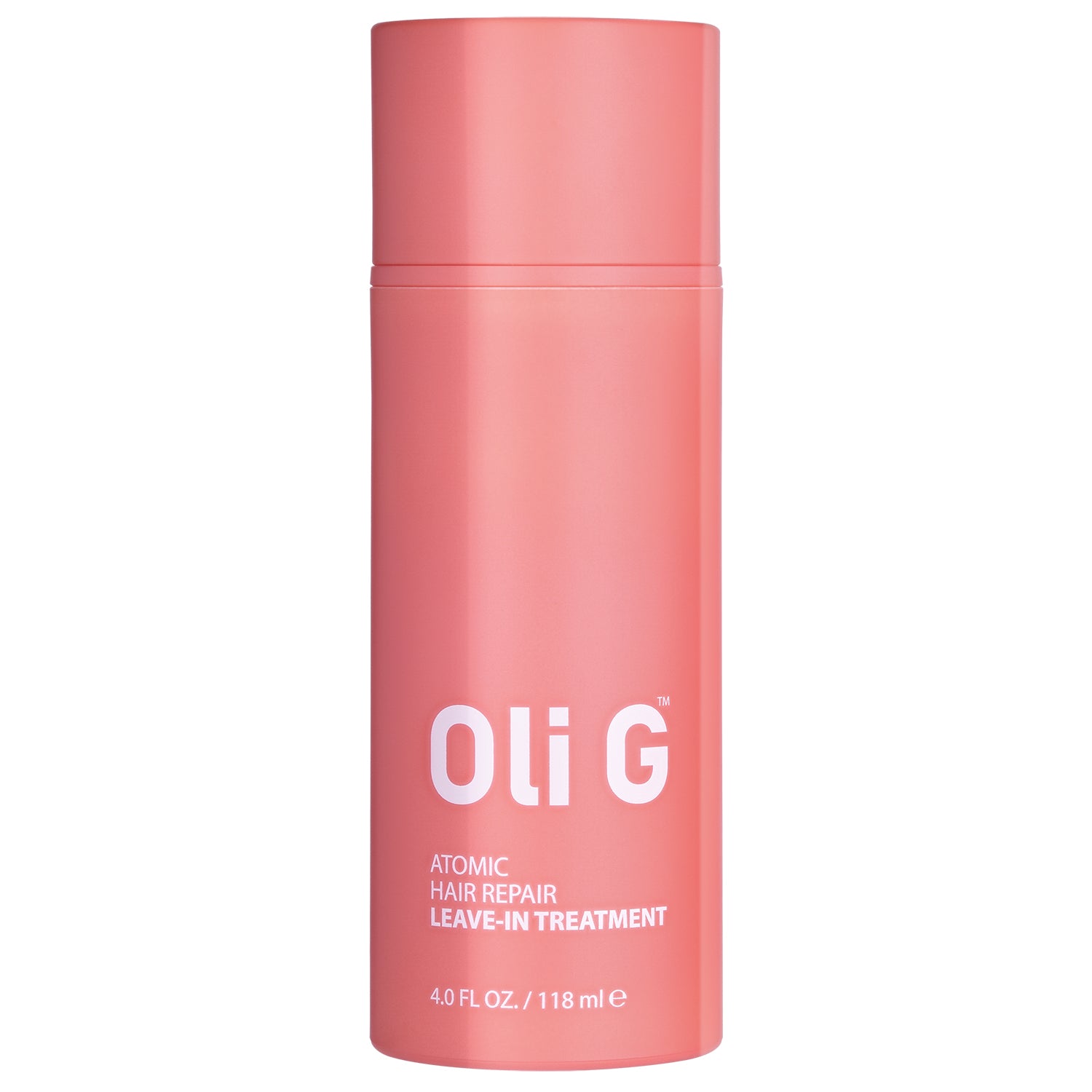
Atomic Hair Repair Leave-In

The daily application. Amino acids deposit alongside the dual peptides, into an open cuticle, every wash.

AquaLush Peptide Fiber Mask

The weekly intensive. Expanded amino acid bed (ten plus silk amino acids), used in place of conditioner for a deep restoration.

06 · Transparency

How this differs from “amino acid” claims elsewhere

Lots of haircare formulas list “amino acids” on the bottle without specifying the profile. Often the formulation contains one or two amino acids (commonly Arginine or Glycine alone) and uses the plural for marketing benefit.

The Oli G complex is verifiable: every amino acid is listed on the INCI ingredient label of Atomic and AquaLush. The complex is auditable from the bottle.

Ten amino acids. Two products.

Atomic for every wash. AquaLush for the weekly intensive. The natural moisturizing factor profile, replicated.