Silicon-Bonded Plant Protein: Why Oli G Doesn't Use Standard Hydrolyzed Protein

Ingredient File · Proteins

Silicon-bonded plant protein — protein that doesn’t rinse off.

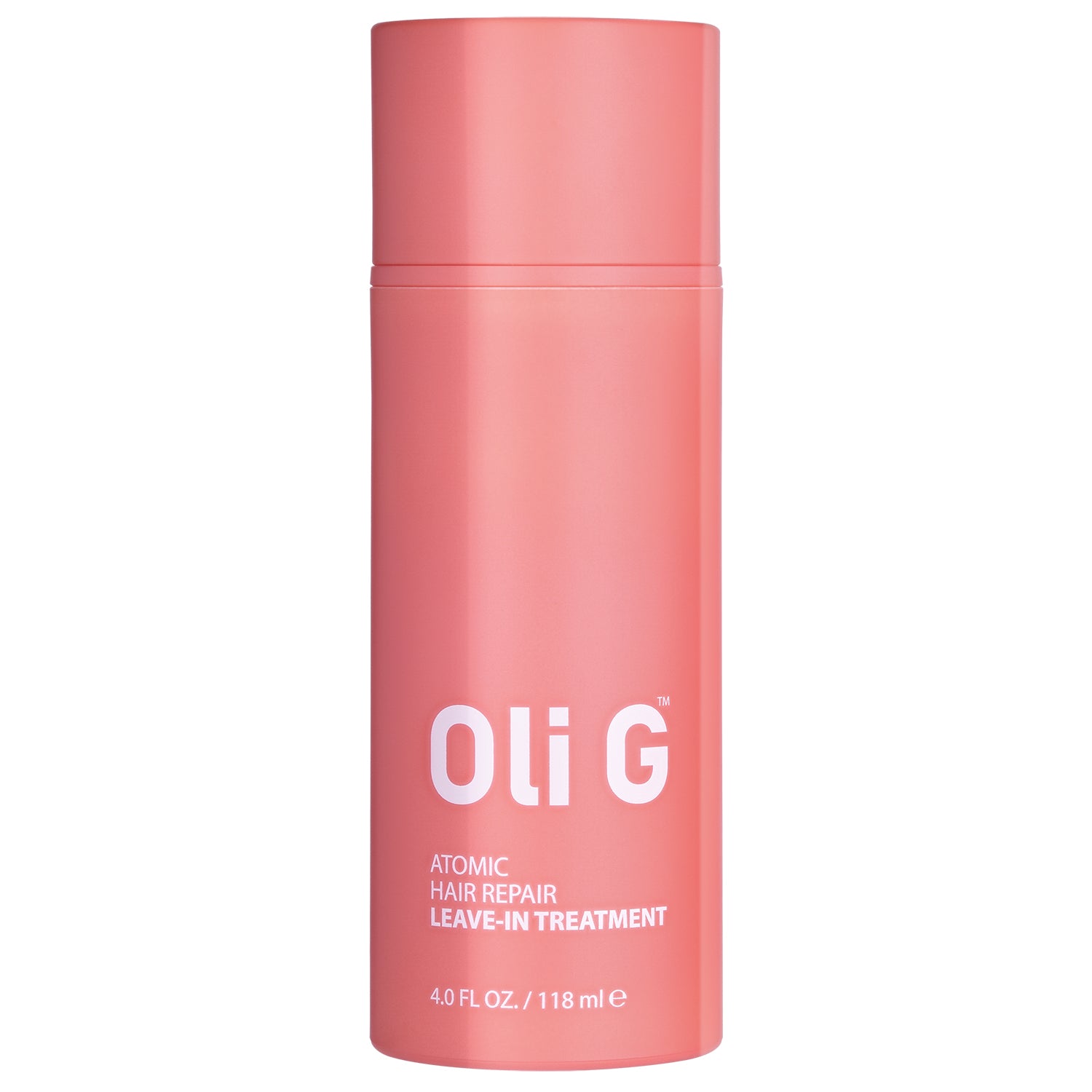
Hydrolyzed Vegetable Protein PG-Propyl Silanetriol. Plant protein chemically modified with a silicon anchor that binds to the cuticle. Deposits and stays — unlike free hydrolyzed protein, which rinses with the next wash.

Type
Hydrolyzed plant protein + silicon anchor
Mechanism
Cuticle bond, not surface coat
Found In
Atomic Hair Repair Leave-In
Vegan
Yes — plant-derived protein
01 · The problem

The protein problem most haircare ignores

Hydrolyzed protein is one of the most common ingredients in haircare. Wheat protein, soy protein, oat protein, rice protein, quinoa protein — all hydrolyzed (broken down into smaller fragments) and added to formulas to support hair fiber integrity.

The problem: free hydrolyzed protein rinses off. It provides a temporary smoothing effect, then it’s gone with the next wash. To stay on the hair, the protein needs an anchor to the cuticle.

This is where Hydrolyzed Vegetable Protein PG-Propyl Silanetriol changes the equation.

02 · The solution

What it is

Hydrolyzed Vegetable Protein PG-Propyl Silanetriol is hydrolyzed plant protein chemically modified with a silicon-based functional group (PG-Propyl Silanetriol).

The silicon component has affinity for the keratin surface of the hair cuticle. It binds to the cuticle the way a chemical primer binds paint to a surface. The plant protein is anchored at the bond site.

Result: a protein that deposits and stays, rather than a protein that smooths and rinses.

03 · In context

How it works in Atomic

In Atomic Hair Repair Leave-In Treatment, this ingredient sits alongside the dual peptide system (SH-Oligopeptide-78 + Biotinoyl Tripeptide-1). The peptides enter the cortex; the silicon-bonded protein anchors at the cuticle.

This is a two-level deposit:

  • Inside the cortex: dual peptides + 10-amino-acid complex + humectants
  • At the cuticle: silicon-bonded plant protein + premium cationic conditioners

The cuticle-level deposit is what makes Atomic’s smoothness durable. The cortex-level deposit is what makes it cumulative — hair gets stronger week over week.

04 · Common question

Is this just a silicone?

A reasonable question: if the ingredient has “silanetriol” in the name, isn’t it just a silicone in disguise?

No. There are two distinct categories:

Silicones

Dimethicone, Amodimethicone. Fully synthetic polymer chains based on silicon-oxygen backbones. They coat the hair surface; some can build up over time.

Silanetriols

PG-Propyl Silanetriol. Silicon-based functional groups attached to a carrier (hydrolyzed protein). Not polymer coatings — anchor points for the active ingredient.

Oli G’s product uses the silicon chemistry as a delivery system for the plant protein, not as a surface coating. The protein is the active; the silanetriol is the anchor.

05 · Why plant matters

Vegan-compatible by design

The hydrolyzed protein component is plant-derived, not animal-derived. This makes the ingredient compatible with vegan formulations and avoids the allergen profile some animal-derived proteins carry.

Plant proteins with the right amino acid profile (high in glutamic acid, aspartic acid, and arginine) provide strong substantivity for hair without animal sourcing.

06 · Safety

Compatibility profile

  • Color-safe: Yes.
  • Bleach-safe: Yes.
  • Vegan: Yes — plant-derived.
  • Cruelty-free: Yes.
  • Build-up risk: Low. Unlike silicones, the silanetriol anchor doesn’t accumulate as a surface film. Pure Detox handles any residual buildup if hair feels heavy.

Protein that actually stays.

The cuticle anchor in Atomic. Paired with the peptide cortex deposit for two-level repair.