Oligopeptides in Hair Repair: The Molecule Behind the System

Ingredient File · Peptides

Oligopeptides — the molecule we named ourselves after.

Short chains of amino acids small enough to slip past the cuticle and into the cortex, where damage actually lives. Most conditioning ingredients sit on the surface. Oligopeptides go inside.

Type
Short peptide chain (2–20 amino acids)
Function
Cortex-level structural repair
Found In
Atomic, AquaLush, Chemical Addiction, Renew
Used Daily
Yes — not a treatment-only ingredient
01 · The molecule

What is an oligopeptide?

An oligopeptide is a short chain of amino acids — typically between two and twenty residues long. The prefix oligo- comes from the Greek for “few,” distinguishing these short peptides from longer polypeptide chains and full proteins.

In haircare, oligopeptides are valuable for one specific reason: they are small enough to slip past the cuticle and into the cortex, where damage actually lives. Most conditioning ingredients sit on the surface. Oligopeptides go inside.

The name Oli G is a nod to the molecule. Every Oli G formula is built around it.

02 · The mechanism

Why size matters

Healthy hair is built from keratin — a fibrous structural protein arranged in tightly packed bundles. When hair is damaged by bleach, color, chemical services, or heat, two things break:

  1. Polypeptide chains — the long protein backbones that give hair its tensile strength.
  2. Disulfide bonds — the cross-links between keratin chains that hold the fiber’s shape.

Repair requires getting inside the cortex to the broken sites. The cuticle layer — overlapping cells that form the outer sheath of the hair shaft — is selective about what it lets through. Large molecules can’t enter. They stay on the surface, providing temporary smoothing, then wash off.

Oligopeptides are small enough to pass the cuticle barrier. Once inside, they bind to broken keratin sites and reinforce the structure from within.

03 · The pair

The two oligopeptides Oli G uses

Most peptide haircare brands use a single peptide. Oli G uses two, deployed at different stages of the system to target different damage mechanisms.

SH-Oligopeptide-78

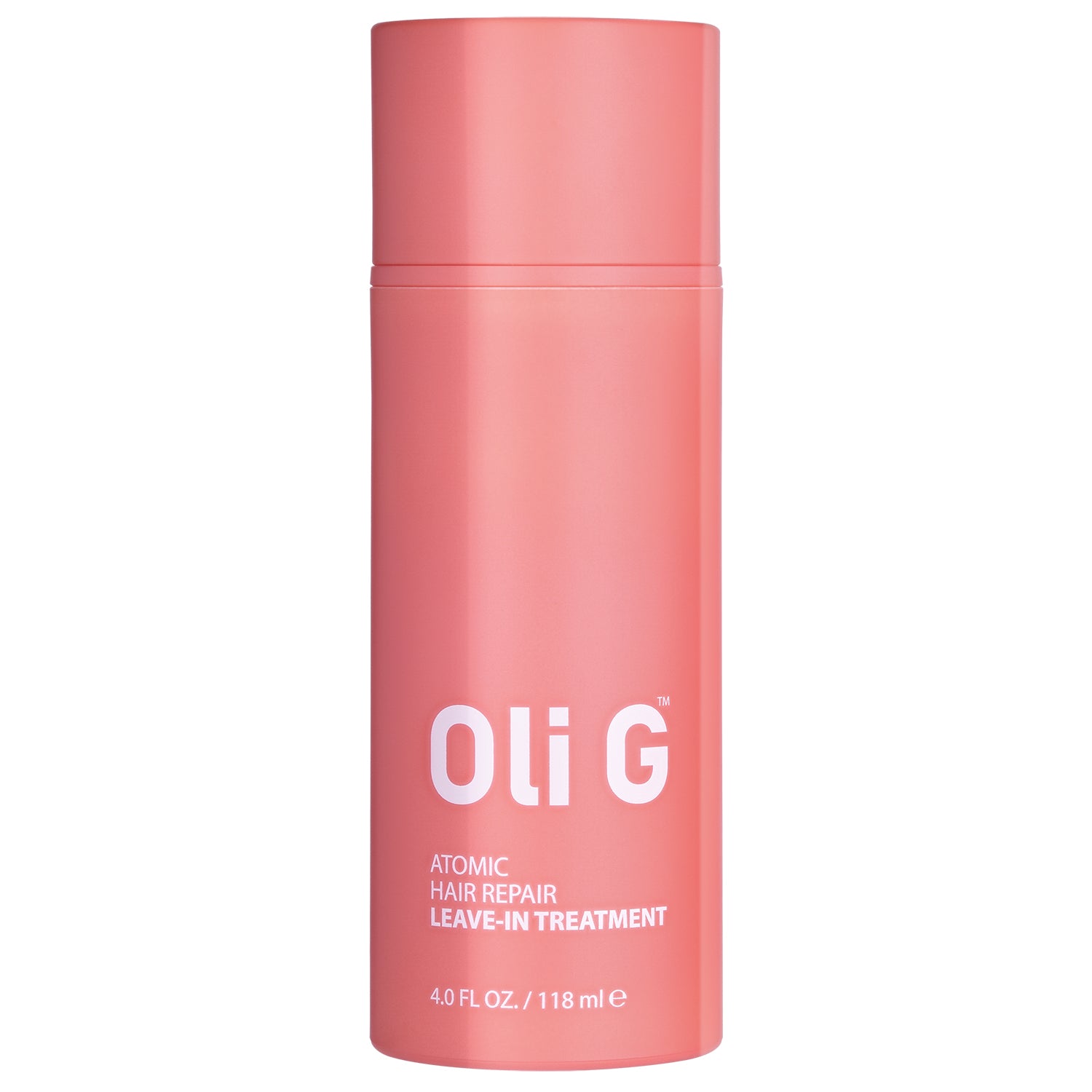
A copper-binding peptide that supports the hair’s natural repair pathways and signals around damaged sites. Found in Atomic Hair Repair Leave-In Treatment — the daily peptide deposit applied to damp hair, every wash. Read more →

Biotinoyl Tripeptide-1

A biotin-conjugated tripeptide (three amino acids) attached to a biotin molecule. Reinforces follicular structure and supports the hair fiber’s mechanical resilience. Found in Atomic, Chemical Addiction, AquaLush, and Renew — four of the seven Oli G products. Read more →

These two peptides aren’t redundant. They work on different mechanisms and reinforce each other across the system.

04 · The distinction

Peptides vs. bond builders

The bond-repair category in haircare includes several distinct molecules, each with a different mechanism. Oligopeptides reinforce the polypeptide chain itself by depositing into damaged keratin sites. Bond builders re-link broken disulfide bonds — different mechanism, complementary outcome.

For most users with bleach, color, or chemical damage, oligopeptides address the deeper structural deficit. Bond builders address the cross-link breakage. The two can be used together; they’re not mutually exclusive.

05 · The pH key

Why oligopeptides require pH cycling

Peptides deposit best into an open cuticle. The cuticle opens at alkaline pH (above 7) and closes at acidic pH (below 7).

Apply a peptide product at neutral or acidic pH and you’ve lost most of the deposit before it can enter the cortex.

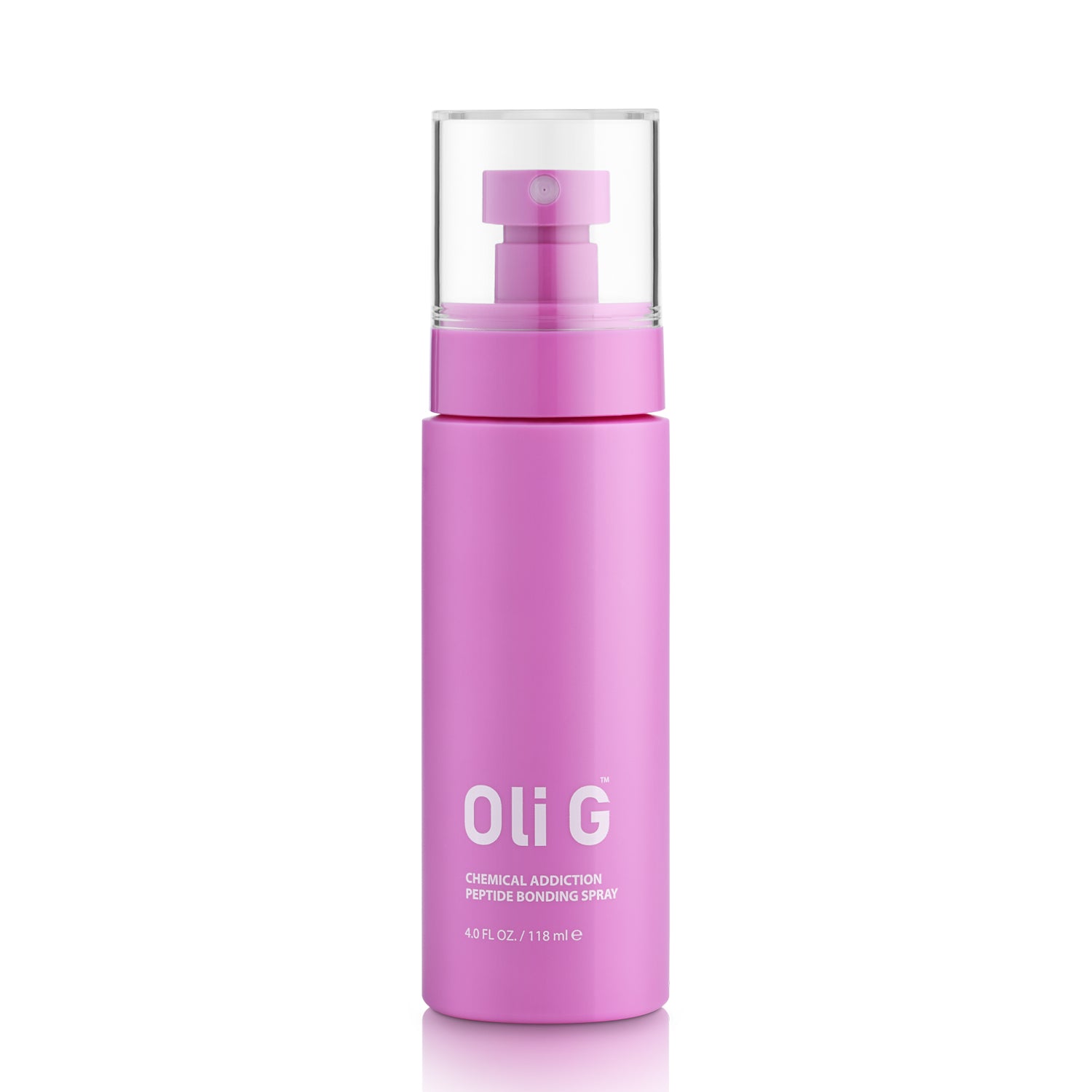
This is why Oli G engineers the pH cycle: the Atomic leave-in is deliberately formulated at pH 7.0–8.0 (mildly alkaline) so the cuticle opens and accepts the peptide. The next step — Chemical Addiction Peptide Bonding Spray at pH 3.5–4.6 — closes the cuticle around the deposited peptides, sealing them in.

Most peptide products skip this step. The result: surface adhesion that washes off, not durable cortex repair. Read more about the pH cycle →

06 · The lineup

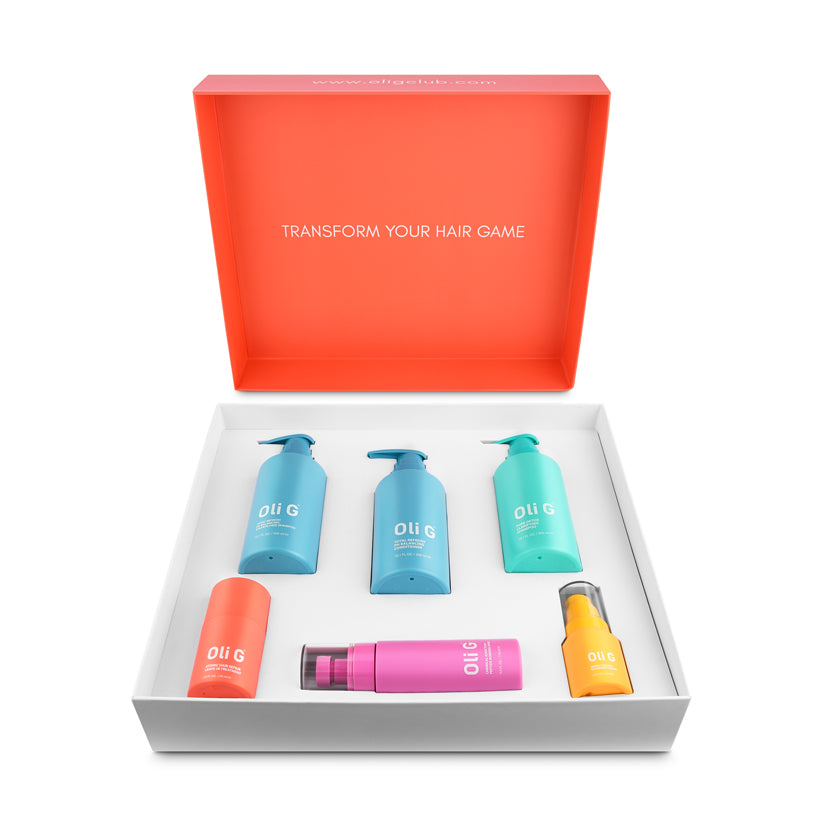
Where you’ll find oligopeptides

  • Atomic Hair Repair Leave-In Treatment — SH-Oligopeptide-78 + Biotinoyl Tripeptide-1, the dual peptide deposit
  • AquaLush Peptide Fiber Mask — Biotinoyl Tripeptide-1 + Hydrolyzed Keratin, the weekly intensive
  • Chemical Addiction Peptide Bonding Spray — Biotinoyl Tripeptide-1, the post-styling seal
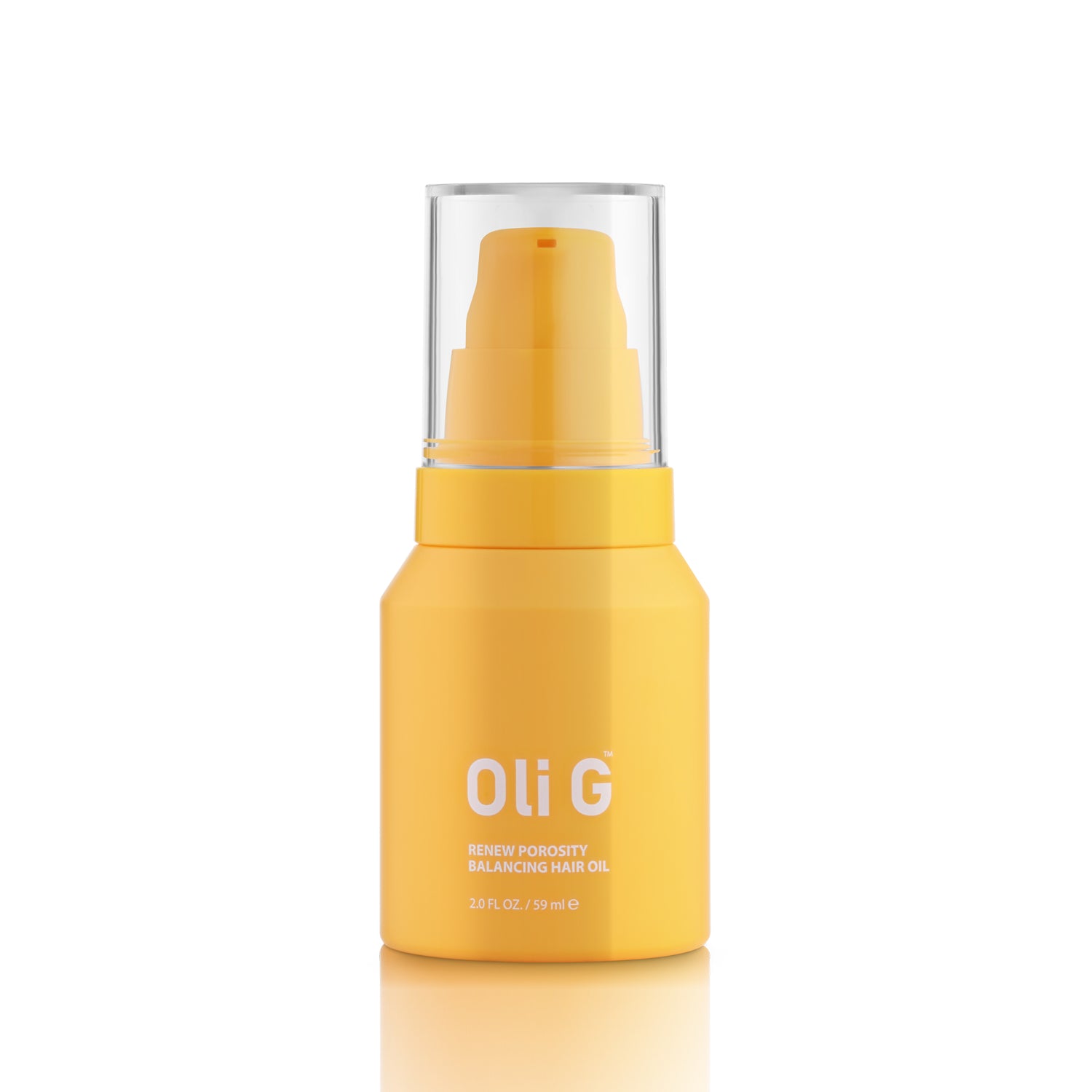
  • Renew Porosity Balancing Oil — Biotinoyl Tripeptide-1 in an oil format for damp ends
07 · Quick answers

Frequently asked

Are oligopeptides safe daily?

Yes. Unlike treatment-only bond builders that require rest periods, the dual peptide system in Atomic is designed for every wash.

Will oligopeptides protect my color?

They strengthen the hair fiber, which helps color hold better. They don’t seal color directly — that’s the role of pH-balanced acidic conditioners (like Total Refresh) that close the cuticle after color deposits.

Are oligopeptides vegan?

The two oligopeptides Oli G uses are synthetically produced and not animal-derived. Oli G products are not tested on animals.

Can I use oligopeptides with bond builders?

Yes. The mechanisms are complementary — peptide repair plus disulfide reconnection. Many stylists pair the two for severely damaged hair.

The peptide deposit, every wash.

Atomic carries both oligopeptides into the cortex. AquaLush layers a weekly flood. The science works because the system works.