Heat above 215°F starts breaking the disulfide bonds that give hair its strength. Most heat protectants slow that damage. Peptide bonding sprays do something different — and here's what.
You've heard it your whole life: heat damages hair. What you've probably never heard is the temperature at which damage actually starts, why the standard heat protectants in the category miss half the problem, and what a peptide bonding spray does differently. The first matters because it determines your flat iron settings. The second matters because it determines which product you reach for. Both are worth fifteen minutes of reading.
What heat actually does to the strand
Hair is built mostly from a protein called keratin, held together by three types of bonds: hydrogen bonds, ionic bonds, and disulfide bonds. The bond types respond differently to heat.
Hydrogen bonds break easily — they're what allow you to set hair into a curl or a blowout. Add water or steam and they reform on their own. This is reversible, and not what we mean when we say damage.
Disulfide bonds are the structural ones. They're what give hair its tensile strength and its shape memory. Disulfide bonds start to denature at around 215°F (about 100°C). Above that threshold, they break in ways that aren't immediately reversible. The strand becomes weaker, more porous, and more prone to splitting at the ends.
Here's the problem: most flat irons and curling irons run at 350°F to 450°F. Most blow-dryers, on high heat at close range, push the local surface temperature into the 300°F range. Every styling session — even a quick blow-dry — is operating well above the threshold at which structural denaturation begins.
You don't get to use heat tools and avoid the temperature zone where damage happens. You only get to control how much protection sits between the heat and the bonds.
Where silicone heat protectants reach their limit
Conventional heat protectants are silicone-based. The mechanism: a coating of dimethicone or a related silicone sits on the cuticle and slows heat transfer from the tool to the strand. Less heat reaches the cortex. Less damage.
That works, partially. The coating does reduce the effective temperature the cortex experiences — by maybe 30 to 50°F depending on the product and the application. The problem is the starting temperature. A flat iron at 410°F minus 40°F of silicone protection still hits 370°F at the strand surface — still well above the disulfide denaturation threshold. The silicone slows the damage. It doesn't prevent it.
Silicones also coat the cuticle, which makes the strand feel smoother for the session but contributes to buildup over time. Two or three weeks of daily heat styling with a silicone protectant, and the cuticle is coated enough to block daily leave-in penetration. (See The Five Mistakes People Make With Peptide Treatments for why this matters — it's a version of Mistake 3 happening before you even know it.)
What a peptide bonding spray does differently
A peptide bonding spray solves a different equation. Instead of just slowing heat transfer, peptides bind into the strand pre-stress — entering the cortex before heat hits, attaching at the structural locations where disulfide bonds would otherwise break.
When the iron lands and the temperature spikes, the bonds heat would have broken are reinforced by the peptide deposit already in place. The disulfide structure of the strand is mechanically supported through the heat event. After the heat tool passes, the strand is in better condition than the silicone-coating model can deliver, because the protection happened at the bond level, not just at the surface.
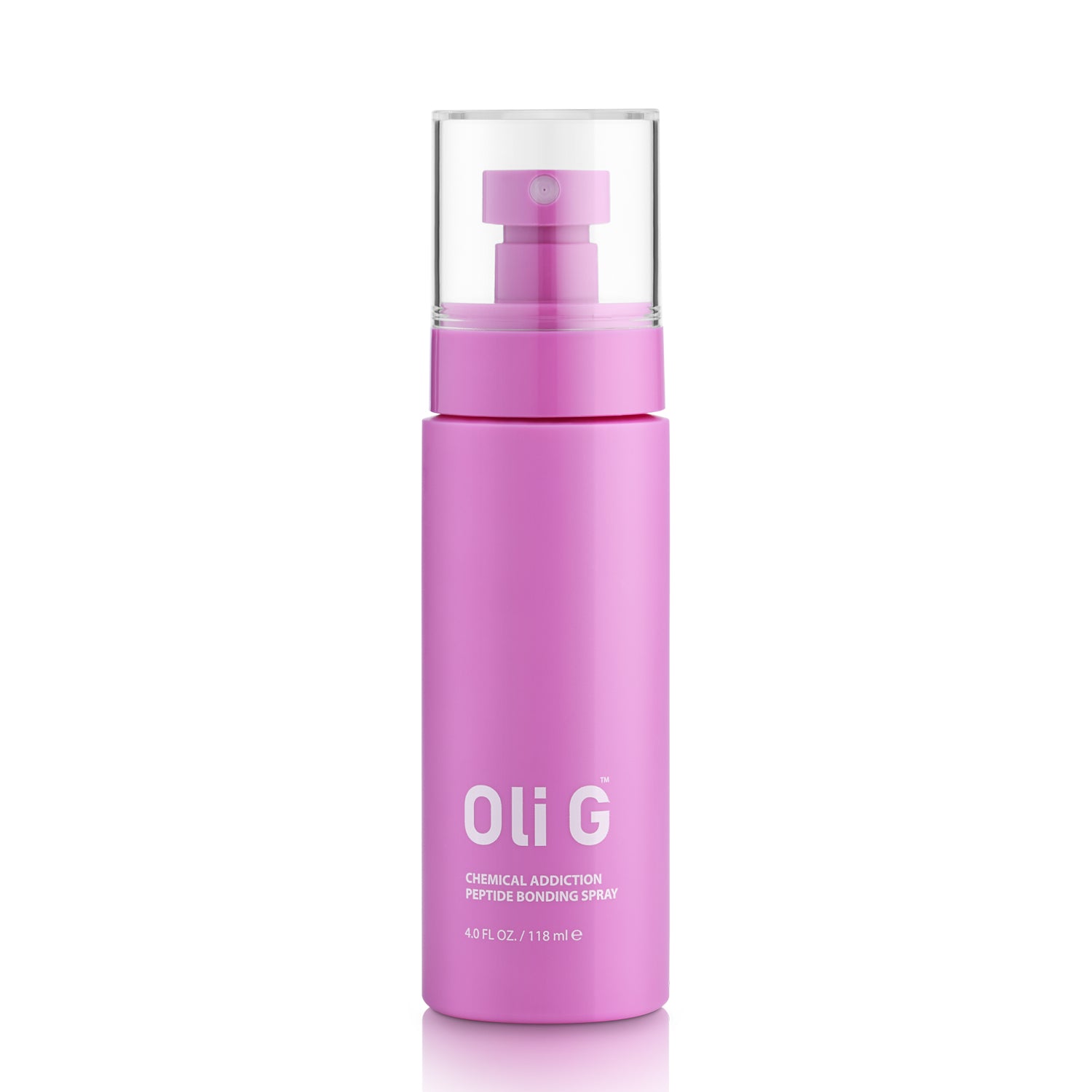
This is the design behind Chemical Addiction at 02 Protect: a peptide bonding spray formulated for pre-heat application. Same principle What's a Peptide, Really? walks through — molecular size matters, and the peptides are small enough to enter the cortex rather than coat the cuticle. The protection lives inside the strand, not on top of it.
When and how to apply it
Three rules for Chemical Addiction to work properly:
- Apply to damp hair, before any heat tool. Damp, not dry — the cuticle is more receptive when slightly lifted from the shower. (For why dry-hair application undermines any peptide product, see Mistake 1 in Five Mistakes.)
- Mist generously through the lengths, focusing on mid-shaft to ends. The ends are where heat tools spend the most time and where damage compounds fastest. Skip the roots; the bond density there is naturally higher, and the peptides land better where they're most needed.
- Comb through and let absorb for one to two minutes before heat. The peptides need a brief window to bind in. A quick comb-through ensures even distribution, and the wait lets the cuticle close back down enough that the heat tool doesn't drag against an over-wet strand.
That sequence — damp, mist, comb, wait, style — is the entire 02 Protect routine. It adds maybe ninety seconds to your styling time and changes what the strand looks like after six months of daily heat use.
Where it lives in your week
02 Protect is the only step in the routine that's triggered by behavior, not by the wash schedule. If you use heat tools daily, you apply Chemical Addiction daily. If you only style with heat once a week, you only apply it once a week. Most non-wash days don't need it at all unless heat is involved.
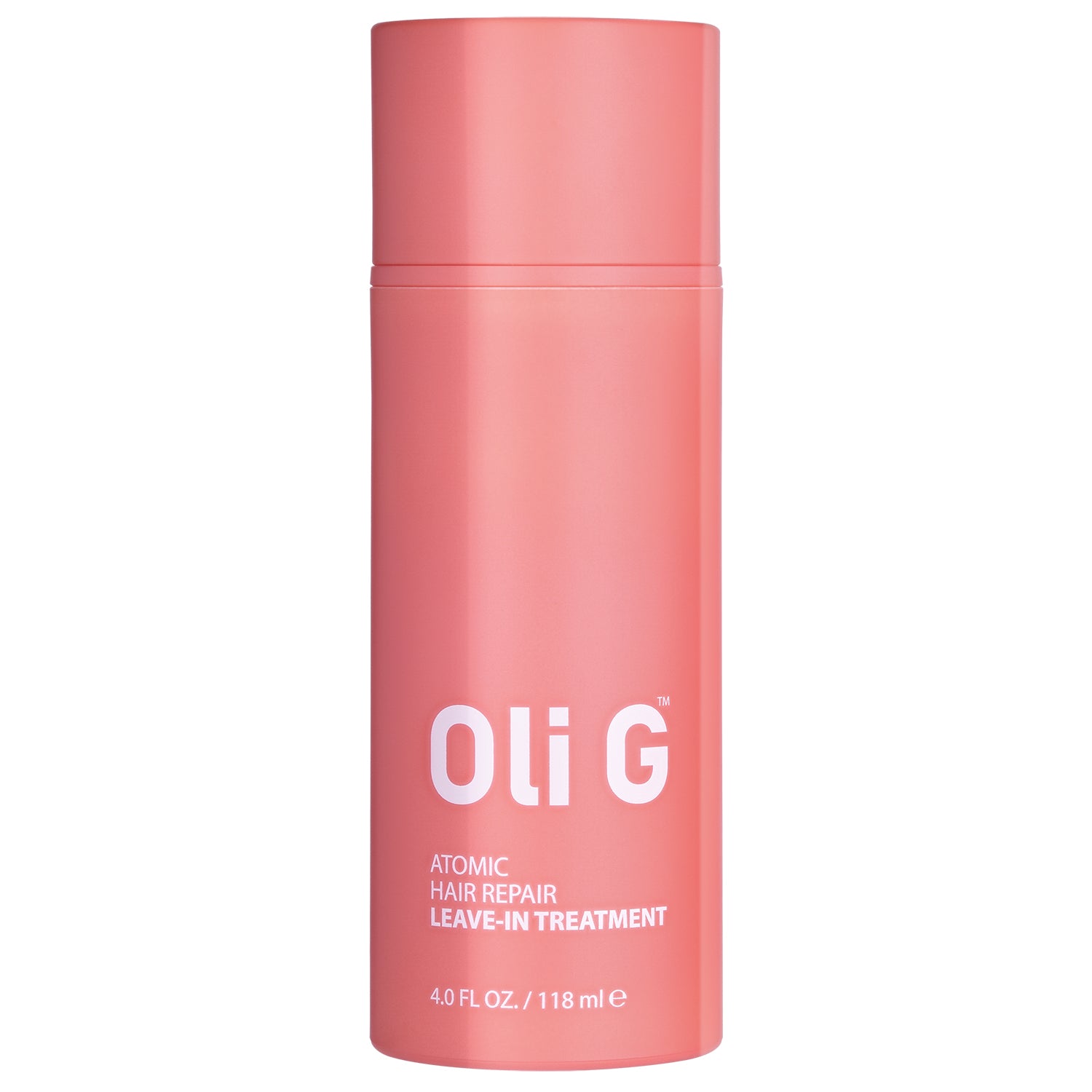
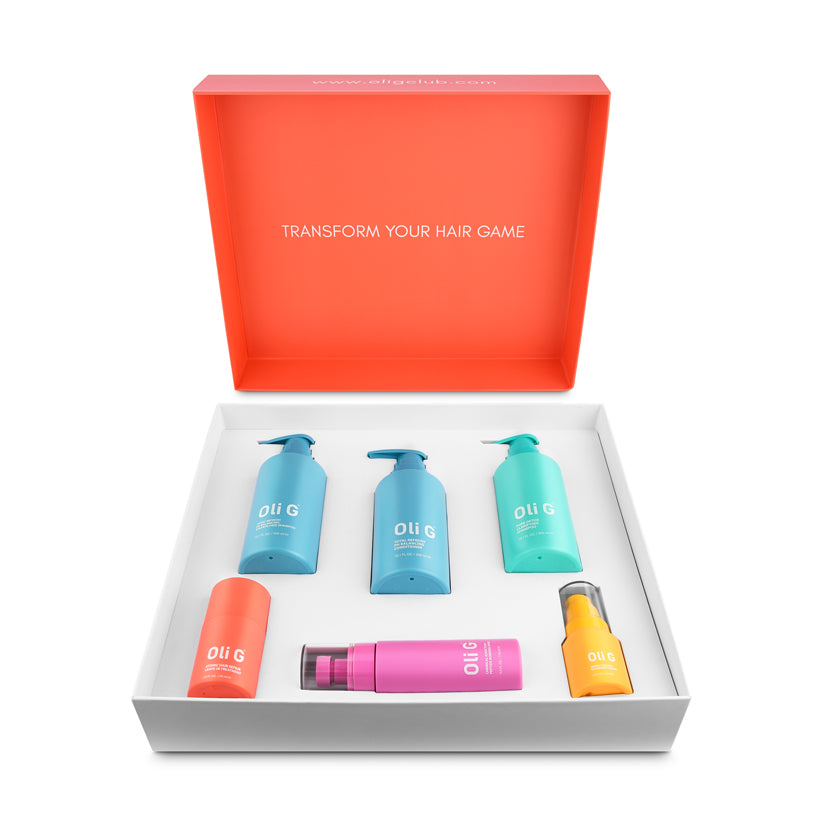
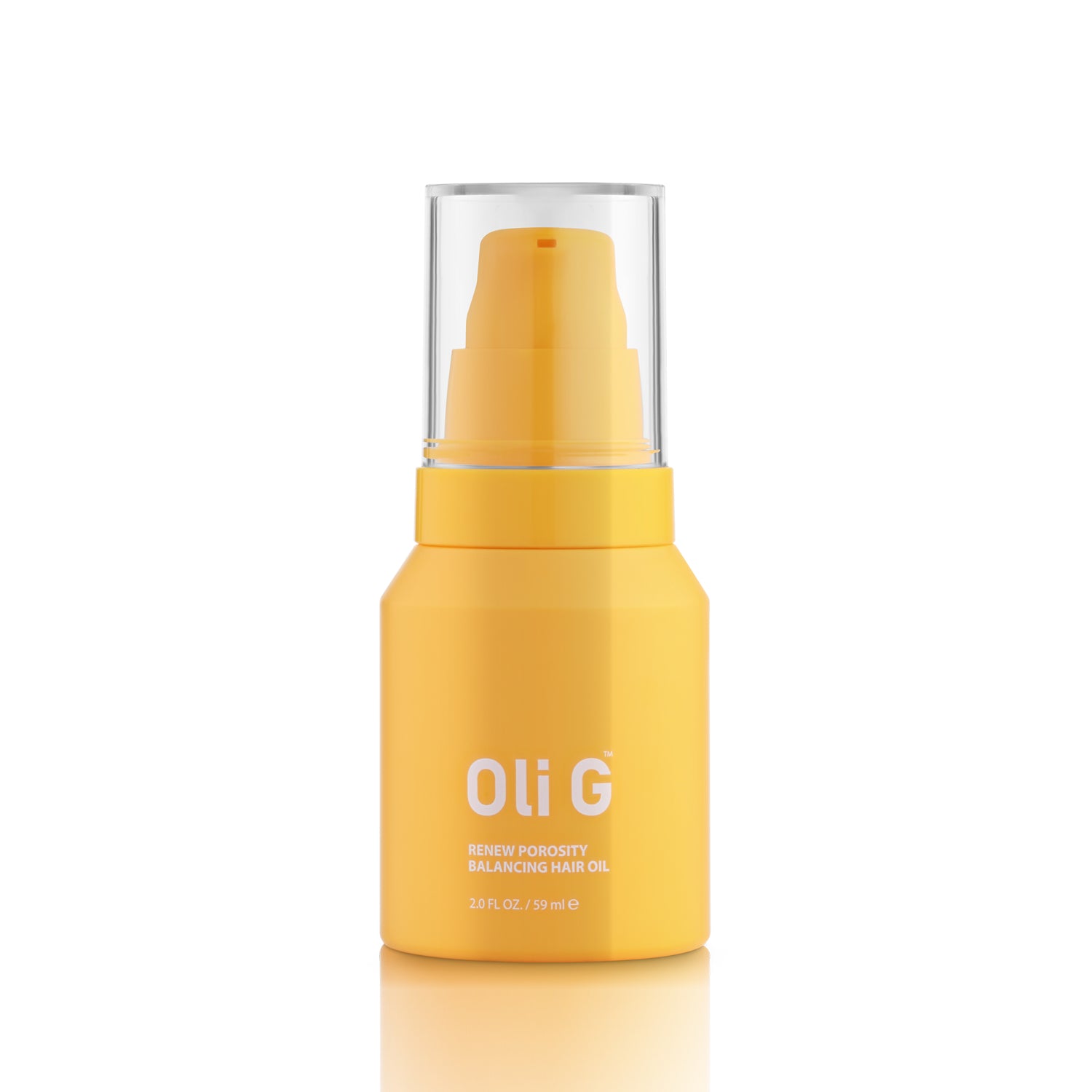
It overlays on top of the daily routine — 04 Balance with the Total Refresh duo on wash days, 05 Restore with Atomic on damp hair every wash, 03 Nourish with Renew on the ends. Chemical Addiction sits in front of any styling session that involves heat. See the Tuesday, Thursday, and Friday "if using heat tools" entries in How to Build a Weekly Cadence for how it slots into a normal week.
For color-treated hair, this step compounds harder than for any other audience. Heat is one of the four mechanisms of color fade, and the strand that's already structurally compromised by color service has less margin for additional damage. (See Color-Treated Hair: A Five-Step System That Actually Holds for the full picture.)
The thirty-second summary
Heat above 215°F denatures disulfide bonds. Most heat tools run at twice that. Silicone protectants slow heat transfer but don't fully prevent the denaturation. Peptide bonding sprays — applied to damp hair, before heat, with a brief absorb window — bind into the strand and reinforce the bonds at the structural level the heat is attacking. Different mechanism, different ceiling.
02 Protect exists because the rest of the routine's compounding work — daily peptide deposits at 05 Restore, weekly intensive at AquaLush, pH baseline at 04 Balance — can be undone in a single styling session without it.
02 Protect
Chemical Addiction Peptide Bonding Spray — peptide bonding spray for pre-heat application. Damp hair, mist through the lengths, comb, wait, style. The step that keeps the daily peptide work from being undone by a flat iron.