If your hair absorbs everything and holds none of it, you have a specific problem. It has a specific solution.
High-porosity hair is the opposite problem of low-porosity hair, and the routine is almost the inverse. The cuticle is raised — either genetically (some textures, particularly Type 3 and 4, run higher porosity) or because of damage (color, bleach, heat, time). The strand absorbs water and product easily. It also loses them just as easily.
If your routine feels like sand running through your fingers — everything you put in seems to disappear by the next day — you have high-porosity hair. Here's what to do about it.
The signs
The water test. A strand of high-porosity hair sinks immediately when dropped in water. Water rushes in through the open cuticle.
The absorption test. Apply a leave-in conditioner. Does it absorb in seconds? Is the hair dry an hour later? High porosity.
The dry-time test. High-porosity hair air-dries fast. The moisture rushes out as quickly as it rushed in.
The color test. If your salon color fades two shades within a week, your cuticle isn't holding the pigment. That's high porosity.
Why your routine isn't holding
High-porosity hair has plenty of uptake. What it lacks is retention. Every product you apply needs a sealing partner, or it leaves as fast as it arrived. This is the routine that finally gives the strand something to hold onto.
The high-porosity routine
Rule 1: cool water rinses
The opposite of low-porosity advice. Hot water further raises an already-open cuticle. Cool water at the end of the rinse helps the cuticle close — which is how you start retaining moisture.
Rule 2: protein + peptides + sealing, every wash
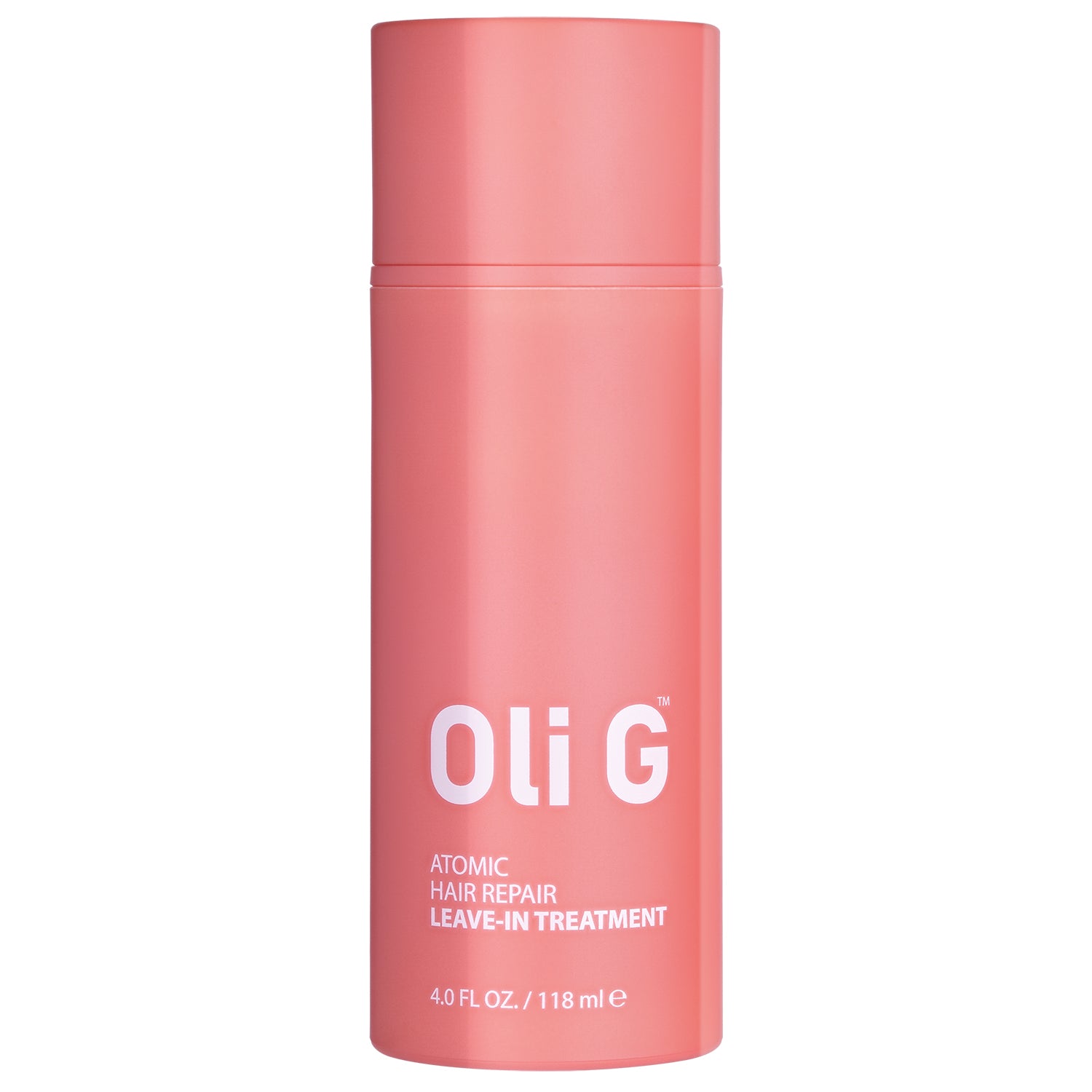
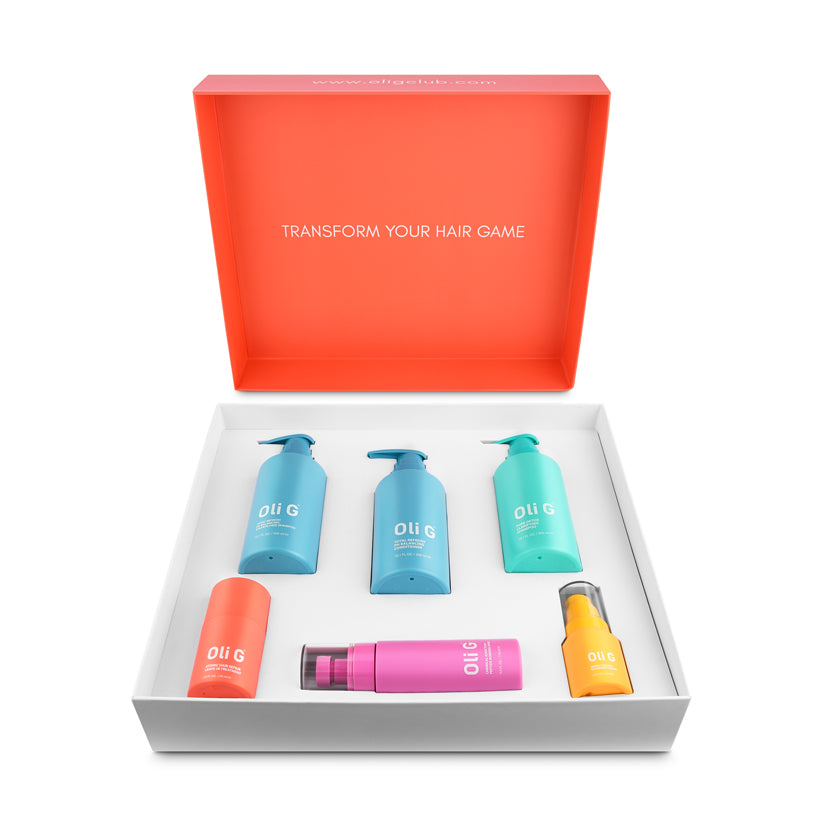
You can't get away with skipping the protein layer when you have high-porosity hair. The cuticle is missing structural integrity. AquaLush Peptide Hair Mask weekly to fill the gaps; Atomic Hair Repair Leave-In daily to maintain.
Rule 3: sealing is non-negotiable
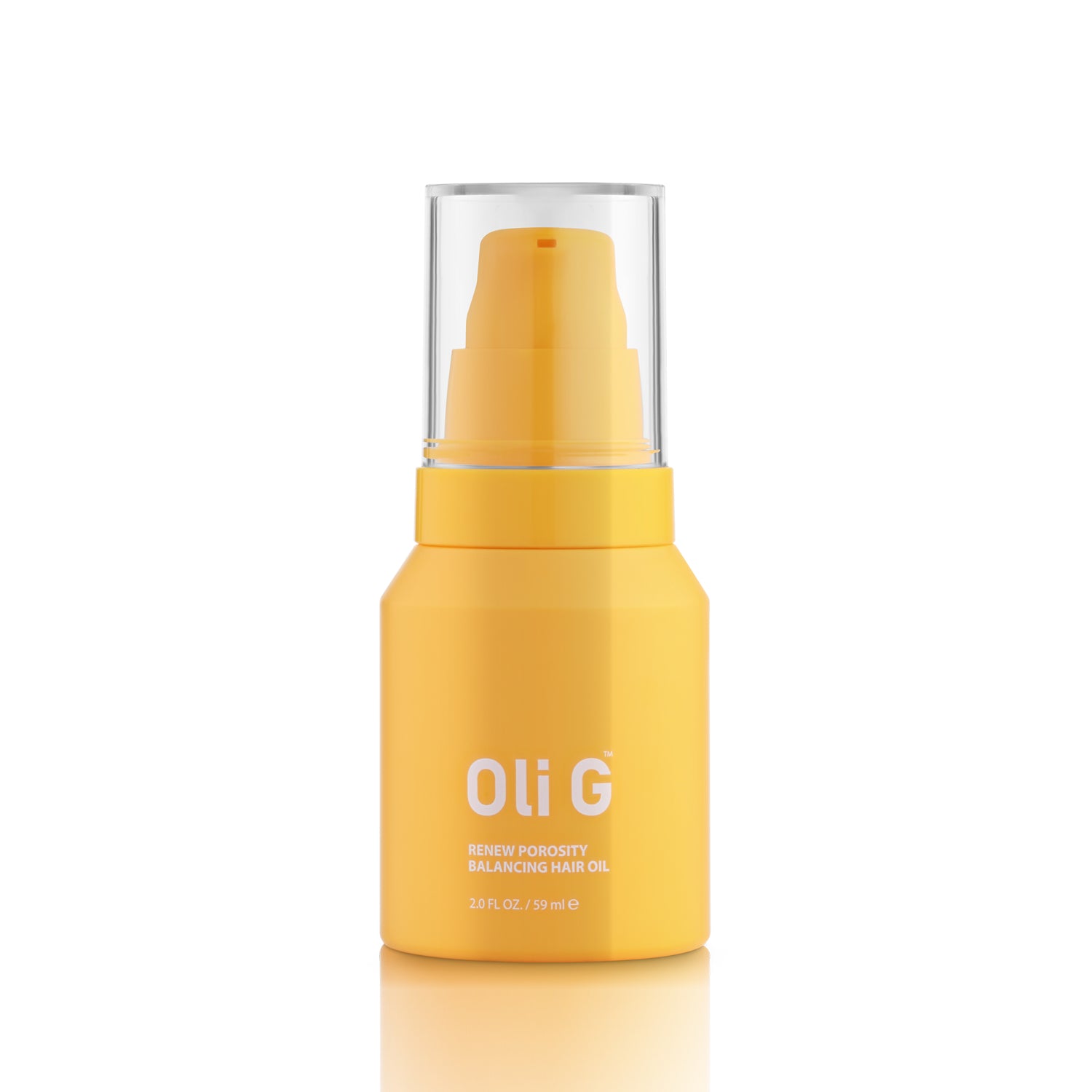
This is the step that changes everything for high-porosity hair. Renew Porosity Balancing Oil after every wash, on damp hair, focused on mid-lengths and ends. The oil lays the cuticle down and keeps the moisture inside.
Skip this step and the entire routine is wasted.
Rule 4: protective styling matters
Buns, braids, and other protective styles aren't just for curly hair. For high-porosity hair of any texture, they reduce mechanical friction and slow the moisture loss that happens between washes.
The acid-rinse trick
One of the most effective single moves for high-porosity hair: an apple cider vinegar rinse, or any acidic rinse, once every two to three weeks. The pH lowering helps the cuticle lay flatter, which improves retention.
Mix one tablespoon ACV with one cup water. After shampoo and conditioner, pour over hair, leave for 30 seconds, rinse. Don't do this every wash — once or twice a month is enough.
If you don't want to deal with the ACV smell, a pH-balanced shampoo and conditioner — like Total Refresh pH Balancing Shampoo and Total Refresh pH Balancing Conditioner — gives you the same kind of effect without the kitchen project.
What's causing your high porosity
Two paths:
Damage-induced. The most common cause. Bleach, permanent color, relaxers, daily heat tools, hard water exposure. The fix is a long-term repair routine plus reducing the source of damage. Two or three years of consistent peptide treatments can meaningfully reduce porosity over time.
Genetic. Some hair is born with a slightly raised cuticle. This is more common in Type 3 and Type 4 textures. The fix is permanent routine adaptation, not "treatment" — your hair will always behave like this, and that's okay.
What to drop
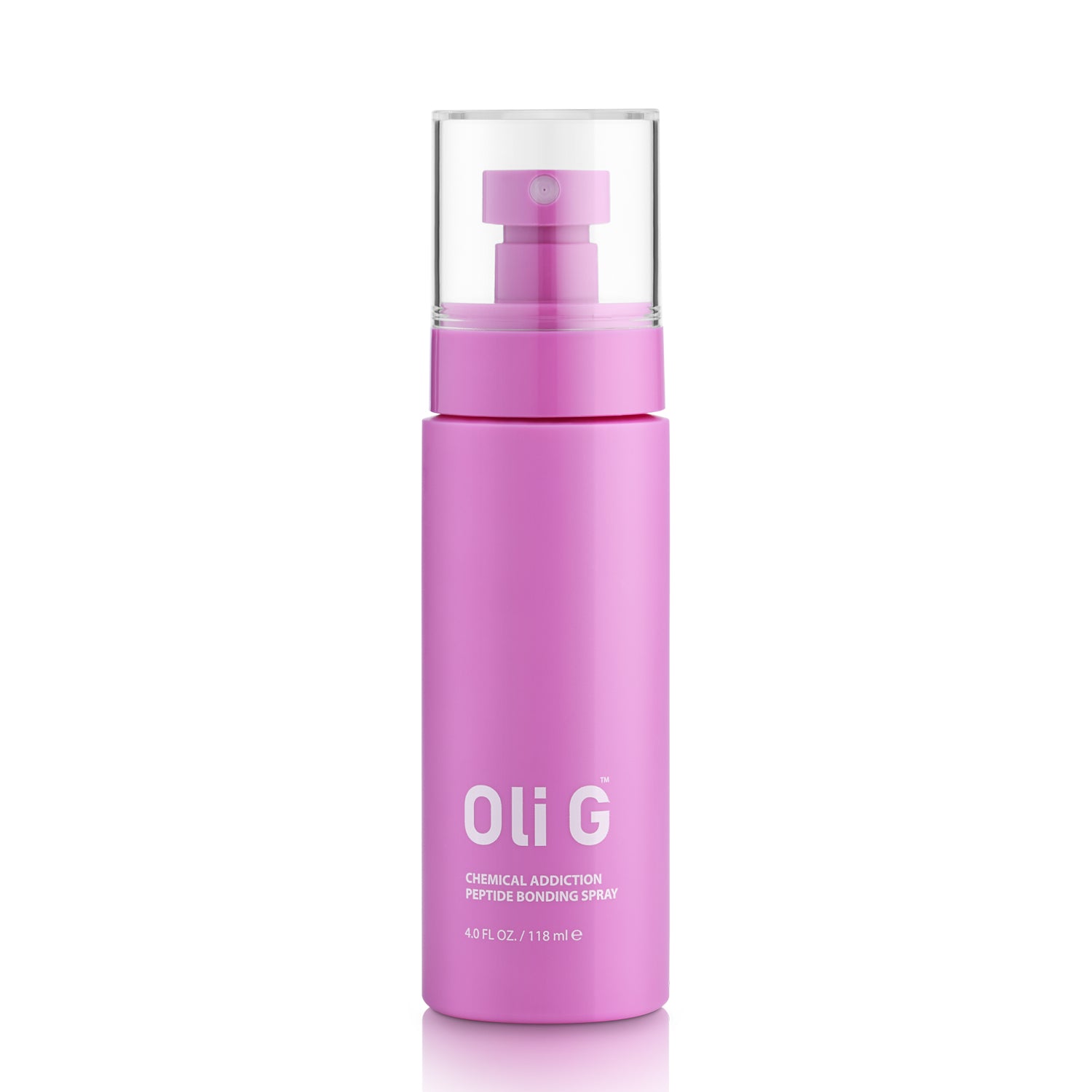
Frequent heat styling without protection. The most reliable way to make high porosity worse. If you use heat tools, always with Chemical Addiction Peptide Bonding Spray as a primer. It's a bonding spray and heat protectant in one.
Hot showers. The cuticle that's already open will open further. Lukewarm wash, cool rinse.
"Lightweight" products without sealing. Light leave-ins are great for fine hair. High-porosity hair needs the lipid layer on top, every wash, no exceptions.
The signs it's working
Within three wash cycles: the hair feels conditioned twelve hours later. Color holds longer. Less frizz in the late afternoon. Less of that "I need to redo my leave-in" feeling.
Within two months: a measurable change in how the strand behaves — more elasticity, less breakage, a finish that doesn't fade by Tuesday.
High porosity is fixable. It just needs the routine that matches the chemistry.