If your conditioner sits on top of your hair like it's beading off, your problem isn't products. It's getting them in.
If you've ever applied a hair mask, waited the full time, rinsed, and felt like absolutely nothing happened — your hair didn't fail. The mask didn't fail. The cuticle is what failed to open. You have low-porosity hair, and you've been treating it like every other porosity, which is why nothing has been working.
Here's what's actually happening and what to use instead.
What porosity is
Porosity describes how readily the hair cuticle opens to let things in and out. The cuticle is the outermost layer of the strand — a series of overlapping scales. When those scales lay flat and tight, the hair is low porosity. When they're slightly raised or damaged, it's medium to high porosity.
Porosity is partly genetic and partly determined by damage. Heat, color, and bleach raise porosity. Time and gentle handling lower it (or at least don't raise it further).
The signs you're low porosity
Run any of these tests on clean dry hair.
The water test. Drop a strand into a glass of water. Low-porosity hair floats. The cuticle is closed enough that water can't get in to weigh it down.
The bead test. Spray water on a section of clean hair. Low-porosity hair beads up like a freshly waxed car. The water rolls off.
The product test. If most products sit on top of your hair, feel like they're not absorbing, leave a slight film, and require a lot of shampoo to remove — you're low porosity.
One symptom isn't enough; two or three together makes it likely.
Why your routine isn't working
Low-porosity hair is paradoxical. It often feels dry — not because moisture is leaving, but because moisture can't get in in the first place. So you apply more hydrating products. They sit on the cuticle. The strand stays dry inside. You apply more product. The buildup compounds. Eventually the hair feels coated, heavy, and still somehow dry.
The fix is not more product. It's getting the cuticle to open enough to let smaller amounts in.
The four-rule low-porosity routine
Rule 1: heat is your friend in the shower
Lukewarm water for the wash, hot water (briefly) when masking. The steam gently lifts the cuticle. This is exactly the opposite of high-porosity advice — and it's why generic "wash with cool water" rules don't work for low-porosity types.
Rule 2: smaller molecules penetrate better
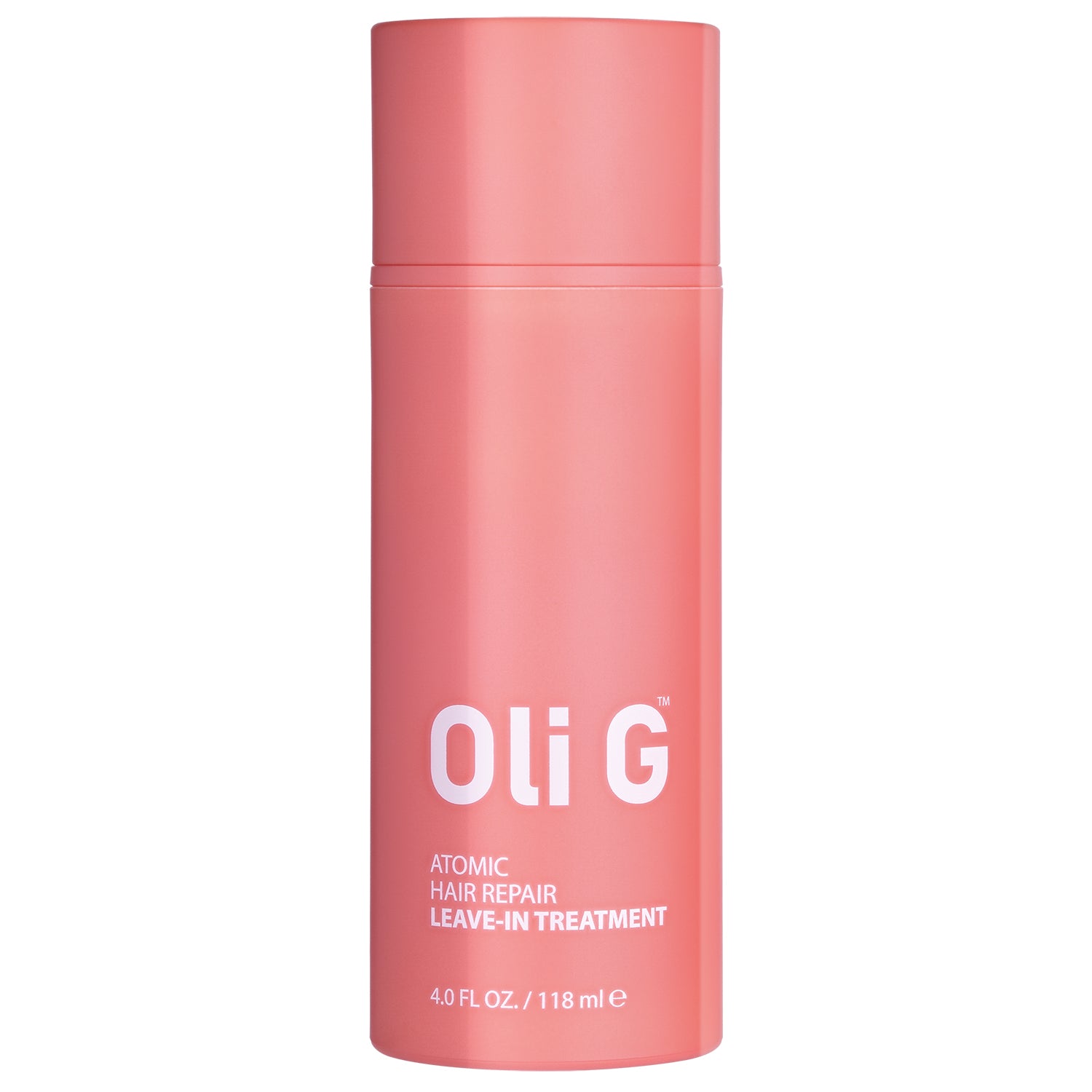
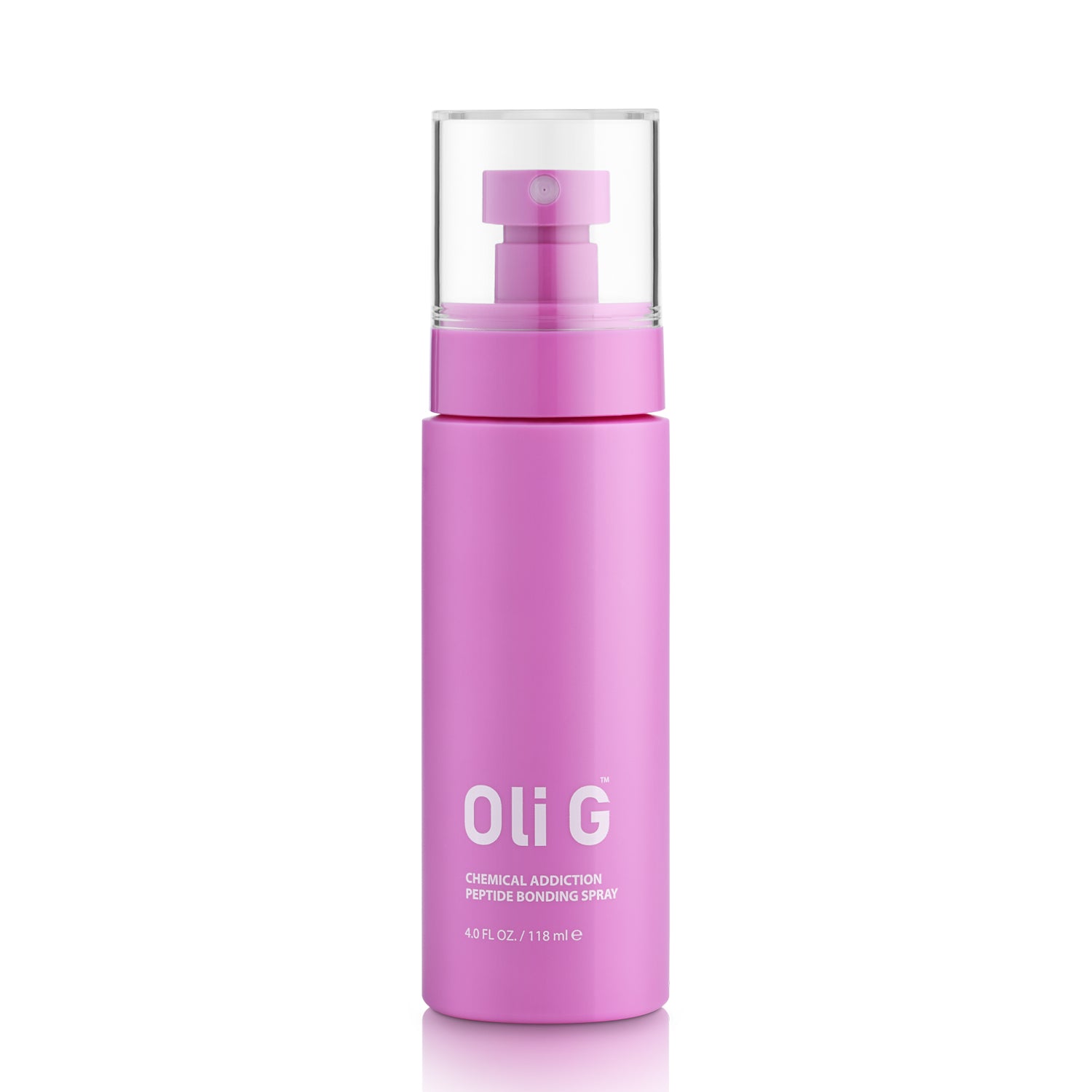
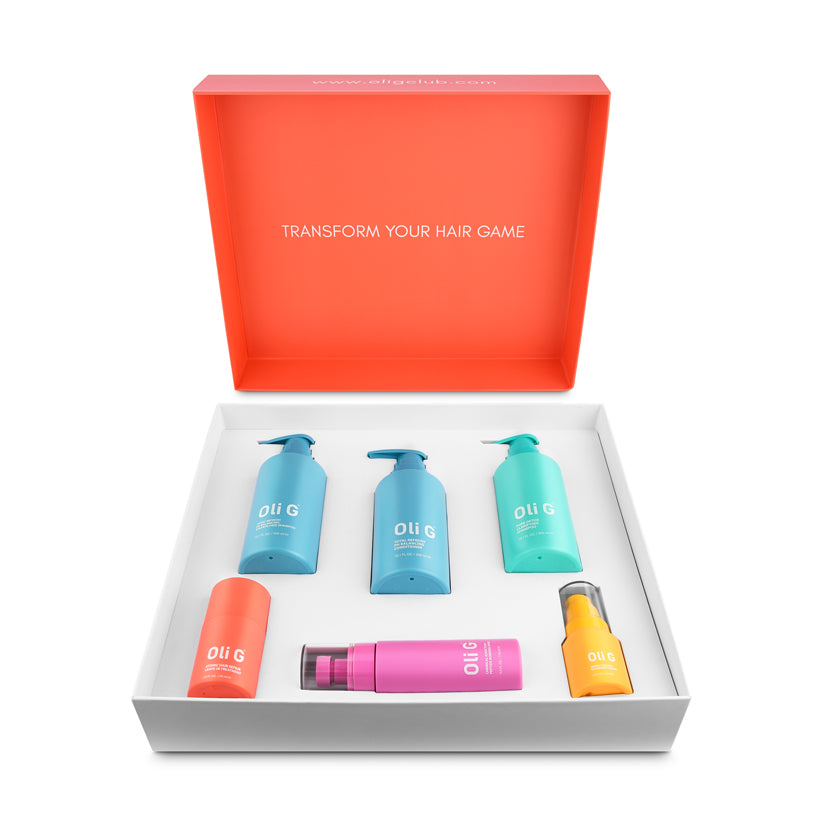
Peptides over large hydrolyzed proteins. Atomic Hair Repair Leave-In and AquaLush Peptide Hair Mask are both peptide-based, with smaller molecules that can get past the closed cuticle. Heavy hydrolyzed wheat protein, in contrast, will mostly stay on the surface and contribute to buildup.
Rule 3: clarify more often than you think
Low-porosity hair holds onto product residue. Every two weeks with Pure Detox Clarifying Shampoo is normal. Once a week if you're a heavy product user. Without regular clarifying, the buildup eventually blocks even the products that could penetrate.
Rule 4: leave-in on damp hair, not dry
Apply Atomic when the hair is still damp from the shower. The cuticle is slightly more open at this state than when fully dry. You'll get much better absorption than spraying leave-in on dry day-three hair.
What to avoid
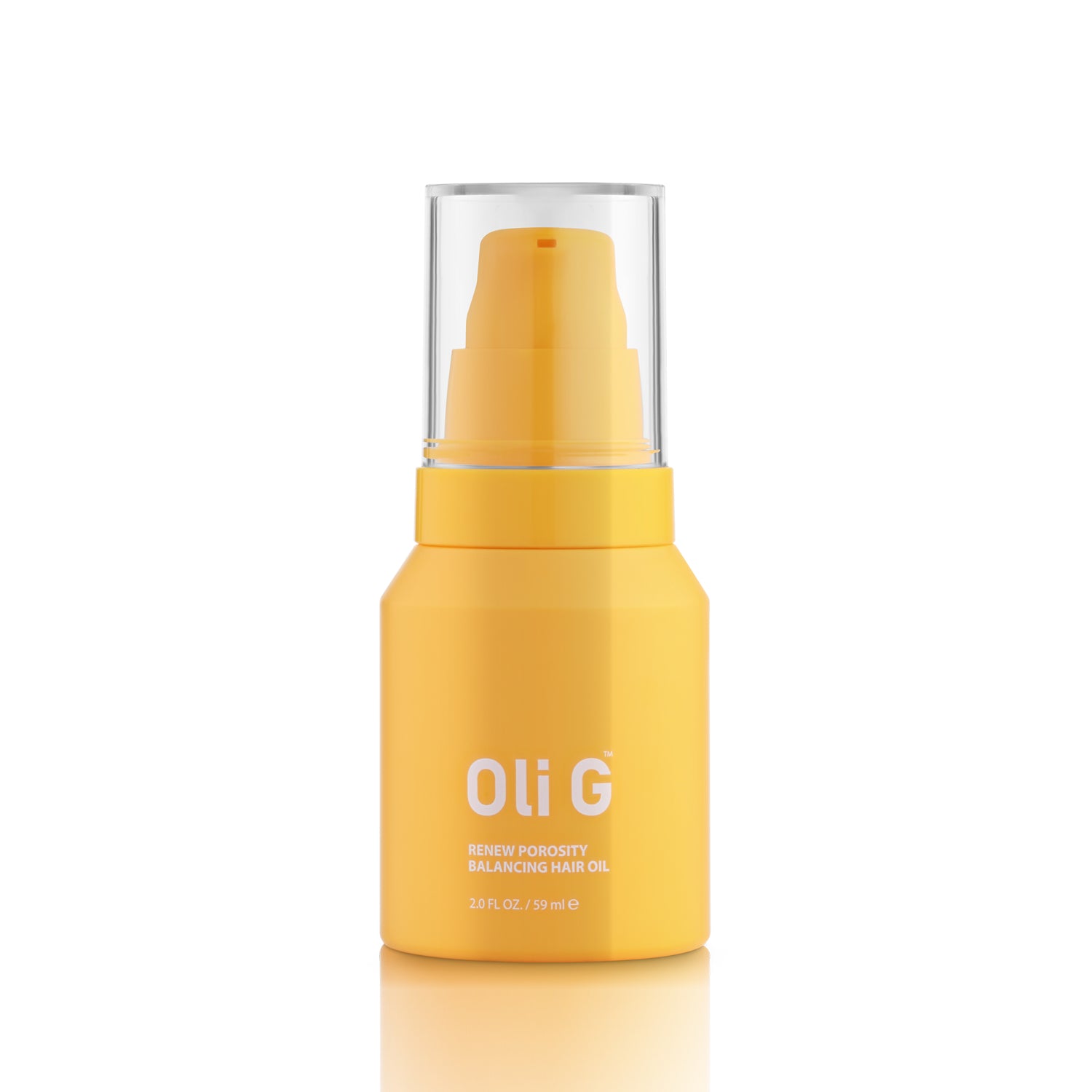
Heavy oils as a first product. Coconut oil, castor oil, and similar applied to dry low-porosity hair just coat the surface. Build up. Block.
Protein overload. Counterintuitive — because you'd think low porosity needs more help. But heavy proteins stack on the cuticle and make the surface even less permeable. Stick with peptides.
"Hydrating sprays" with no penetrating ingredients. If the product is mostly water and humectants, on low-porosity hair, it'll sit and evaporate. You need carriers and penetrants — that's what peptides give you.
The signs it's working
Within two to three wash cycles: products absorb visibly instead of sitting. The hair feels softer at the strand level, not just on the surface. Less buildup between washes. Fewer "my hair feels coated" days.
Low porosity isn't a problem. It's a specification. Once you treat it as one, the hair responds quickly.