Two words people use interchangeably. Two completely different fixes. Here's how to tell them apart, and what to reach for when.
Your hair feels dry. You buy a "hydrating" mask. You apply it. Two weeks later your hair feels worse — drier, frizzier, somehow more brittle. What happened?
You probably gave your hair more of what it already had enough of, and none of what it actually needed. The words moisture and hydration get used as if they're the same thing. They aren't, and the difference matters in your hands every wash.
The distinction in one sentence
Hydration is water. Moisture is the oils and lipids that keep that water from leaving. Your hair needs both, but it needs them in balance — and the symptoms of being short on one look almost identical to the symptoms of being short on the other.
How to tell which one you're missing
The fastest test is the porosity-and-stretch check, and you can do it in your bathroom right now.
Take a clean, dry strand and pull it gently between your fingers.
- If it snaps quickly with little stretch: you are short on hydration. The strand is brittle because it doesn't have enough water bound inside it.
- If it stretches and stretches and then doesn't bounce back: you are short on protein and likely overloaded with hydration. The strand is stretchy because the structural proteins are compromised.
- If it stretches a little and bounces back: your balance is healthy.
The second test is simpler: pour a small amount of water on a clean dry section. If it beads up and rolls off, your cuticle is closed and the strand is low-porosity — your problem is probably getting moisture in. If the water absorbs immediately and the hair feels heavy seconds later, your cuticle is open and porous — your problem is probably keeping moisture in.
What "hydration" products actually do
Hydrating ingredients bind water. Glycerin, panthenol, hyaluronic acid, and aloe are the main ones. They either pull water in from the air or hold water already inside the strand. They are humectants — they love water.
When they work: dry hair that drinks them up and feels softer immediately.
When they don't: extreme humidity (they pull in too much water and make hair fuzzy), or extreme dryness (they pull water out of the hair into the air, making it worse).
What "moisture" products actually do
Moisturizing ingredients are lipids — oils, butters, fatty alcohols, ceramides. They don't add water to the strand. They seal water in by coating the cuticle and reducing transepidermal water loss.
When they work: porous, color-treated, or chemically processed hair that loses water quickly. Curly and coily hair, which is structurally more prone to dryness because the natural scalp oils have a harder time traveling down the strand.
When they don't: fine, low-porosity hair, where heavy oils can sit on the surface and weigh the strand down without ever penetrating.
The order: hydration first, moisture second
There's a phrase in the curly hair community — "water-based products before oil-based products" — that captures the right sequence for almost everyone. You hydrate first (add the water), then you moisturize (seal it in). The reverse doesn't work: oil on dry hair just coats the dryness in place.
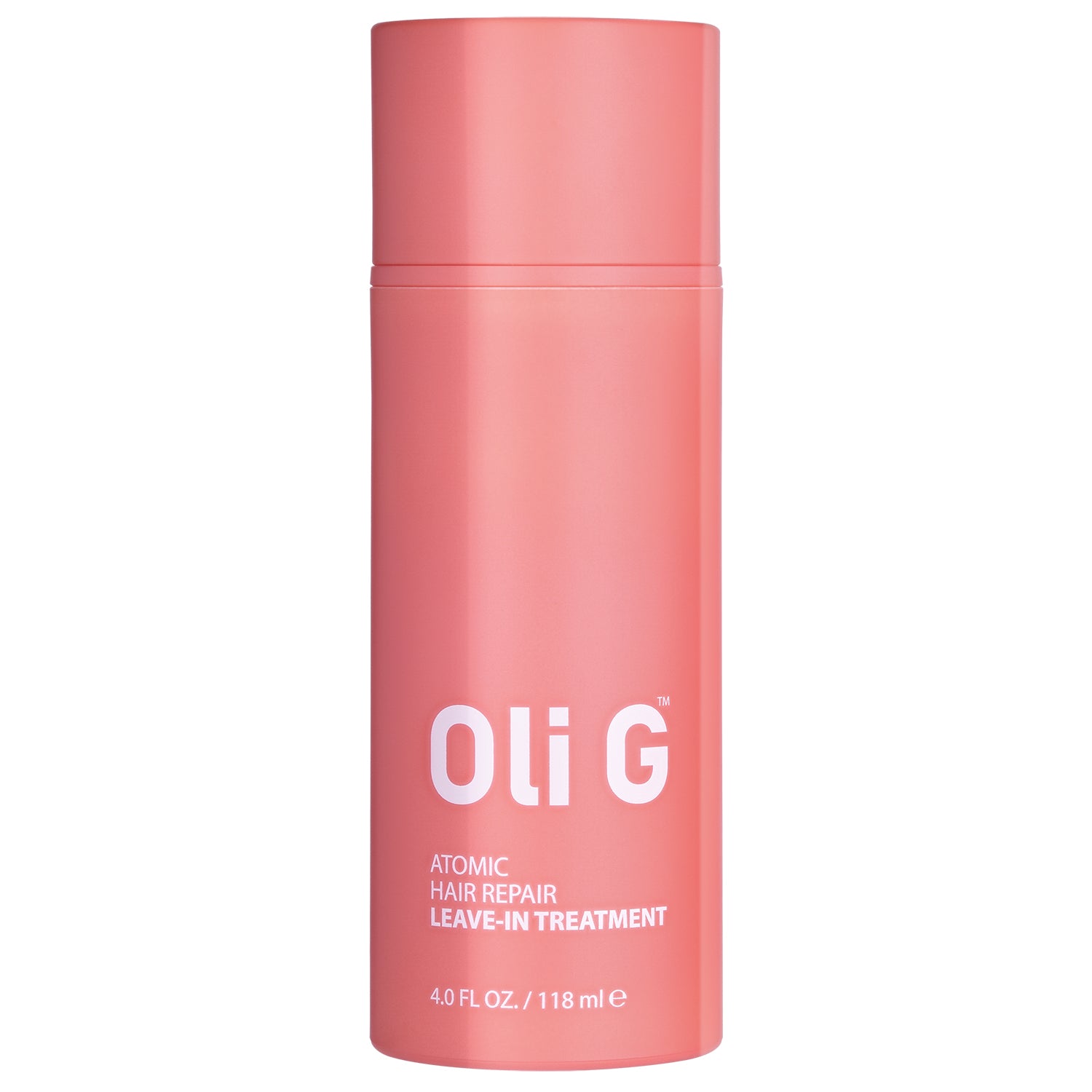
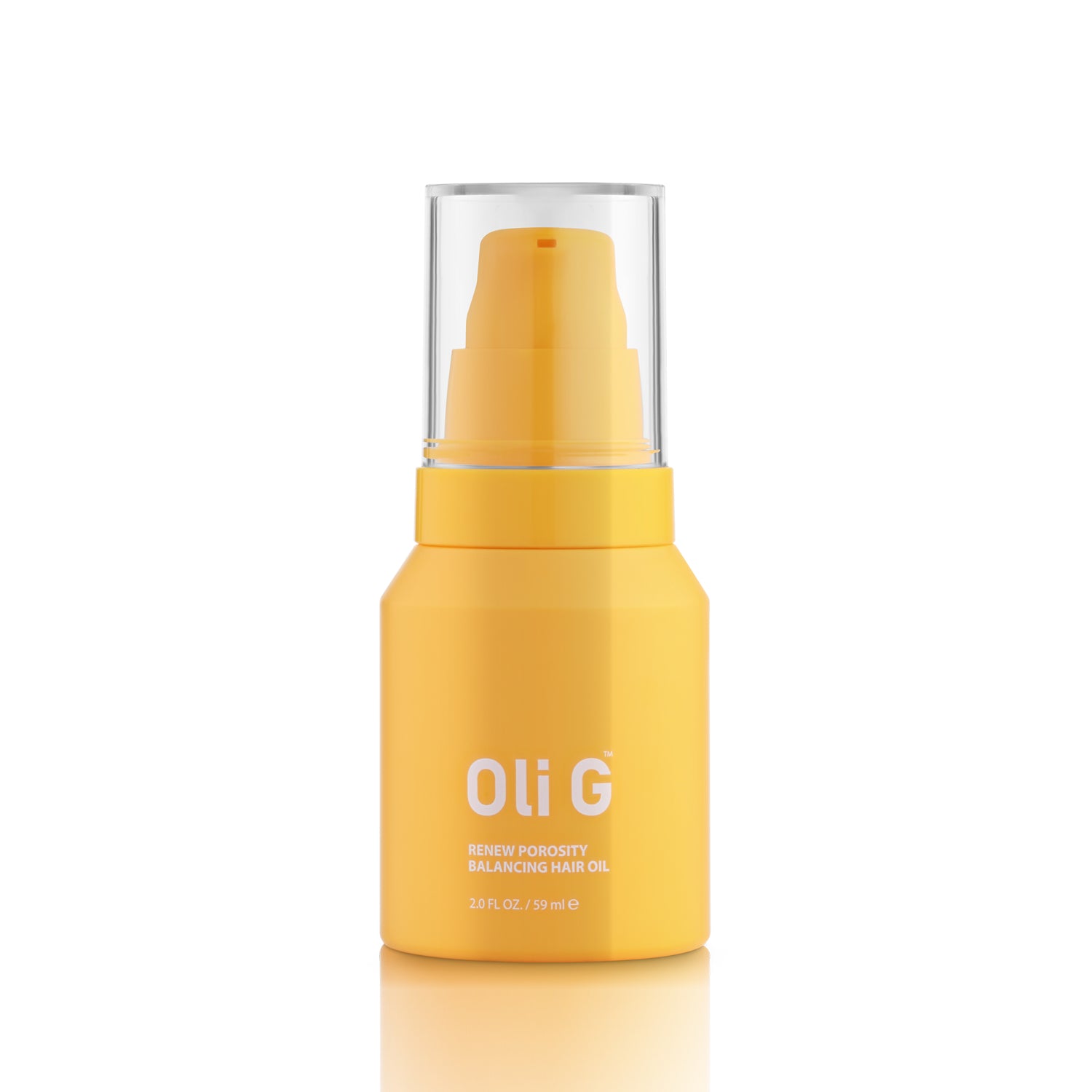
This is why our standard routine is AquaLush Peptide Hair Mask (water-based peptide mask, in the shower) followed by Atomic Hair Repair Leave-In (peptide leave-in that bridges hydration and repair) and a finishing few drops of Renew Porosity Balancing Oil (the lipid seal). Hydration, then bridge, then moisture.
What balance looks like
You'll know you have it when your hair is shiny without being greasy, soft without being stretchy, has bounce without being frizzy, and looks the same on day three as it did on day one. That's not a marketing claim — it's the physical state of a strand that has the right ratio of water to lipid to protein.
If you've been chasing the same problem for months and nothing is working, run the porosity test. There's a good chance you've been buying for the wrong category. Once you switch, the change is fast — usually visible inside two wash cycles.