Breakage isn't one problem. It's at least four. Fixing the wrong one is why your routine hasn't been working.
"My hair is breaking" is one of the most common complaints we hear at the chair. It's also one of the least specific. Breakage isn't a single problem — it's a symptom that can come from at least four very different sources. The routine that fixes one of those sources usually doesn't touch the other three.
Here's how to figure out which version of breakage you actually have, and what to do about each.
Type 1: chemical breakage
What it looks like: hair that breaks mid-shaft when stretched. Especially the ends. Often accompanied by a "stretchy when wet" texture that doesn't bounce back. Mostly seen on color-treated, lightened, or relaxed hair.
What caused it: too many disulfide bonds broken by chemical service. The strand has lost structural integrity from the inside.
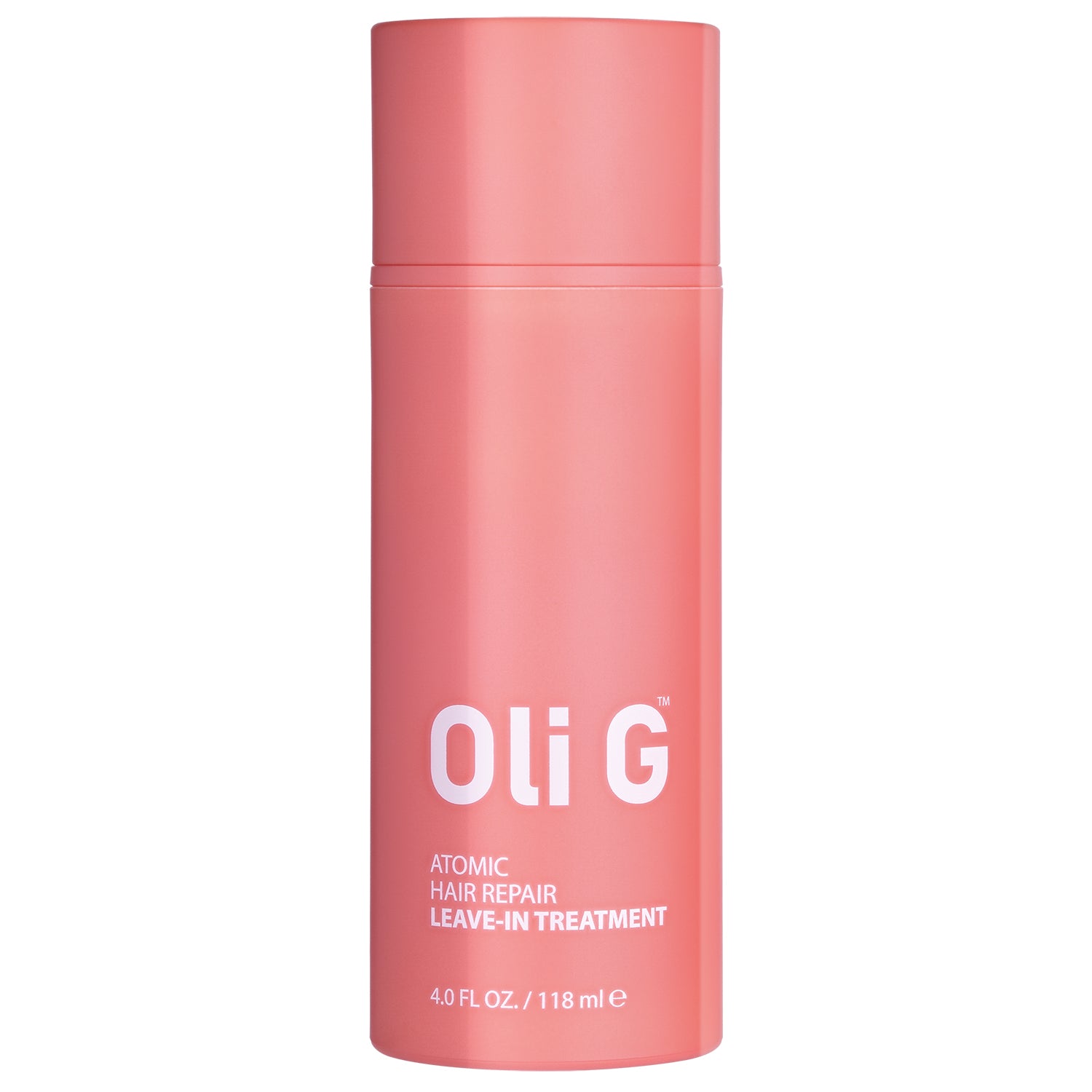
What fixes it: a true bond builder (in-chair, mixed into the chemical), followed by daily peptide repair. Atomic Hair Repair Leave-In on damp hair every wash. AquaLush Peptide Hair Mask weekly. Time. Chemical breakage doesn't heal overnight — it takes 2–3 months of consistent treatment.
Type 2: mechanical breakage
What it looks like: hair that snaps when brushed, especially when dry. Short pieces visible on your shoulders and shirt. Usually shorter than your hair length — often 1 to 3 inches.
What caused it: rough handling. Brushing wet hair the wrong way. Tight ponytails in the same spot every day. Cotton pillowcases. Aggressive towel-drying. The strand itself may be healthy — it's being broken by friction.
What fixes it: stop the source. Wide-tooth comb (or our Oli G Detangling Brush) only, always from ends up. Microfiber or t-shirt instead of cotton towels. Silk pillowcase. Move where you tie your ponytail. Within two weeks the new breakage stops; the existing short pieces grow out over time.
Type 3: heat breakage
What it looks like: dry, brittle ends that crumble rather than snap. Often paired with a sandpaper-rough texture when you run your fingers through. Concentrated at the bottom three inches of hair where heat tools spend the most time.
What caused it: flat irons, curling irons, blow-drying without protection, or any heat tool used over 350°F repeatedly.
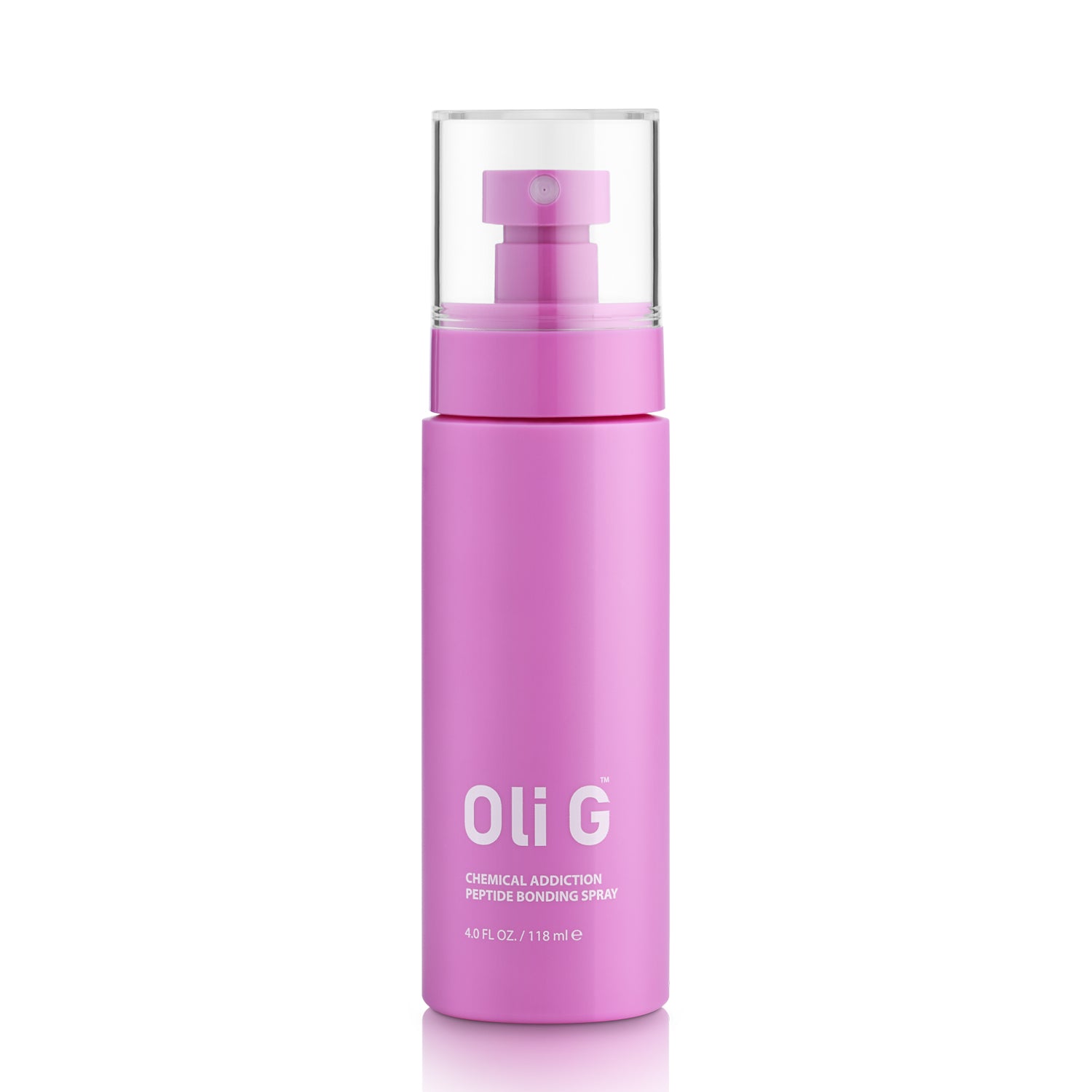
What fixes it: heat protection on every heat application — Chemical Addiction Peptide Bonding Spray is a peptide bonding spray that doubles as a heat protectant up to 450°F. Lower the temperature on your tools by 25–50°F (most styling happens fine at 320°F). Cut the damaged ends — there's no product that brings back hair that's been heat-fried. Then prevention.
Type 4: nutritional/hormonal breakage
What it looks like: diffuse breakage all over, often with shedding. Hair feels weaker overall. Sometimes paired with brittle nails or skin changes.
What caused it: nutritional deficiency (iron, protein, biotin, vitamin D), hormonal shift (postpartum, perimenopause, thyroid), recent illness, major stress, or a medication change.
What fixes it: not topical. This is the breakage that no shampoo can solve. See a doctor and get a blood panel — iron, ferritin, vitamin D, thyroid, full CBC. Address the underlying cause. Hair grows three to six months behind the body, so improvements take time to show up.
While you wait, support the existing hair with the gentlest possible routine: peptide leave-in, no heat, no chemical services, silk pillowcase.
How to figure out which type you have
Try this triage in order:
1. Where on the strand is it breaking? Ends only → likely heat. Mid-shaft → likely chemical. Anywhere on the strand, including roots → likely mechanical or nutritional.
2. Wet stretch test. Take a wet strand and pull. If it stretches a lot before snapping → chemical (protein loss). If it snaps quickly → likely mechanical, heat, or nutritional.
3. Recent history. Recent color service → chemical is suspect. Recent change in heat tool usage → heat. No change in routine but breakage started → nutritional or hormonal.
4. Other body signs. Brittle nails, dry skin, fatigue → see a doctor. This is body-wide, not hair-only.
What to do this week
While you're figuring out the type:
- Switch to a peptide leave-in (Atomic) — works on every breakage type without making any worse
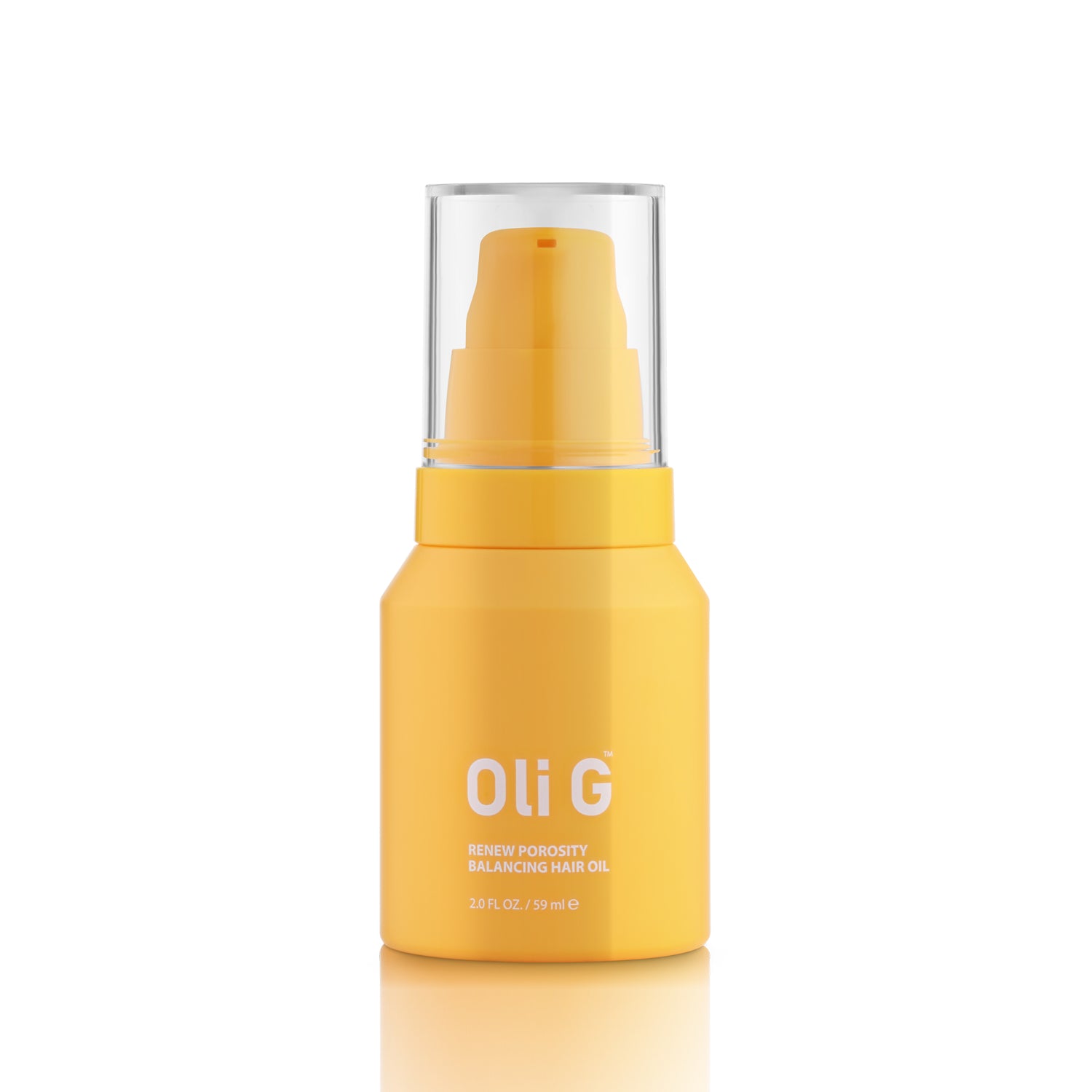
- Add a sealing oil (Renew Porosity Balancing Oil) at the ends
- Switch to a silk pillowcase
- Stop heat-styling for two weeks
- Get a blood panel if you suspect type 4
By the time you've identified the type, you've already started the universal fix. Then dial in the specifics.
Breakage is almost always fixable. The hard part is identifying which one you have.