
Three months postpartum, your hair starts coming out in handfuls. Here's what's happening, what to do, and when it stops.
Around three months postpartum, the hair starts coming out. Not in normal amounts. In clumps. On the brush, in the shower drain, in your baby's hands, all over the pillow. By month four it can feel like you're losing your hair. By month six it gets worse before it gets better.
This is one of the most distressing experiences for a new parent who already has a lot going on, and almost nobody warns you about it. So: here's what's happening, what's normal, what to do, and when it stops.
What's actually happening
During pregnancy, elevated estrogen extends the growth phase of every hair follicle. The hair you normally would have shed during those nine months stays in place. By the third trimester, most people have noticeably thicker, more lustrous hair than they had before.
After delivery, estrogen drops sharply. The follicles that had been held in the growth phase all shift, more or less at once, into the shedding phase. Three to four months later — that's the time the shedding phase takes to complete — the hair that was held in place during pregnancy falls out together.
This is called telogen effluvium. It's a normal physiological response, not damage, not a deficiency, not anything you caused. Nearly half of postpartum people experience it noticeably; up to 90 percent experience it to some degree.
What's normal
Normal postpartum shedding:
- Starts somewhere between 6 weeks and 4 months postpartum
- Peaks at 4 to 6 months
- Resolves by 9 to 12 months
- Affects the hair you already had — you're not losing hair you wouldn't have lost anyway; it's just bunched together
- May leave you with visibly thinner hair around the hairline (the "postpartum bangs" that grow back as short, wispy regrowth around month 8-10)
- Is not accompanied by other symptoms like dramatic fatigue, weight changes, or skin changes
What's not normal — and when to see a doctor
Postpartum shedding is normal. Several other things that can happen postpartum are not, and they sometimes get lumped in together. See your doctor if you notice:
- Shedding that's still increasing past 6 months postpartum
- Bald patches or distinct circular areas of hair loss
- Hair loss accompanied by extreme fatigue, cold intolerance, dry skin, weight changes — these can signal postpartum thyroiditis, which is common (5-10 percent of new parents) and very treatable
- Iron deficiency symptoms (severe fatigue, lightheadedness, brittle nails)
- Hair loss that hasn't started to slow by 8 months
- Significant hair loss with no postpartum shed pattern (loss at the crown, scalp visible at the part, etc.)
A basic blood panel — ferritin, iron, vitamin D, full thyroid panel, complete blood count — is the first step. Postpartum bodies are often depleted in nutrients that support hair growth, and addressing those deficiencies can make a real difference.
What to do during the shed
What works
Protect what's there. Postpartum hair is going through a lot. Be gentle. Silk pillowcase. Wide-tooth comb only. No tight ponytails. Detangle with conditioner in.
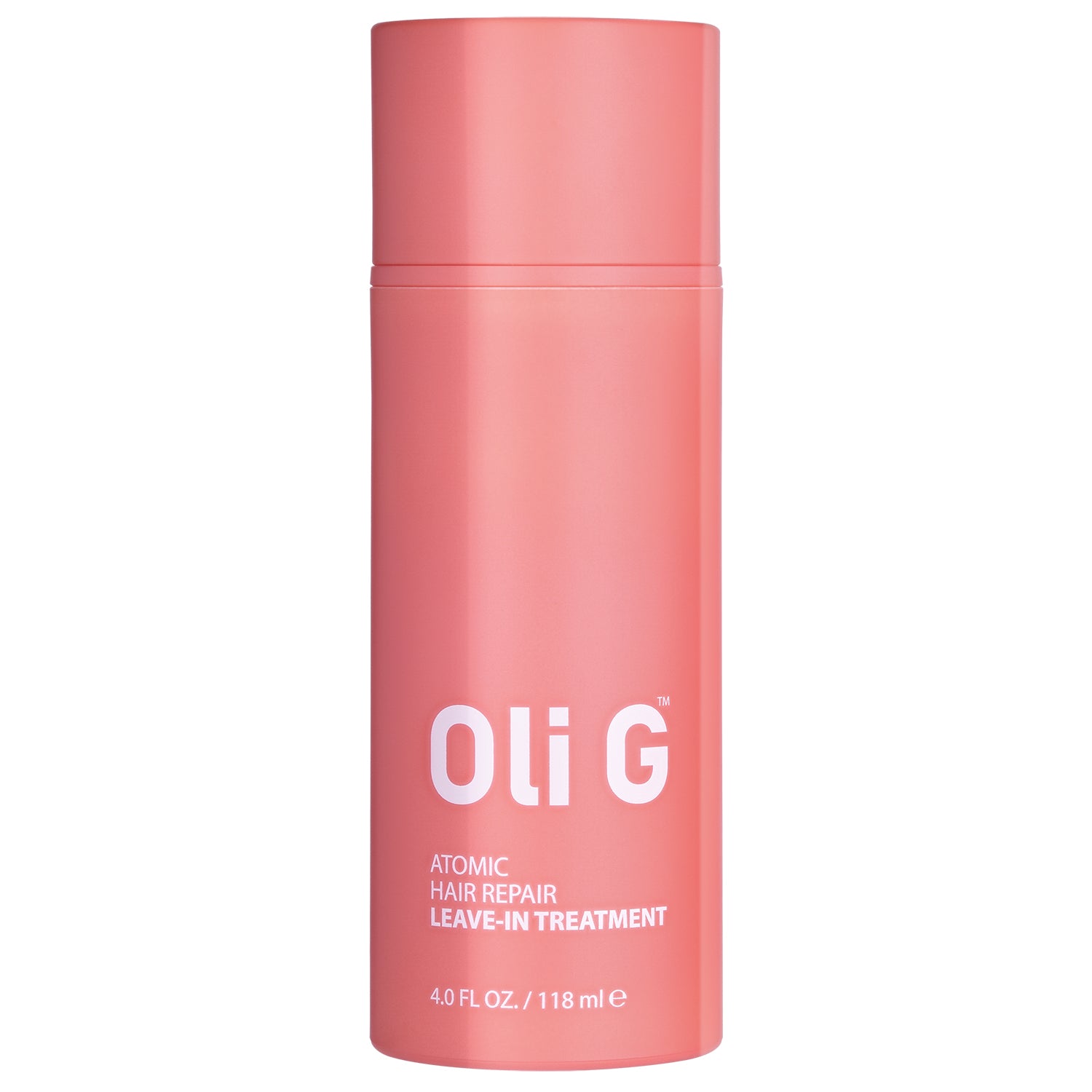
Support the regrowth. The new hair coming in around month 8-10 is delicate. Atomic Hair Repair Leave-In on damp hair every wash supports the strand structure of both the existing hair and the regrowth without weighing it down.
Scalp circulation. A two-minute scalp massage with our Oli G Scalp Brush, every day or two, on dry hair. There's modest evidence it supports follicle health and meaningful evidence it feels good when you're stressed.
Eat enough. Postpartum nutrition gets neglected. Protein, iron-rich foods, leafy greens, omega-3s. If you're breastfeeding, your body is prioritizing milk production over hair growth — supporting overall nutrition supports both.
Cut, if it helps mentally. Many new parents find a shorter cut during the shed both practically easier (less to manage, less hair on the baby) and emotionally easier (the appearance of thinness is less obvious when there's less length to compare against the new growth).
What doesn't work
Most "hair growth" supplements. Biotin in particular is widely sold for this and is rarely the actual problem. Biotin deficiency is uncommon; supplementing won't help unless you're deficient (your doctor can test). Other hair vitamin blends are mostly multivitamins with marketing.
Minoxidil during breastfeeding. Not advised during breastfeeding (consult your doctor before starting any medication postpartum).
Heavy, supposedly "hair-growth-promoting" oils on the scalp. Castor oil, rosemary oil packs, etc. Most of the evidence is anecdotal, and on an already-stressed scalp they can contribute to buildup and irritation.
Panicking. Easier said than done. But it's almost always going to resolve on its own. The hair will come back.
The regrowth phase
Around month 8-10, you'll start seeing it: short, wispy new hair, often at the hairline and crown. These "postpartum bangs" are a good sign — they're the new growth coming in. They take six to eighteen months to grow into a length that integrates with the rest of your hair.
During this phase, the new hair is fragile and easy to break. Gentle handling, peptide leave-in to support the structure, and patience are the routine. Some people use light styling products or accessories (clips, headbands, smoothing products that contain a little hold) to manage the in-between phase. That's fine, just use lightweight products on the new growth.
What to remember
Almost everyone who experiences postpartum shedding returns to their pre-pregnancy hair density by the time their child is around one year old. The hair you had before is the hair you'll have after. The middle part is just the middle part.
You're not losing your hair. You're losing hair that should have been gone months ago. That's a very different thing.