The two categories everyone is conflating
Walk down the haircare aisle at Sephora or Ulta in 2026 and most damage-repair products fall into one of two technology families:
- Bond builders — usually centered on Olaplex's bis-aminopropyl diglycol dimaleate, or maleic acid analogs.
- Peptide repair — K18's patented peptide, or oligopeptide systems like Oli G's.
The brands often blur the line. Marketing copy uses "bond repair" interchangeably with "peptide repair" because both sound similar. They aren't. They work on different molecules inside the hair, and they solve different problems.
Here's what each one actually does.
What bond builders do
Hair fibers are held together by several types of chemical bonds. The strongest are disulfide bonds — covalent links between cysteine amino acids on adjacent keratin chains. Disulfide bonds are what give hair its shape, its tensile strength, and its ability to hold curl or straightness through chemical and heat treatments.
When you bleach, perm, or relax hair, you deliberately break disulfide bonds to restructure the fiber. The problem: not all the broken bonds reform when the service is over. Some stay broken. That's the structural damage you feel.
Bond builders work by re-linking broken disulfide bonds. The Olaplex mechanism (bis-aminopropyl diglycol dimaleate) targets these specifically. Maleic acid–based products work similarly.
Best for: Hair that's been through major chemical lifting (bleach to platinum, color corrections, frequent perms).
Limitation: Bond builders address one mechanism — disulfide reconnection. They don't repair the protein chains themselves, replace lost lipids, or rebuild the cortex's amino acid profile.
What peptide repair does
Peptide repair works on a different mechanism: polypeptide chain damage in the keratin matrix.
Damaged hair doesn't just have broken disulfide bonds. It also has broken polypeptide chains — the long protein backbones that disulfide bonds connect to. When the chains themselves are damaged (by heat, oxidative stress, or repeated chemical service), they need repair, not just reconnection.
Peptides — short amino acid chains — enter the cortex and bind to broken keratin sites. They reinforce the chain structure from within.
Best for: Hair with cumulative damage — bleach plus color plus daily heat plus chemical services. The slow accumulation of structural protein damage that bond builders alone can't fully address.
Limitation: Peptide repair doesn't reconnect disulfide bonds directly. For severe acute disulfide damage (a chemical service that went too far), bond builders are still relevant.
Should you use both?
For severely damaged hair, yes. Bond builders address one type of damage; peptides address another. They don't compete; they cover different structural problems.
Many stylists working on heavily processed hair sequence both: bond builder during or after the chemical service, peptide system for daily maintenance.
For moderate damage (bleach highlights, occasional color, daily heat), a peptide system on its own typically does enough. The cumulative deposit week over week addresses most of what daily life takes out of the hair.
Where Oli G fits
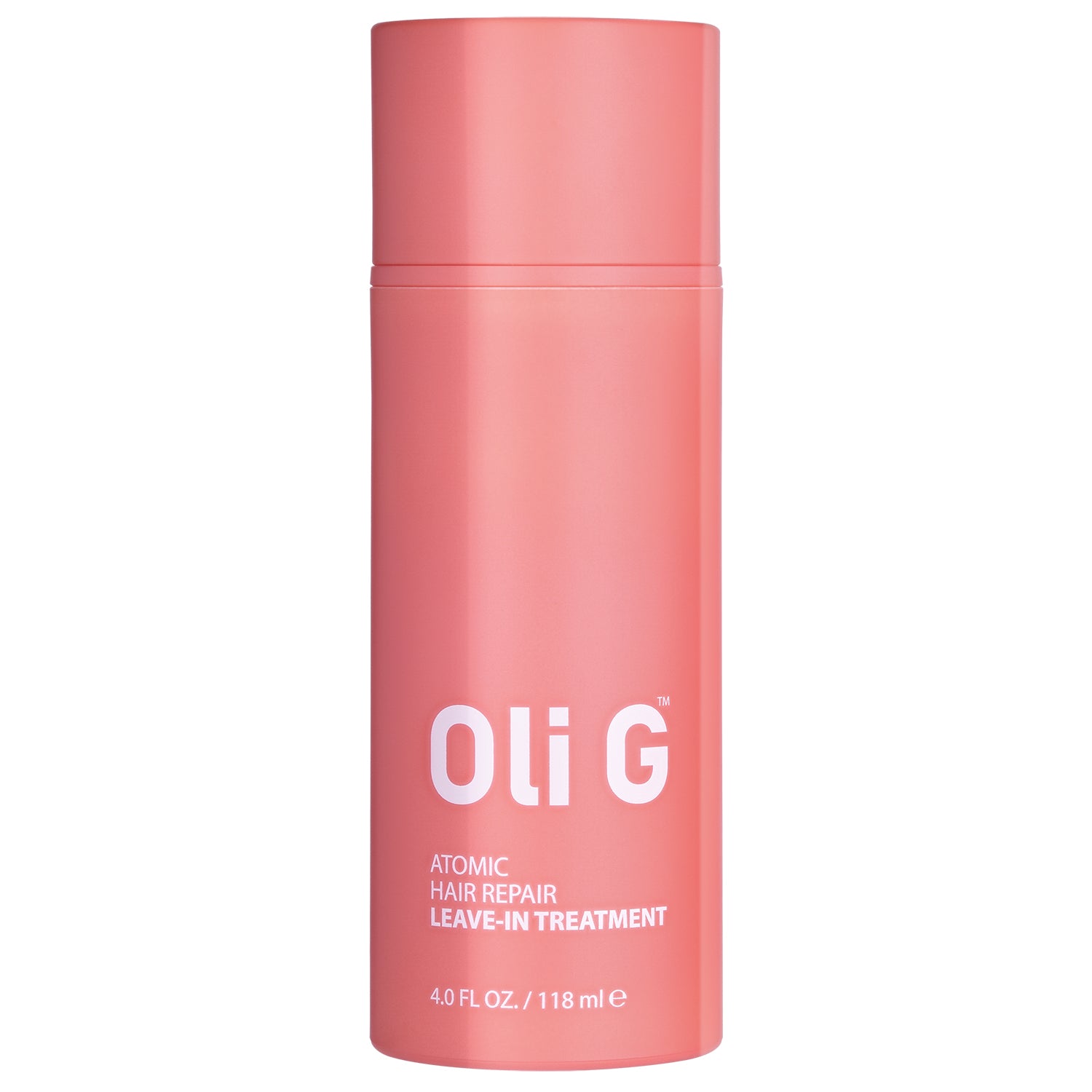
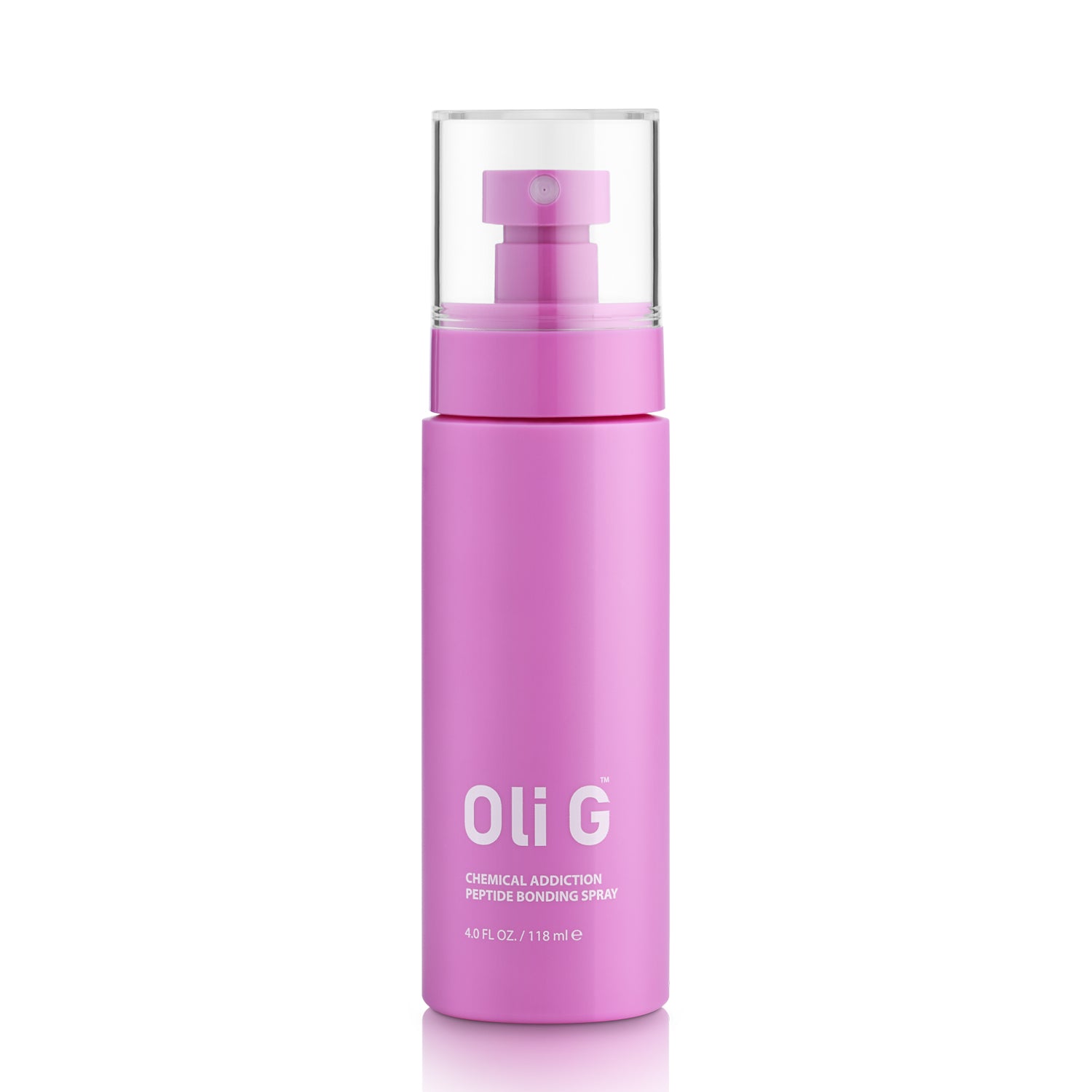
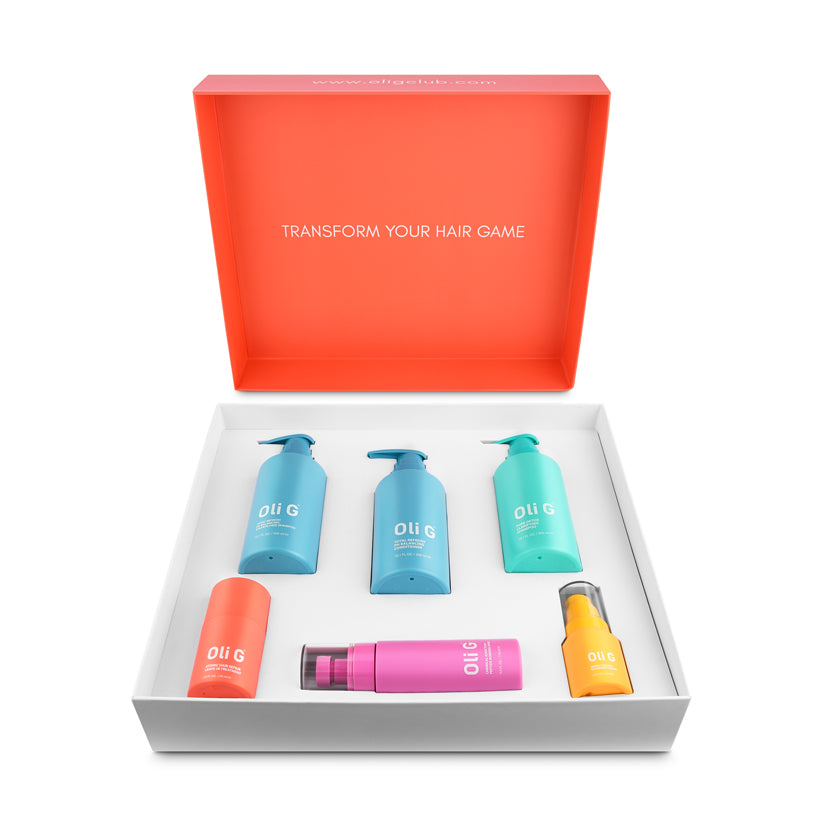
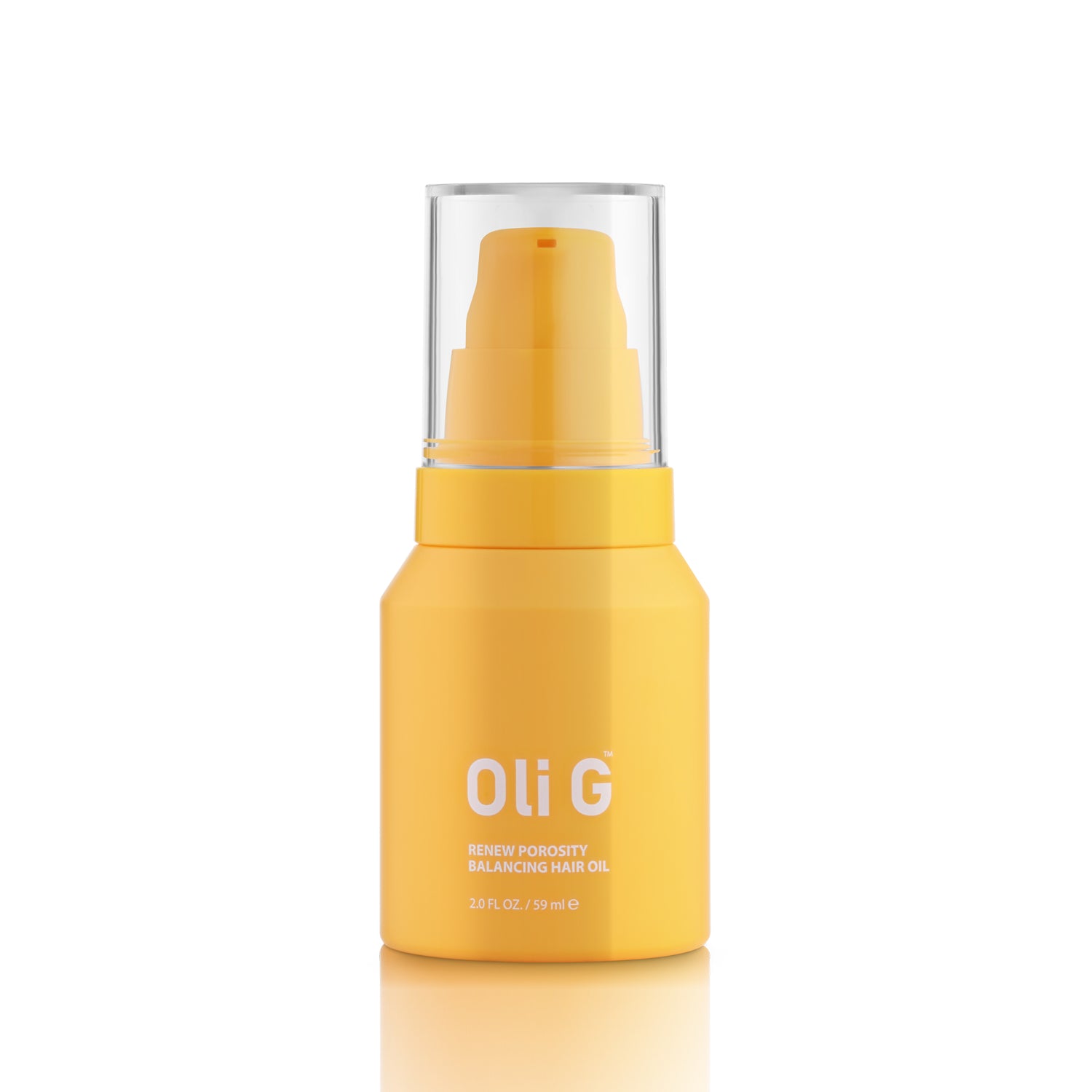
Oli G is a peptide-system brand. Our seven products are built around a dual peptide system (SH-Oligopeptide-78 + Biotinoyl Tripeptide-1), a 10-amino-acid complex, a silicon-bonded plant protein, and a five-stage pH cycle that opens the cuticle for peptide deposit, then closes it for sealing.
We're not a bond builder. We don't compete with Olaplex No. 3 — we complement it. If you've had a major chemical service, use a bond builder during recovery, then use peptides for maintenance.
If you're managing daily wear, cumulative bleach, color, and heat, a peptide system handles most of what you need without the rest periods and treatment protocols bond builders require.
How to know which (or both) is for you
Choose bond builders if:
- You've just had a major chemical service (double-process bleach, relaxer, perm)
- Your hair feels acutely fragile or has visible breakage from a recent service
- You're in the immediate recovery period (first 4–6 weeks post-service)
Choose peptide repair if:
- You want daily damage maintenance, not just acute treatment
- You're managing cumulative damage from color, heat, or chemical services over time
- You want a system you can use every wash without rest periods or service-waiting windows
- You want strengthening that compounds week over week
Choose both if you have severely damaged hair or you're undergoing frequent chemical services. They work on different mechanisms and don't interfere.
Shop the Oli G system → | Read about oligopeptides → | Read the full Science →