Why Type 4 hair needs a different recovery protocol
Type 4 hair — coily and kinky textures, including 4A, 4B, and 4C patterns — has structural properties that change what bleach actually does to the fiber:
- Higher natural porosity at the cortex. Type 4 hair lifts and absorbs faster than straight or wavy hair. Bleach lifts faster too — meaning even short processing times can do significant cuticle damage.
- Lower sebum migration from scalp to ends. The coil structure slows sebum's travel down the shaft. The ends are already further from the body's natural lipid supply before any chemical service touches them.
- Higher mechanical fragility post-service. Bleach removes lipid and protein from the cortex; in Type 4 hair, this can compound with the natural fragility coil patterns experience.
- Cumulative chemical history matters more. If hair has been relaxed, color-treated, or texturized in the past, the bleach is operating on already-modified protein structure — meaning more damage, faster.
Generic post-bleach repair products don't account for these. They're often formulated for the volume buyer — straight to wavy hair with relatively low porosity. They under-deliver on Type 4.
What a Type 4–appropriate post-bleach routine has to do
Three jobs, in order:
- Replace lost lipids. The cortex needs oil. Not surface coating — actual lipid restoration.
- Deposit peptides into the open cortex. Bleached cuticle is permanently raised; peptides enter easily but also escape easily. The deposit needs to be daily, not weekly.
- Hydrate aggressively. Bleached Type 4 hair will drink water and amino acids faster than it loses them in the immediate post-service window. Use the demand.
The window for fastest recovery is 0–6 weeks post-service. That's when consistent daily input compounds most.
The Oli G post-bleach Type 4 protocol
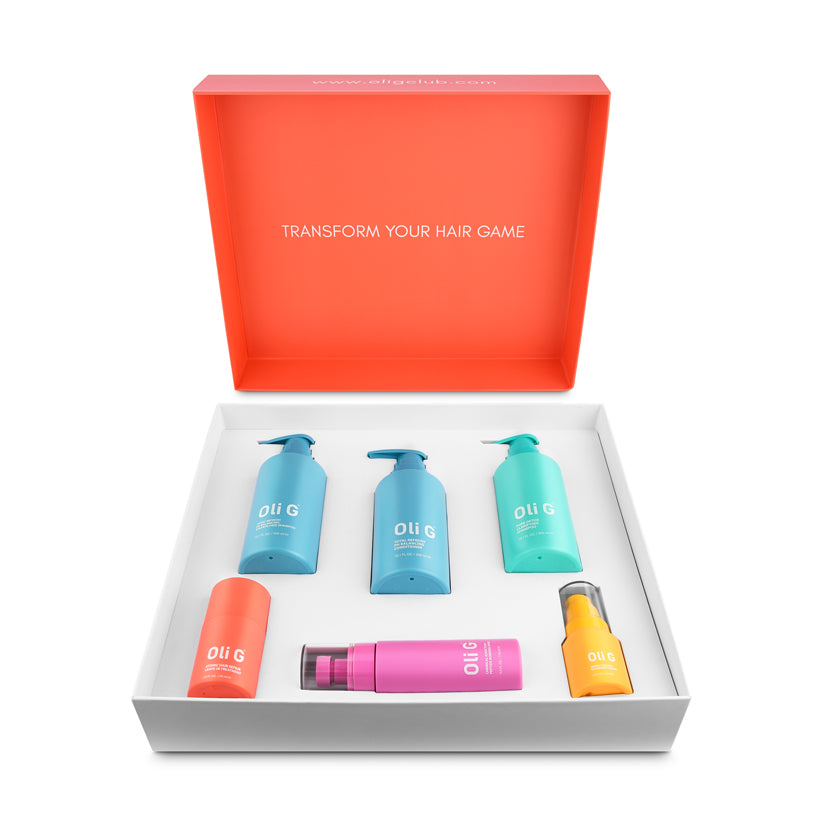
This is the protocol our stylists use behind the chair and at home. Every product mentioned is part of the seven-product system.
Day of service
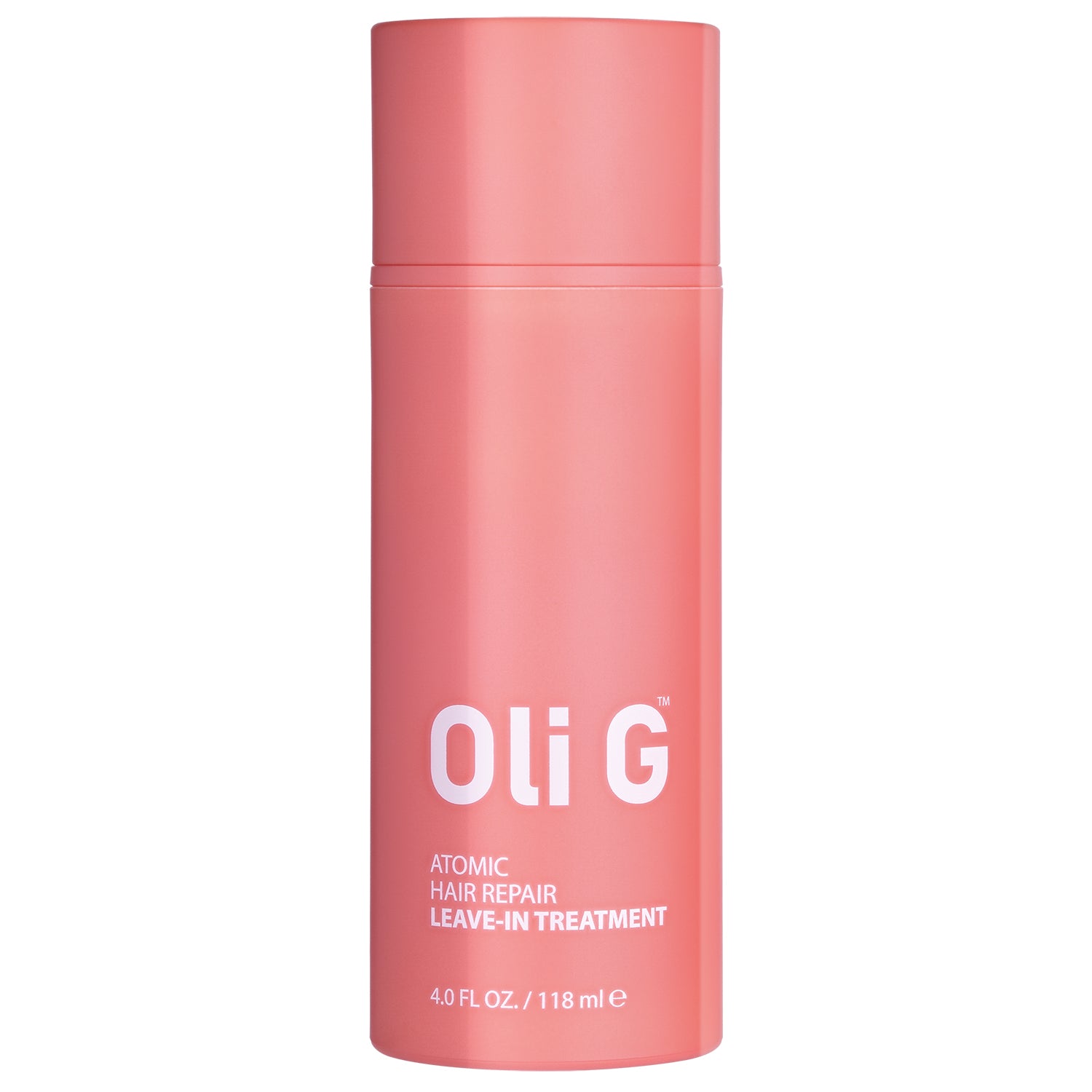
Atomic Hair Repair Leave-In on damp hair. Not the next day — same day. Two to three pumps, depending on hair length and density, applied root to tip on damp, towel-dried hair. Comb through.
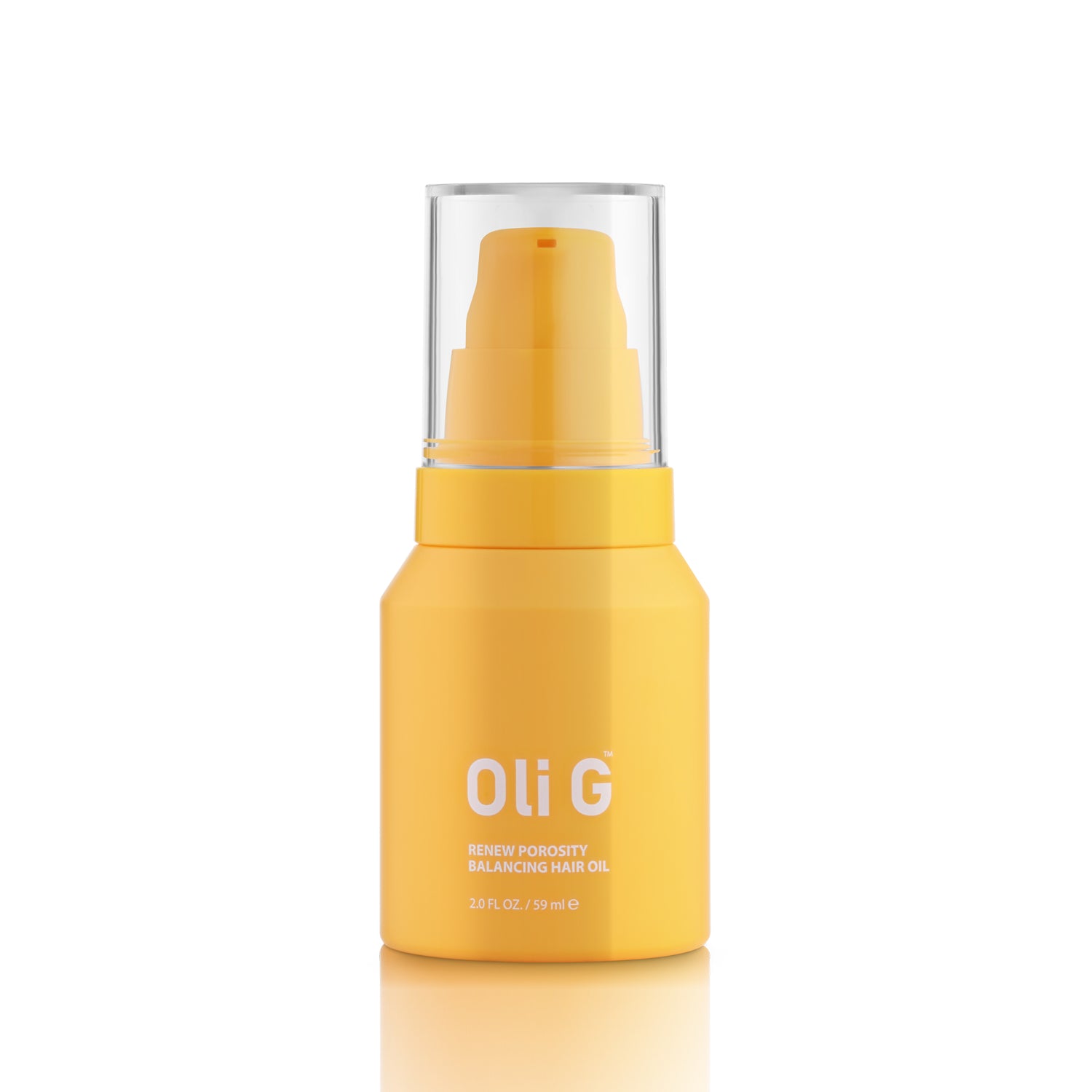
Renew Porosity Balancing Oil on mid-lengths and ends. Two to four drops, focused on ends. Jojoba (the closest plant analog to scalp sebum) is the active here — restoring the lipid layer bleach just stripped.
No conditioner, no styling product over these. Air dry or roller-set. Skip heat for the first 48 hours.
Days 1–7 post-service
The recovery week. Wash schedule depends on personal preference; for most Type 4 routines, this is one to two wash days.
On wash day:
- Total Refresh pH Balancing Shampoo — sulfate-free, pH 5.0–5.5. Won't lift color, won't disturb cuticle further.
- Skip the conditioner on this wash. Use AquaLush Peptide Hair Mask instead, for 5–10 minutes. The weekly intensive — peptides, hydrolyzed keratin, 10-amino-acid complex, plus silk amino acids, plus avocado oil and murumuru butter. This is the lipid-protein-amino-acid flood your hair needs.
- Atomic Hair Repair Leave-In on damp hair. Two to three pumps.
- Renew oil on ends.
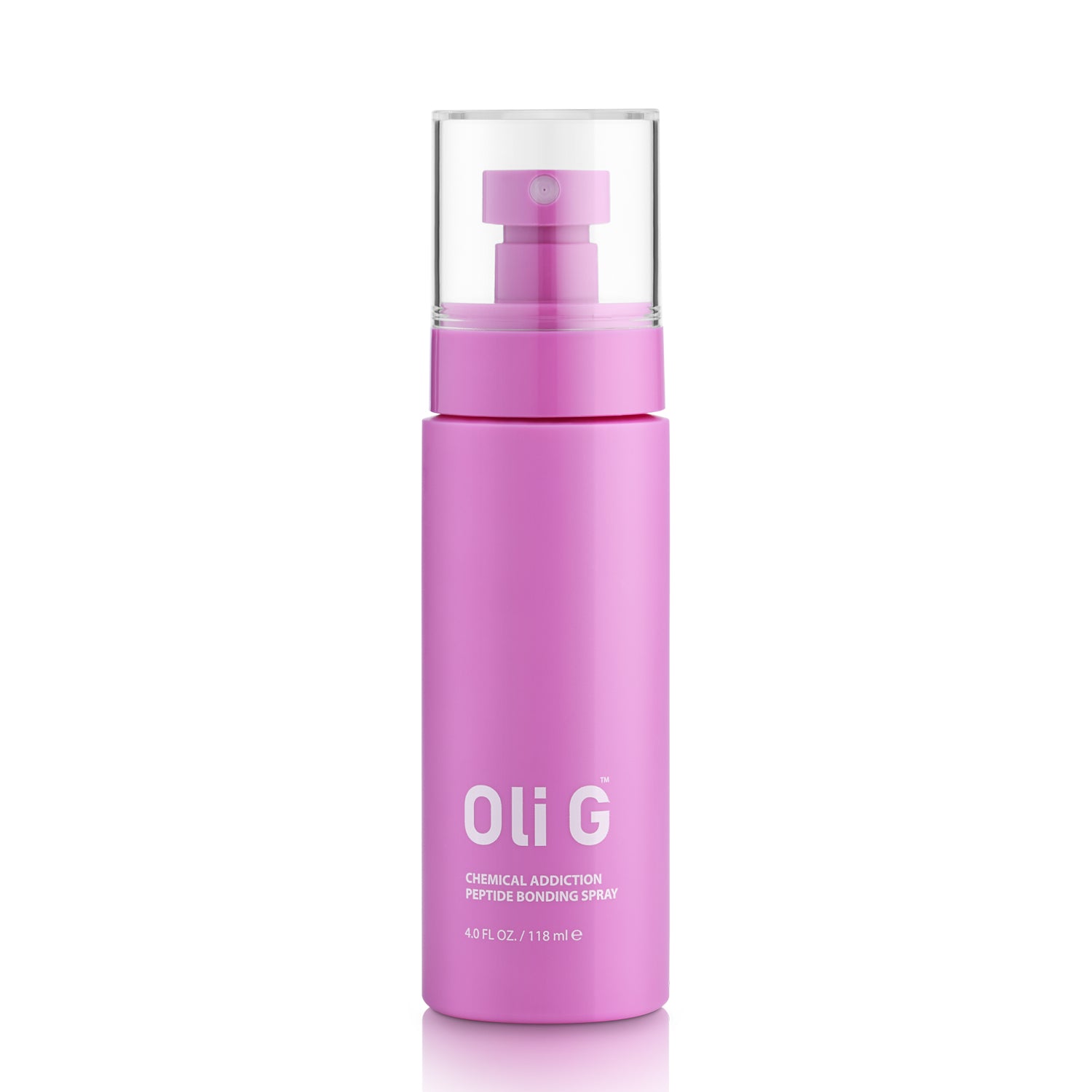
- Style as preferred. Chemical Addiction before any heat — even low-heat styling tools.
On non-wash days:
- Mist hair with water or your usual moisture refresh.
- Atomic in small dose to refresh peptide deposit.
- Renew on ends.
Weeks 2–4
The same routine, but shift AquaLush to once a week (replacing your usual deep conditioner) and use Total Refresh conditioner on other wash days.
Continue daily Atomic and Renew. The peptide deposit compounds week over week — by week three, hair fiber strength tests typically show meaningful improvement versus baseline.
Week 5+
By week five, Type 4 hair that was bleached and is now on the Oli G post-bleach routine usually feels noticeably stronger, less brittle, and is holding moisture longer between washes. You can transition to the standard Oli G daily routine and reserve AquaLush for once a week or twice a month, depending on damage level.
If the bleach service was particularly aggressive (lift from a dark base, double-process, multiple sessions), extend the intensive recovery routine through week eight.
What you should expect to see
- Week 1: Less stinging dryness immediately after the wash. Hair feels more pliable damp.
- Week 2: Visible shine returning. Cuticle laying flatter.
- Week 3–4: Tensile strength noticeably improved. Less breakage during detangling.
- Week 6+: The cumulative peptide deposit is doing its work. Hair behaves more like pre-bleach in resilience and curl pattern definition.
What to avoid in the recovery window
- Frequent clarifying. Pure Detox is a weekly clarifier for hair that's not actively recovering from bleach. Skip Pure Detox for the first three weeks post-service.
- High heat without protection. Always use Chemical Addiction before any heat tool, even at lower temperatures.
- Chemical layering. Don't stack another chemical service (relaxer, color, texturizer) on top of fresh bleach for at least four weeks unless your stylist specifically directs.
- Skipping the oil. Type 4 ends need lipid replacement. Renew on damp ends every wash isn't optional in the recovery window.
Frequently asked
Can I use Oli G if I have braids or a protective style installed? Yes. See our protective styles routine.
My hair is relaxed and bleached. Different routine? Yes — see our routine for relaxed hair. The relaxer history changes the protocol.
How long until my hair feels normal again? Most Type 4 clients on this routine report meaningful change at week 3 and full recovery by week 6–8, depending on damage severity.
Is Oli G safe to use immediately after the bleach service? Yes. The system is designed for same-day application, no waiting window.