The confusion isn't accidental
Search "keratin hair treatment" in 2026 and you'll get results that mix three distinct categories: in-salon keratin smoothing services, at-home keratin masks, and peptide repair products that contain hydrolyzed keratin as one ingredient.
The marketing language overlaps. The products do not.
Here's what each actually is.
Keratin smoothing services (in-salon, $200–$800)
What it is: an in-salon chemical service that uses a keratin-bonding formula plus heat (typically a flat iron at 425–450°F) to temporarily restructure the hair fiber for smoothing and frizz reduction.
The active formula is usually a glyoxylic acid derivative, sometimes paired with formaldehyde-releasing agents (now restricted in many jurisdictions). The keratin protein in the formula isn't the mechanism — it's the carrier. The chemistry is the smoothing agent.
Lasts: 3–6 months depending on the formula and aftercare.
Best for: Frizz reduction, smoothing, blowout time reduction.
Not for: Damage repair. Keratin services typically add slight cumulative damage from the heat and chemistry, even when well-executed.
At-home keratin masks ($25–$80)
What it is: a leave-in or rinse-out mask that contains hydrolyzed keratin as a featured ingredient. Sold as a "keratin treatment" but with no chemical smoothing component.
These masks deposit hydrolyzed keratin (broken-down keratin protein) onto the hair surface. The deposit is temporary — it conditions the cuticle and reduces frizz cosmetically, but it doesn't change the hair's underlying chemistry.
Lasts: A few washes.
Best for: Smoothing and softness between salon visits.
Not for: Structural repair. The keratin is a surface adhesion ingredient at the molecular size most masks use.
Peptide repair ($35–$75 per product)
What it is: a haircare system built on short peptides that enter the cortex and reinforce keratin structure from inside the fiber.
Peptides are small enough to pass the cuticle barrier. Keratin (in its hydrolyzed mask form) usually is not. The mechanism is fundamentally different: peptides deposit inside the fiber and stay; surface keratin sits on top and washes off.
Lasts: Cumulative. Each application compounds the deposit.
Best for: Structural damage repair, daily maintenance, cumulative strengthening.
Not for: Acute frizz emergencies (a keratin smoothing service is a faster cosmetic fix for that specific issue, at the cost of some heat damage).
Can you do both?
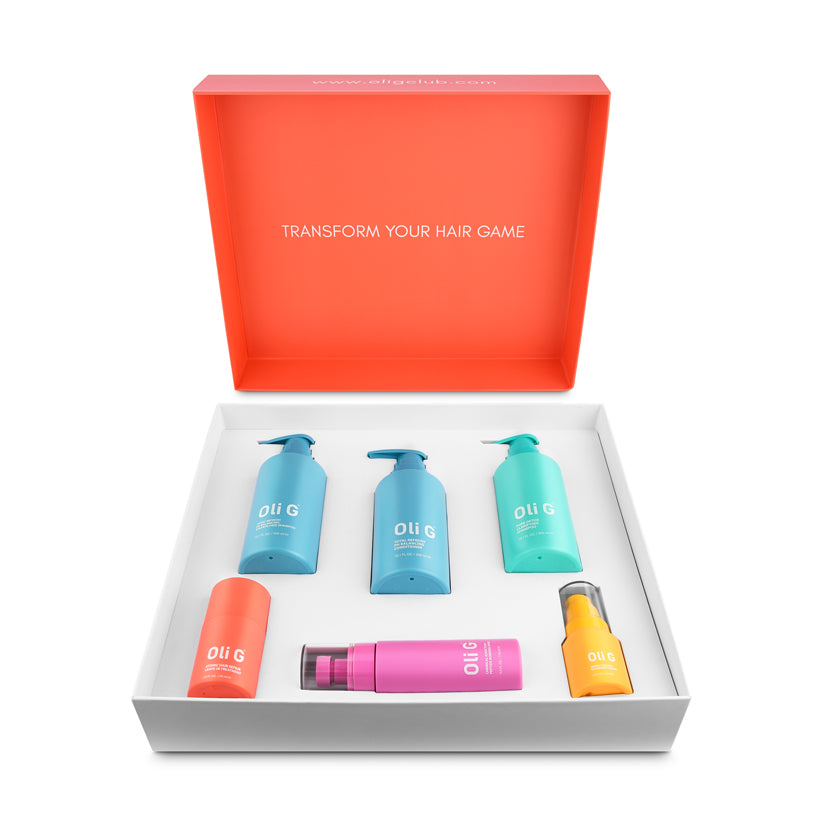
Yes — and many users do. The keratin smoothing service handles frizz and smoothing; the peptide system handles daily repair and maintenance.
If you've had a keratin smoothing service:
- Wait 48–72 hours post-service before introducing any product.
- Use sulfate-free shampoo for the duration of the keratin service. Oli G's Total Refresh is sulfate-free and pH-matched (5.0–5.5).
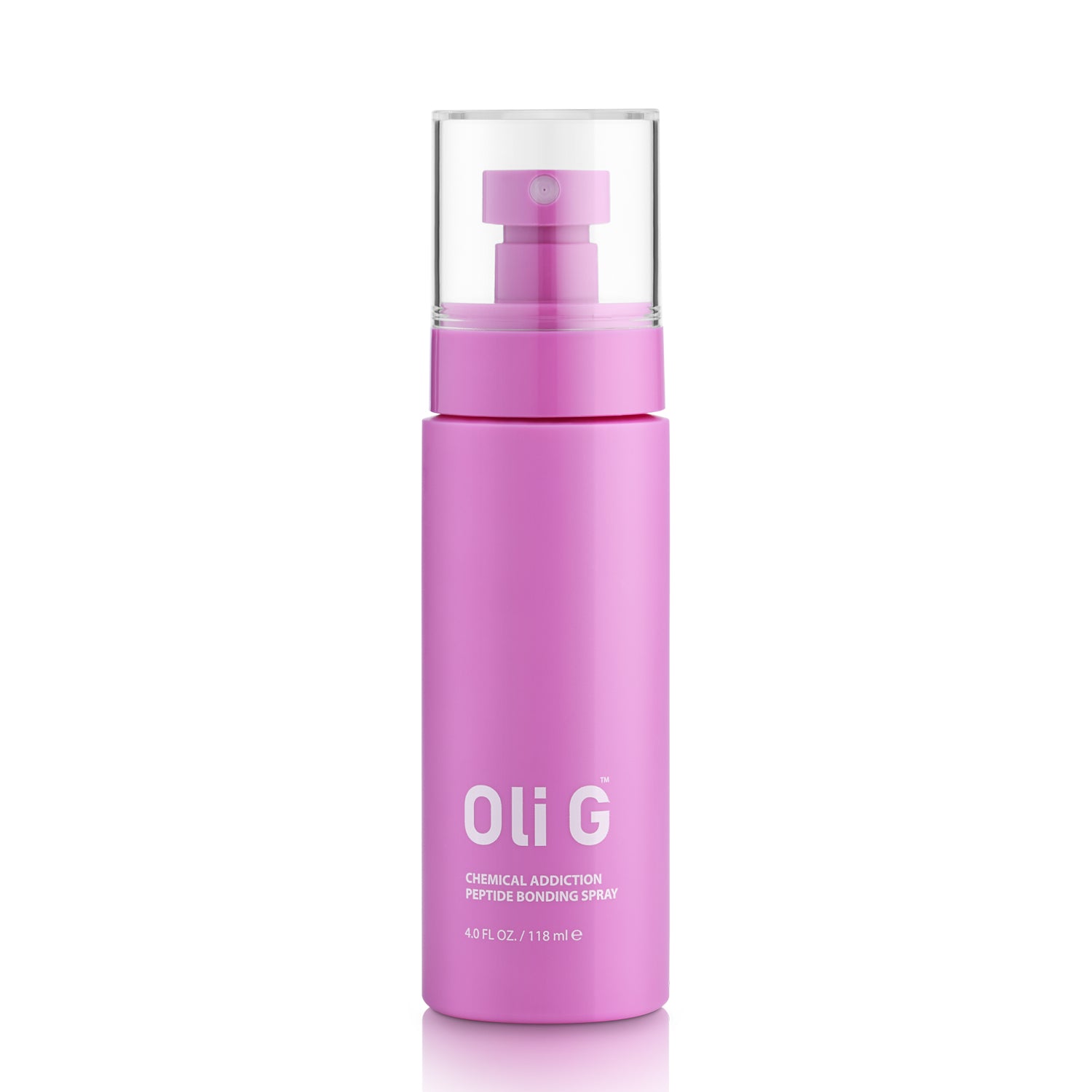
- Skip clarifying shampoos (Pure Detox) for the first three weeks post-service — they accelerate the keratin's wear-off.
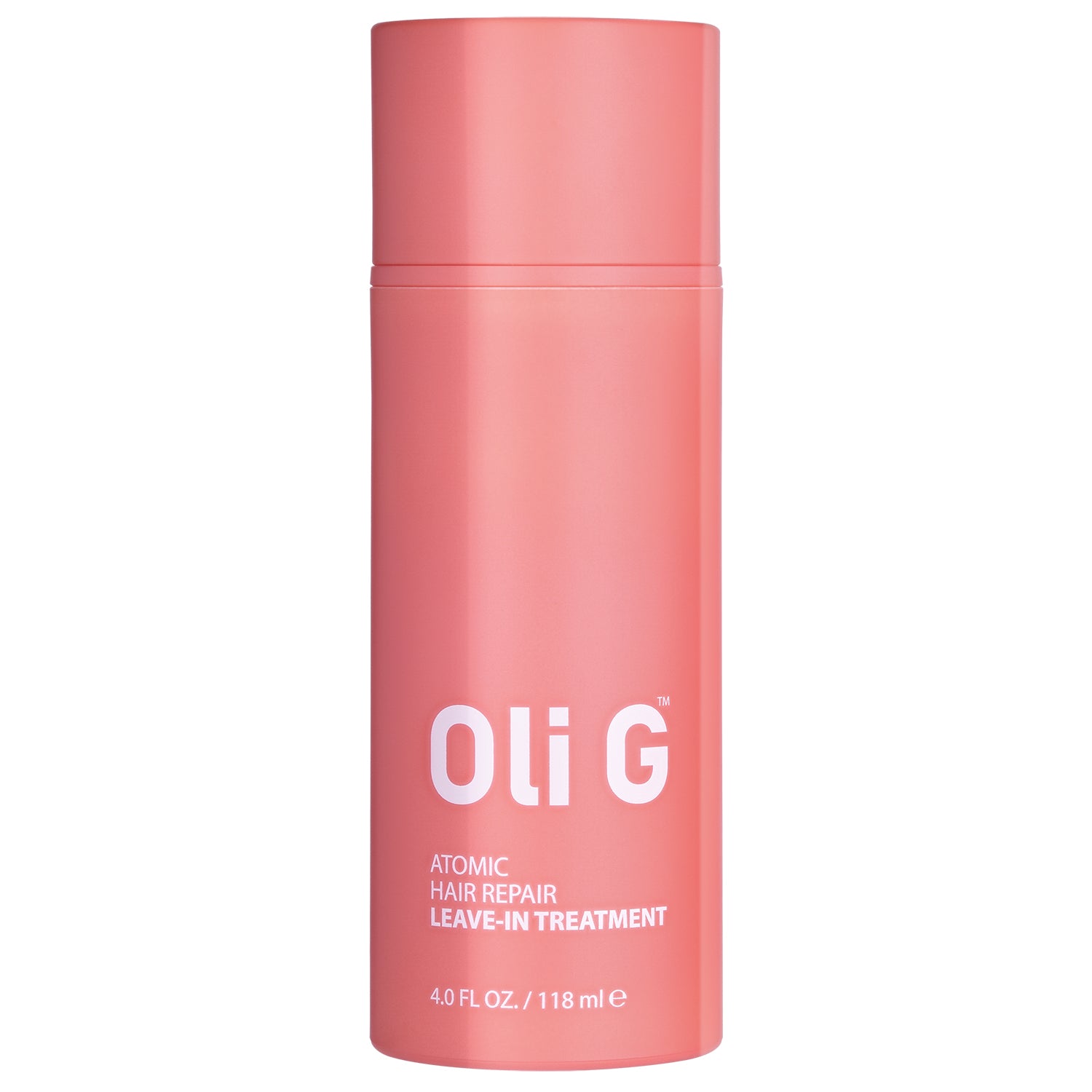
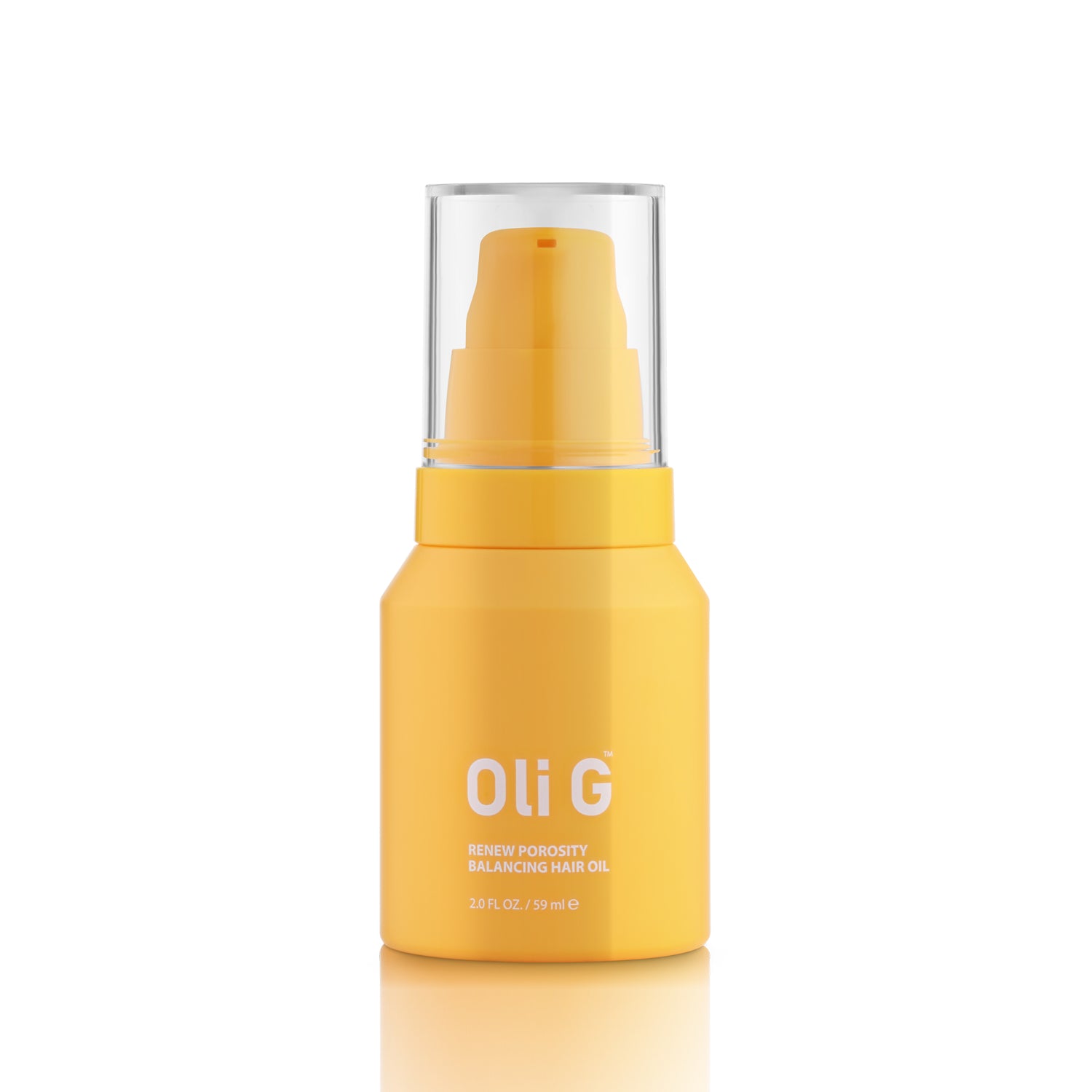
- Atomic and Renew are safe to use daily after the 48–72 hour window.
See our routine for keratin-treated hair for the full protocol.
What about hydrolyzed keratin in peptide products?
A reasonable question: Oli G's AquaLush mask contains hydrolyzed keratin alongside Biotinoyl Tripeptide-1. Doesn't that make it a keratin mask?
It's a peptide mask that uses hydrolyzed keratin as a supporting ingredient. The mechanism is the peptide. The hydrolyzed keratin is the protein bedding that fills out the deposit — it provides surface conditioning while the peptide does the structural work inside.
This is different from a "keratin mask" that uses hydrolyzed keratin as the headline ingredient and has no peptide system at all.
Which one is for you?
Choose a keratin smoothing service if:
- Frizz is your primary problem
- You want a 3–6 month low-maintenance window
- You're willing to spend $200–$800 every few months
- You're comfortable with mild cumulative heat damage trade-off
Choose at-home keratin masks if:
- You want occasional smoothing without committing to a service
- Surface softness is the goal, not structural repair
- Your budget is under $100
Choose peptide repair if:
- Your hair is structurally damaged (bleach, color, heat, chemical history)
- You want daily maintenance that compounds
- You want a system, not a single treatment
- You're managing cumulative damage rather than acute frizz
Do all three if:
- You have severely damaged hair with significant frizz
- You're willing to combine in-salon services with daily at-home care
- This is the most common professional recommendation for high-maintenance hair
Shop Atomic → | Read about oligopeptides → | Read the routine for keratin-treated hair →