Fine hair needs different rules. Heavy products bury it, light products under-condition it. Here's what actually works.
Fine hair is the most common hair type in our chair. It's also the most mis-marketed-to. Volumizing sprays that promise body and deliver crunch. Moisturizing masks that promise softness and deliver flatness. Oils that promise shine and deliver greasy roots. The category is full of products that solve one problem by creating another.
The fix isn't a magic product. It's a different set of rules.
What "fine" actually means
Fine refers to the diameter of each individual strand — how thick a single hair is, not how much of it you have. Many fine-haired people have a lot of hair (high density). Plenty of thick-haired people have less of it overall. The two often get confused, but they call for completely different routines.
If you can wrap a single strand around a sewing thread and it looks like it's about the same thickness, your hair is fine. If your strand looks substantially thicker than the thread, it's medium to coarse.
Three rules for fine hair
Rule 1: condition from the ears down, never the roots
Fine hair gets weighed down faster than any other type. The roots already have plenty of natural sebum after a day or two. Conditioner, mask, or leave-in at the roots will flatten the hair and shorten the time between washes.
Every conditioning product, every time: ears down only.
Rule 2: use peptides, not heavy proteins
Heavy hydrolyzed proteins build up on the cuticle. On fine hair, that buildup becomes visible weight within two or three uses. Peptides — smaller molecules that penetrate the cortex — strengthen the strand without the surface coating.
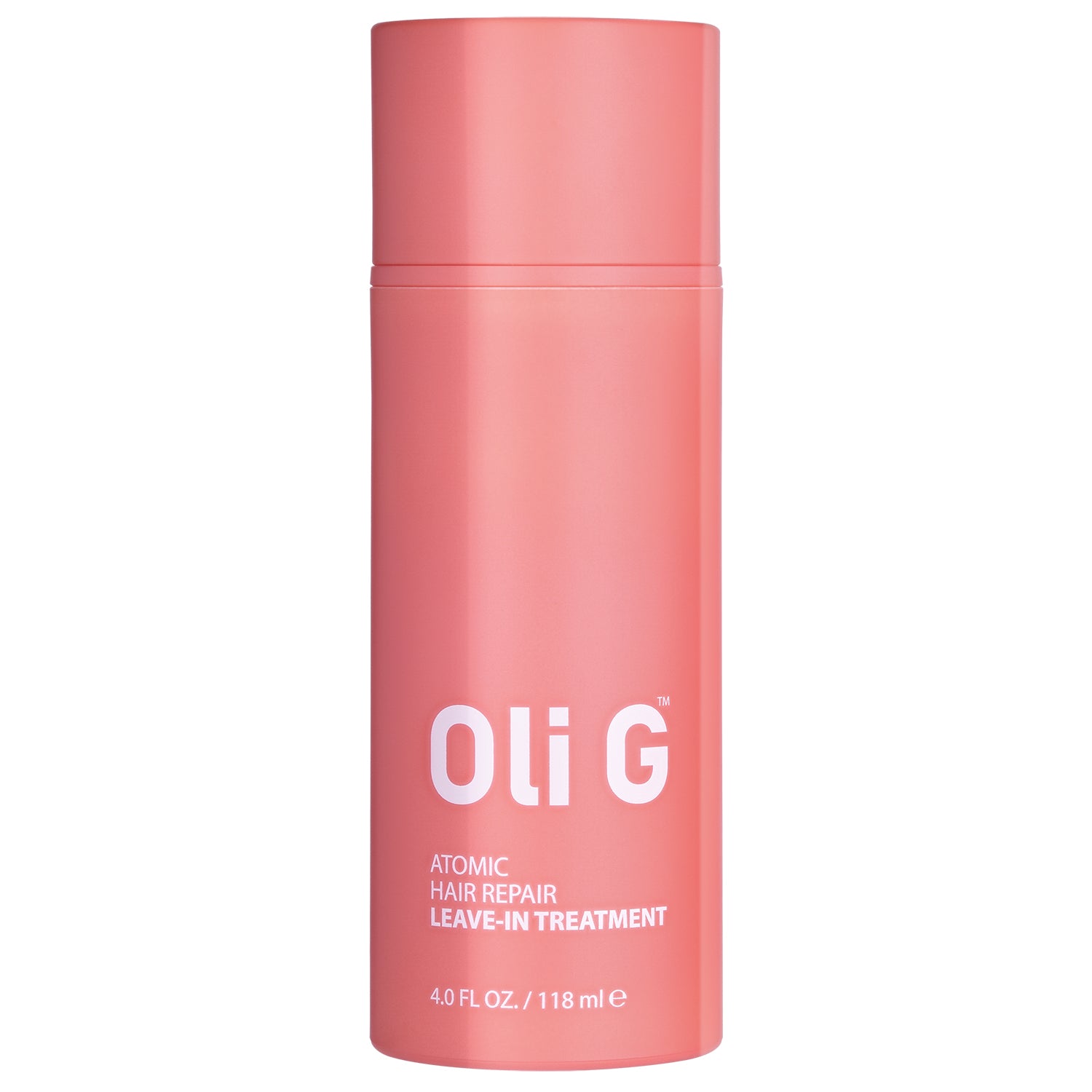
This is what Atomic Hair Repair Leave-In was built for. Two peptides, both small enough to enter the strand and do structural work. Daily use, no buildup, no flattening.
Rule 3: clarify more often than you think you need to
Fine hair traps product faster. Mineral residue from hard water, silicones from styling products, dry shampoo accumulation — all of it sits heavier on a thin strand. Once every two weeks with Pure Detox Clarifying Shampoo is the sweet spot for most fine-haired clients. Once a month at the absolute minimum.
The fine-hair wash day, start to finish
- Pre-wash: two minutes of scalp massage with our Oli G Scalp Brush. Boosts circulation and lifts product residue before water even hits.
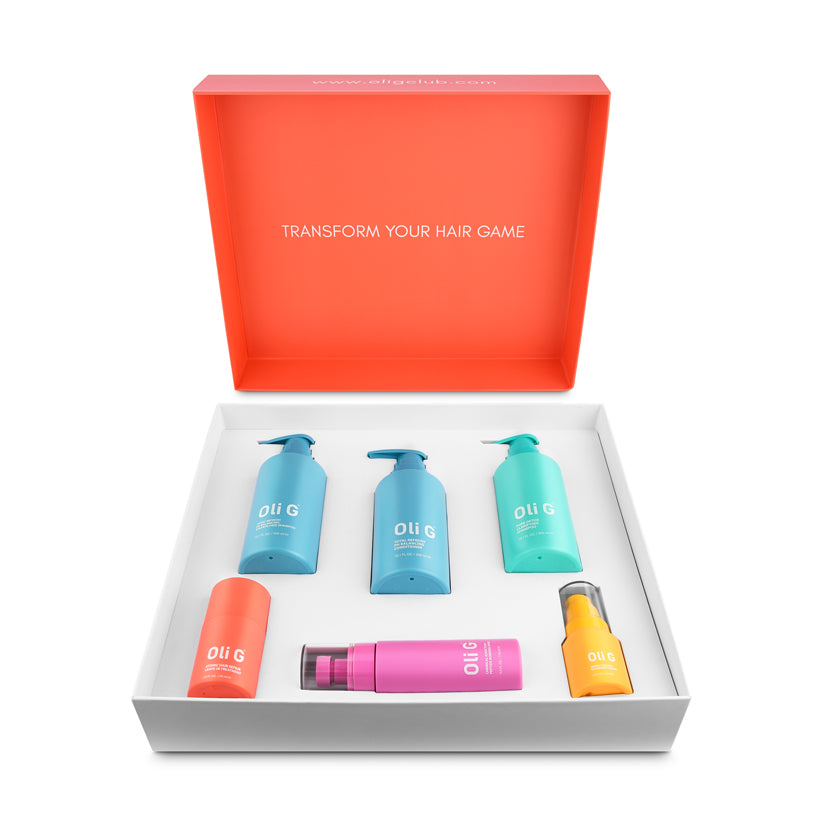
- Shampoo at the scalp only. 60 full seconds. Total Refresh pH Balancing Shampoo on a normal wash; Pure Detox Clarifying Shampoo every other week.
- Mask, briefly. AquaLush Peptide Hair Mask for five minutes, ears down. Once a week. On regular wash days, Total Refresh pH Balancing Conditioner on mid-lengths and ends, two minutes, rinse cool.
- Towel gently. Microfiber or t-shirt squeeze. No rubbing.
- One pump of Atomic. Distribute through mid-lengths and ends. Skip the roots.
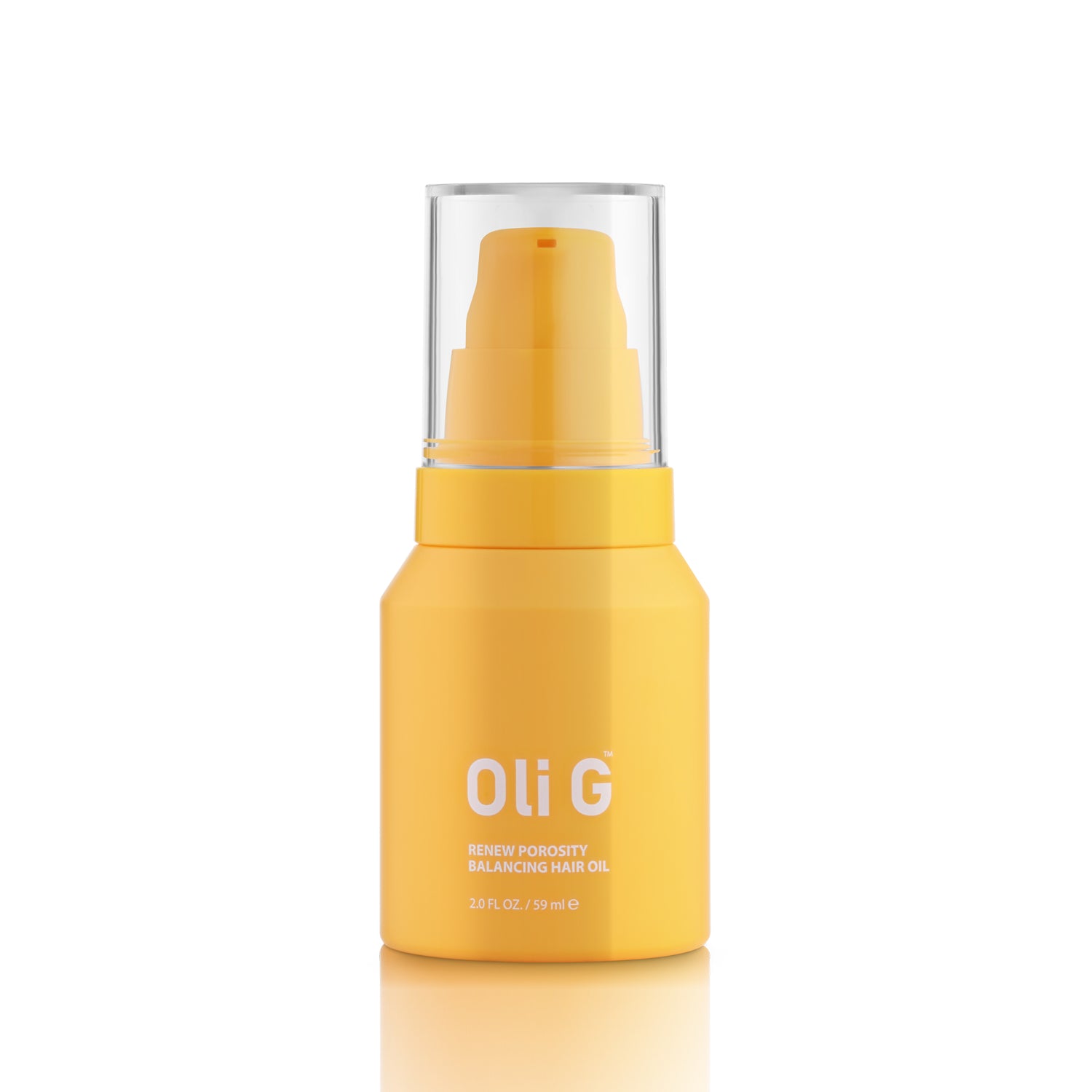
- One drop of Renew oil. On the ends only. One drop is enough for most fine-haired clients.
- Dry from root to tip with cool air at the end. The cool blast at the end is what helps fine hair hold volume.
What to drop from your current routine
If you're fine-haired and have been buying heavier products in the hope they'll "weigh the hair into shape," they're doing the opposite. Audit your shelf for:
- Cream-based leave-in conditioners with butters or heavy oils as a top-5 ingredient
- Hair masks with intact proteins (not hydrolyzed) high on the list
- Any product whose first conditioning ingredient is a heavy oil (coconut, castor, jojoba in high concentration)
- Styling products with non-water-soluble silicones unless you're clarifying weekly
Replace with lighter alternatives, or just remove them and see what happens. Most fine-haired clients are stunned at how much better their hair behaves with fewer products.
The signs it's working
Within three wash cycles: more lift at the root, less greasy by day two, more bounce in the air, less static. Within two months: the strand itself stronger, less breakage on the brush, a noticeable improvement in the way the hair lays after a blowout.
Fine hair isn't a curse. It's just a different operating manual. Once you have the right rules, it can be the easiest hair type to make look incredible.