What to do, what to skip, and how to keep the result you paid for. Day by day, in the two weeks where it actually matters.
You sat in the chair. Your stylist worked magic. You walked out a shade you've been thinking about for a year. The question now is whether the version of your hair you saw in the mirror that night is the version you'll still have in two weeks — or whether by then it will be dry, brassy, and breaking at the ends.
The first fourteen days after a lift are the single most important window for the long-term health of color-treated hair. Almost everything that goes wrong with bleached hair goes wrong here. This is what to do, day by day.
Why fourteen days specifically
When bleach lifts the hair, it doesn't just remove pigment — it opens the cuticle, oxidizes the inside of the strand, and leaves the structure temporarily porous and chemically unstable. The cuticle takes roughly 72 hours to fully close, but the strand stays vulnerable for about two weeks. During this window, color washes out faster, water absorbs unevenly, and protein loss accelerates. After day fourteen, the strand stabilizes — whatever shape it's in then is roughly what it stays until the next service.
Days 1–3: do almost nothing
Don't wash. Don't swim. Don't touch a hot tool. Don't pull it back in a tight ponytail. Don't apply any product that wasn't recommended in the chair.
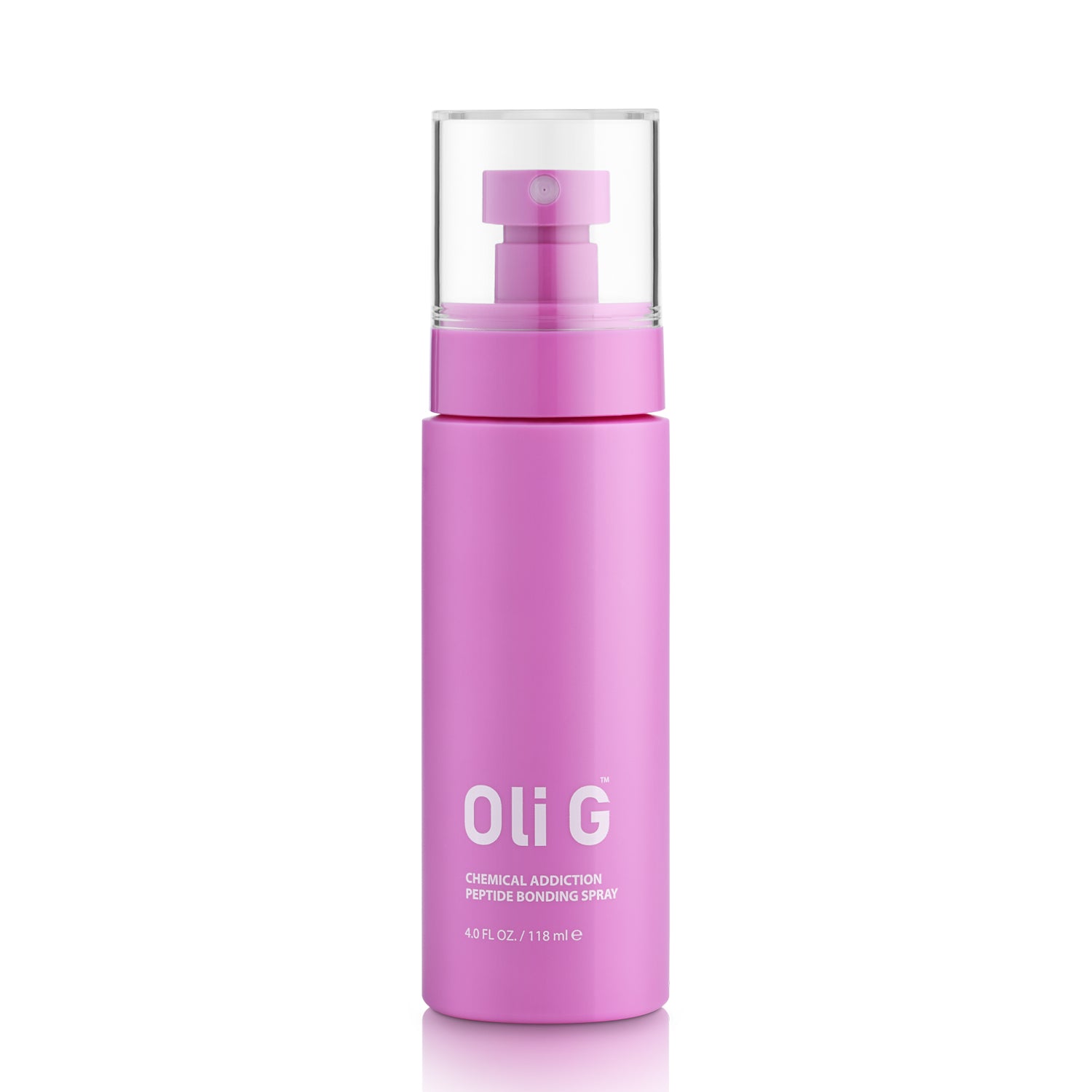
This sounds extreme, but the cuticle is still settling and the cortex is at its most vulnerable. The longer you can wait before the first wash, the better the color will hold. If your stylist sent you home with a bond builder, this is the window to apply it. Otherwise, leave the hair alone.
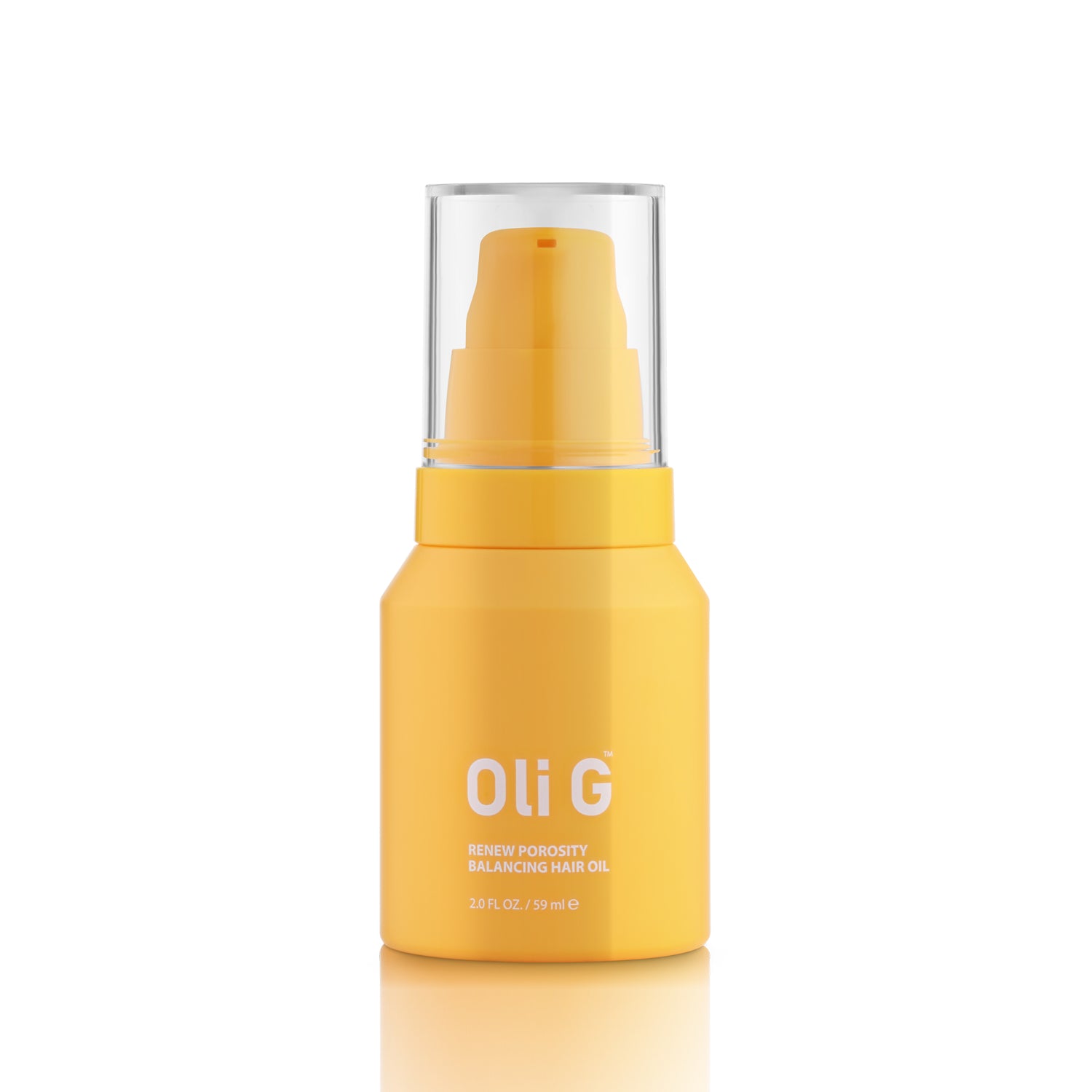
The only acceptable interventions: a soft microfiber wrap if it's still wet at the ends, a wide-tooth comb on dry hair, and a few drops of Renew Porosity Balancing Oil on the ends if they feel papery.
Days 4–7: the first wash, and how to do it
This wash sets the tone for everything else. Three rules:
Lukewarm water, never hot. Hot water reopens the cuticle and accelerates color loss. Lukewarm — barely warmer than your body — is the sweet spot.
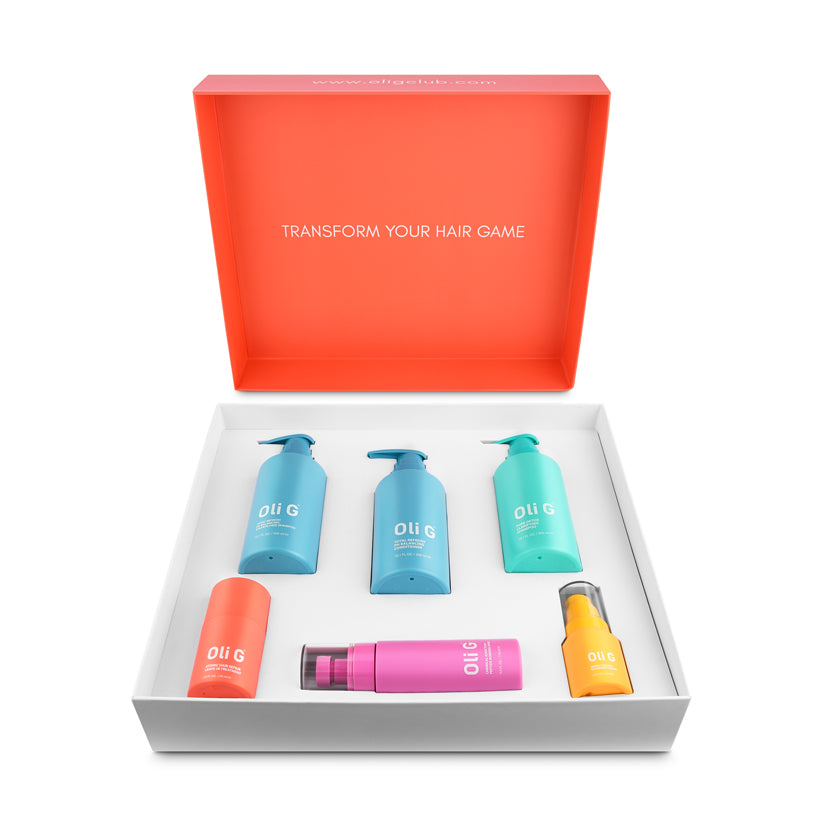
Sulfate-free, color-safe shampoo only. Sulfates strip the cuticle. On freshly lifted hair, that's catastrophic for color retention. We use Total Refresh pH Balancing Shampoo — pH-balanced, sulfate-free, gentle enough for daily use post-service.
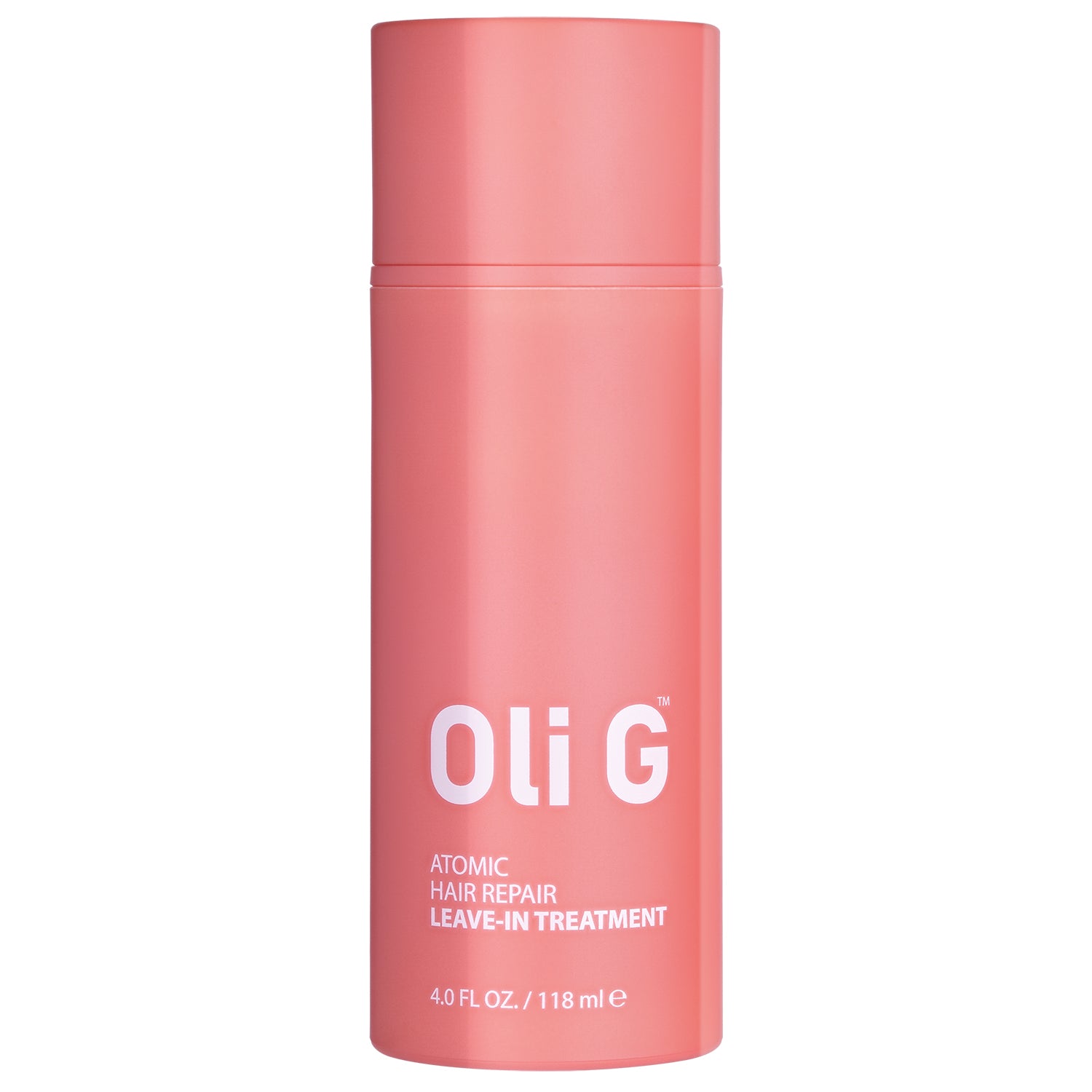
Mask the mid-lengths and ends, not the scalp. Apply Atomic Hair Repair Leave-In to damp hair after the wash. The peptides start the repair work. Skip the scalp — protein build-up at the roots can make fine hair feel flat.
Air-dry if you can. If you can't, use a low-heat blow dryer with a heat protectant, and skip flat irons entirely this week.
Days 8–10: the second wash, with the deep step
Now add a deeper treatment. AquaLush Peptide Hair Mask is the move here — a 5-minute peptide fiber mask. Apply on damp hair after shampoo, leave for the time on the bottle, rinse. The peptide fibers literally fill the gaps a bleach service leaves behind. Follow with Atomic and Renew oil.
If you're going to use heat tools again, this is when it becomes acceptable. Keep the iron under 350°F, always with a heat protectant, never on damp hair.
Days 11–14: maintenance, plus the toner question
This is when most bleached hair starts to show the first signs of brassiness — particularly in shades taken to a level 9 or 10. Resist the urge to grab a purple shampoo and leave it on for fifteen minutes. Over-toning is one of the most common ways people accidentally turn their blonde gray or muddy.
If you want a toning shampoo, use it once a week, leave it on for two to three minutes, rinse fully. It's maintenance, not corrective. If your color has shifted enough to bother you in the mirror, the answer is a glaze in the chair, not heroics at home.
Three things to skip for the whole two weeks
Chlorinated pools and untreated salt water. Devastating to freshly lifted hair. If you can't avoid swimming, soak your hair in clean water before you get in and rinse immediately after. Better: saturate the hair in AquaLush before the pool — it acts as a sacrificial protective layer.
Dry shampoo on the lengths. Fine at the roots in small amounts. On the mid-lengths it sits on top of an already-stressed cuticle and dries it out further.
Sleeping on cotton. A silk or satin pillowcase reduces friction and helps the cuticle stay flat. A loose silk bonnet for the first week makes a measurable difference.
The mindset shift
The hair you walked out of the salon with took chemistry, technique, and time to create. Maintenance isn't an extra step — it's part of the service you already paid for. Two weeks of intentional aftercare is what separates the people who keep their color through to the next appointment from the people who quietly book an unscheduled glaze in three weeks.
Do these fourteen days well and the next six weeks take care of themselves.