If you live somewhere the air carries water, you've been fighting the wrong product. Here's the routine that actually holds.
We're based in Miami. We know exactly what 90 percent humidity does to a wash-and-go that looked perfect at 8am. By 11, the curls have separated. By 2, they're soft. By 5, you're in a clip.
The reason this happens is not that your products are bad. It's that the standard advice about curly hair was written by people in much drier climates, and it falls apart — quite literally — when the air is full of water. Here's what's actually happening, and how to build a routine that holds.
What humidity actually does to a curl
Hair is hygroscopic. It pulls in water from the air. When humidity is high and your hair is full of humectants — glycerin, panthenol, aloe, honey — those humectants do exactly what they're designed to do: they pull moisture in. In a normal climate, that's helpful. In Miami in July, that's the recipe for swollen, frizzy, undefined curls.
The fix isn't to switch to anti-humectant products entirely. It's to balance humectants with sealing agents and the right level of polymer hold, so the curl pattern is locked in before the air can renegotiate it.
The four-step humidity-resistant routine
Step 1: cleanse, but only enough
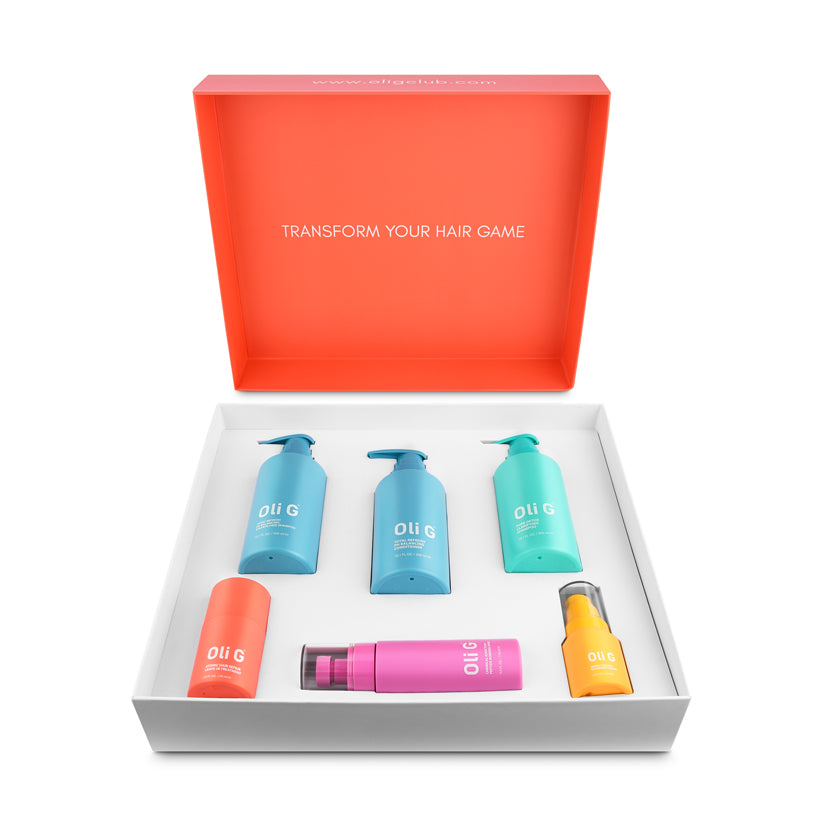
If you're shampooing every wash, switch to a gentler daily option. Total Refresh pH Balancing Shampoo is pH-balanced and sulfate-free — formulated specifically for repetition. Stripped hair is more porous, and more porous hair absorbs more water from the air. Use Pure Detox Clarifying Shampoo once a week to clarify, daily Refresh in between.
Step 2: hydrate on soaking wet hair
"Soaking wet" isn't a metaphor. The wetter your hair is when you apply the first product, the more evenly that product distributes and the better the curl clumps. AquaLush Peptide Hair Mask on truly drenched hair, left in for five minutes, gives you a base the next two steps can build on.
Step 3: the peptide bridge
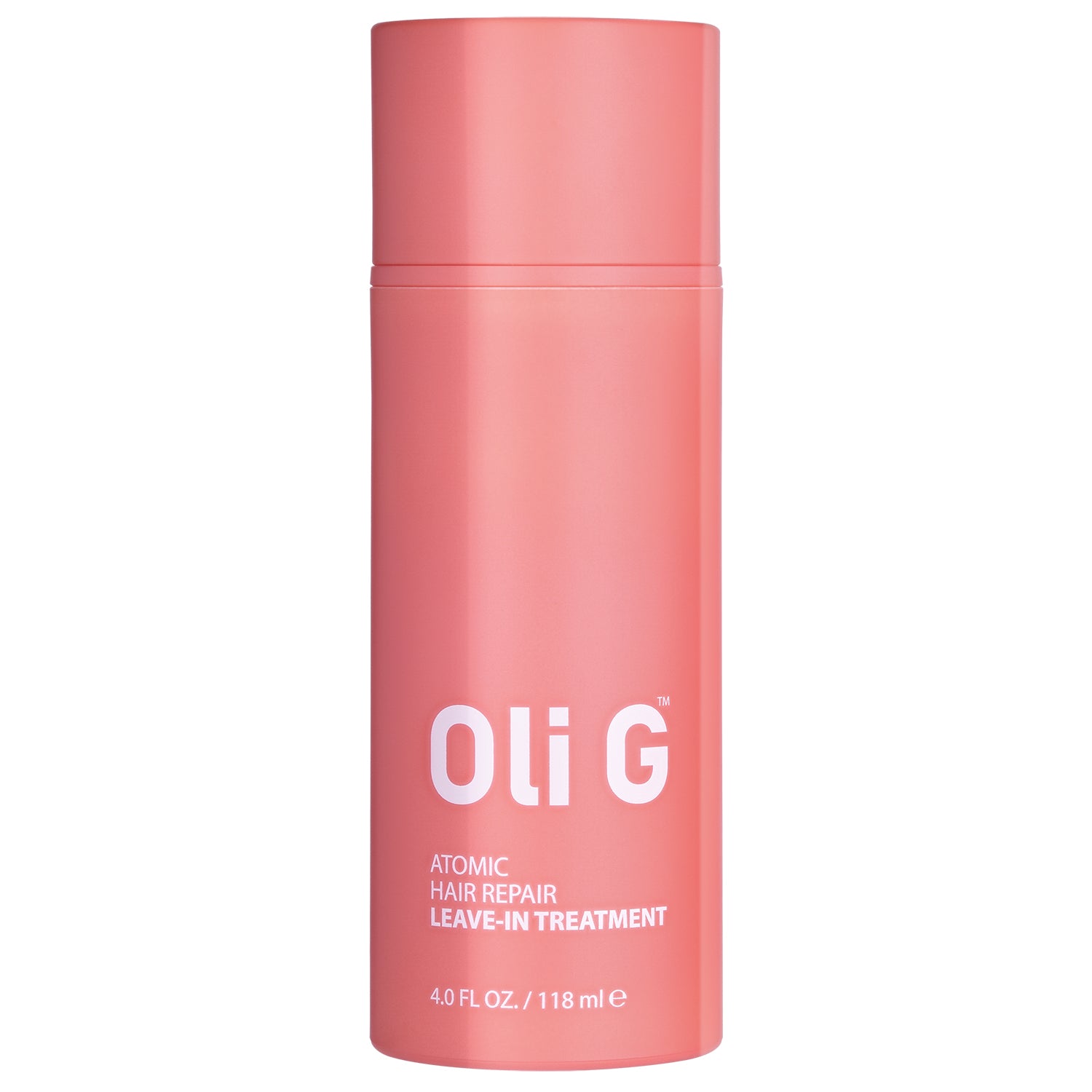
The step most humidity-failed routines skip, and the most important. Atomic Hair Repair Leave-In does two things at once: it strengthens the strand structurally (so the curl can hold its shape against the pull of the air) and it bridges the hydration into the seal. Apply on wet hair, rake through to the ends, scrunch upward.
Step 4: the seal — where most routines lose the day
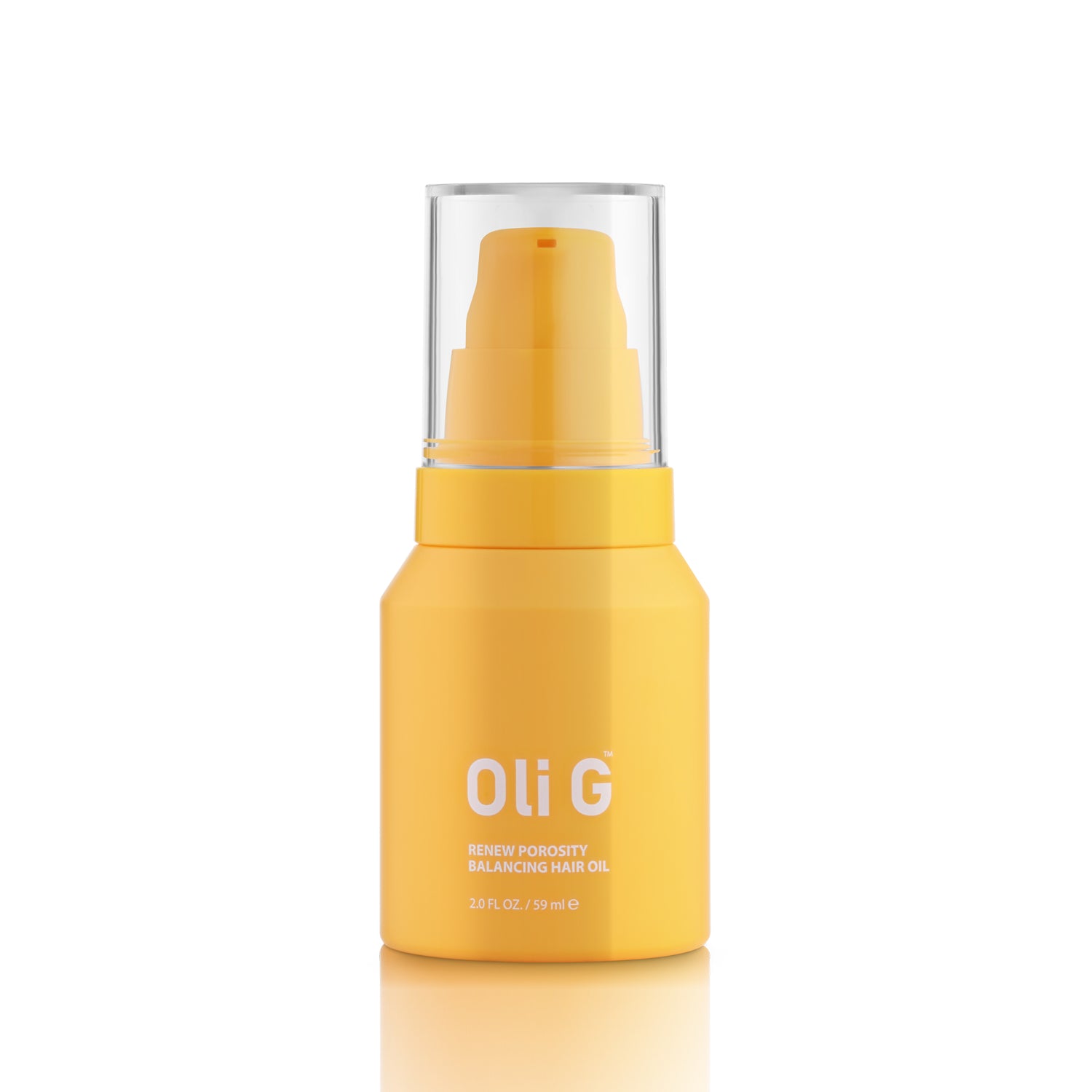
You need something on top. In low humidity, a light leave-in cream can be enough. In Miami summer, it has to be something with actual sealing power. A few drops of Renew Porosity Balancing Oil distributed through the lengths, scrunched in, is enough for most fine-to-medium textures. Coarser textures may want a curl cream layered before the oil.
The order matters. Water-based hydrator → peptide leave-in → oil seal. Reverse the order and the oil blocks the hydration from reaching the strand.
How you dry it matters as much as what you put in it
Three rules:
Don't touch the hair while it's drying. The frizz at hour four is often frizz you created at hour one by scrunching, fluffing, or checking. Hands off.
Diffuse on low heat or air dry. High heat on curly hair is the single fastest way to make humidity damage worse — it leaves the cuticle slightly open, which means more swelling later.
Plop or pineapple while drying. A soft cotton t-shirt or microfiber wrap during the first 30 minutes helps the cast set without disturbing the pattern.
The cast and the scrunch-out
If your products are working, your hair will have a slight crunch when fully dry — that's the cast, and it protects the curl pattern from humidity. Don't panic. Once bone dry, scrunch the cast out with clean hands, working from the ends up. The crunch breaks, the curl stays. Done correctly, this is the difference between a wash-and-go that holds for one day and one that holds for three.
Two myths to drop
"Plopping in the heat traps moisture." Plopping with a breathable cotton or microfiber is fine. Plopping with a heavy towel for an hour, in a hot bathroom, on saturated hair — that traps moisture. The fix is the material and the time, not the technique.
"Glycerin is bad in humidity." Glycerin in isolation is unpredictable in humidity. Glycerin balanced with proteins, lipids, and polymers — like in a properly formulated leave-in — is part of the structure that holds the curl. The problem isn't the ingredient; it's the formula it's sitting in.
Build the routine in the right order, dry it without touching, and Miami summer becomes a hair climate you can work with.