
The most common complaint in hair, and the most misunderstood. It's not a moisture problem. It's a distribution problem.
If you've been describing your hair as "greasy at the roots but dry at the ends," you're describing the single most common hair complaint we hear at the chair. And almost everyone with this combination has been treating it wrong.
The mistake is intuitive. You think: my scalp is too oily, so I'll use stronger shampoo to clean it. And my ends are too dry, so I'll pile on the conditioner. Two months later your roots are oilier than ever and your ends are crispy.
Here's what's actually happening, and how to fix it.
The diagnosis is in the word "distribution"
Healthy hair has natural sebum produced by glands at the scalp. That sebum is supposed to travel down the strand, coating it gradually as you go through the day. On hair that's working correctly, the strand is lightly conditioned from root to tip by the time you wash again.
Two things stop that natural distribution:
1. The strand shape. Curly and wavy hair textures have a harder time letting sebum travel down. The curve of the strand blocks it. The roots stay oily; the ends stay dry.
2. Mechanical damage at the ends. The cuticle at the bottom three inches of your hair has lost the lipid layer that used to hold moisture in. Sebum that does reach the ends can't compensate because the structural problem is the cuticle itself.
Either way, the "greasy roots, dry ends" complaint isn't a sign that your scalp makes too much oil. It's a sign that the distribution system isn't working — and the fix is to address both ends of the problem differently.
The fix at the roots
Wash less, not more.
This sounds wrong. It isn't. Aggressive over-washing causes the scalp to produce more sebum, not less. The scalp interprets repeated stripping as "I am being denuded; I'd better compensate." Within a few weeks of over-washing, you're producing more oil than before, faster.
The path back:
- Stretch your washes by a day or two. If you wash daily, go every other day. If you wash every other day, go every three days.
- Use a gentle, pH-balanced shampoo when you do wash. Total Refresh pH Balancing Shampoo is formulated specifically for daily-to-frequent use without stripping.
- Once every two weeks, clarify with Pure Detox Clarifying Shampoo to remove buildup. This is the move that resets the cycle.
- Massage the scalp for a full minute during the shampoo. Use Oli G Scalp Brush if your fingers aren't enough. Better scalp circulation = better sebum production patterns.
Within four to six weeks, scalp sebum production usually normalizes. The roots stop feeling greasy on day two. This isn't fast, but it's permanent.
The fix at the ends
Condition more — but specifically.
The ends need three things you may not be giving them:
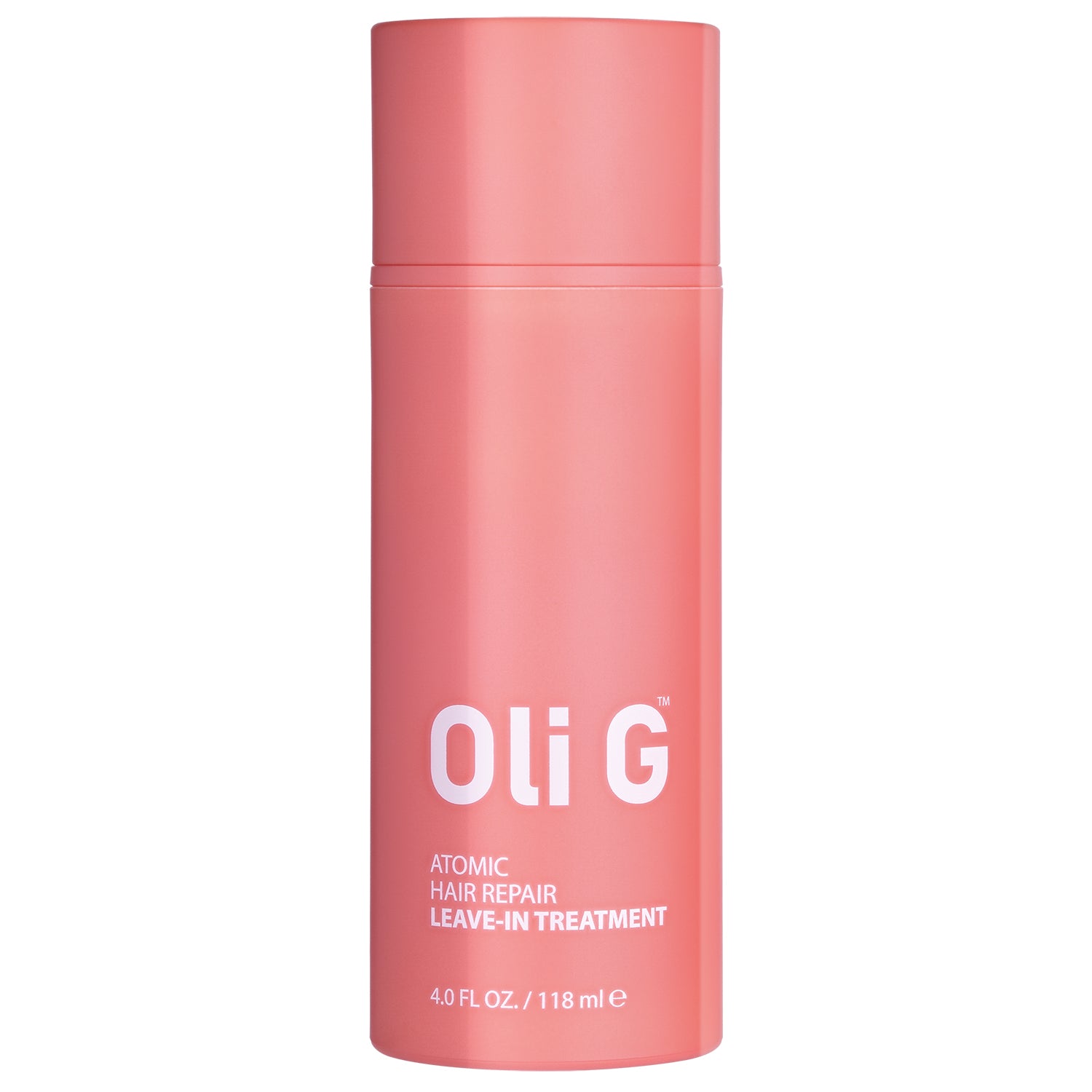
Peptide repair (Atomic Hair Repair Leave-In), applied to damp hair after every wash, focused on mid-lengths and ends. Skips the roots entirely.
A weekly deep treatment (AquaLush Peptide Hair Mask), 5 minutes in the shower, ears down only. The peptides fill the structural damage that's preventing the ends from holding moisture.
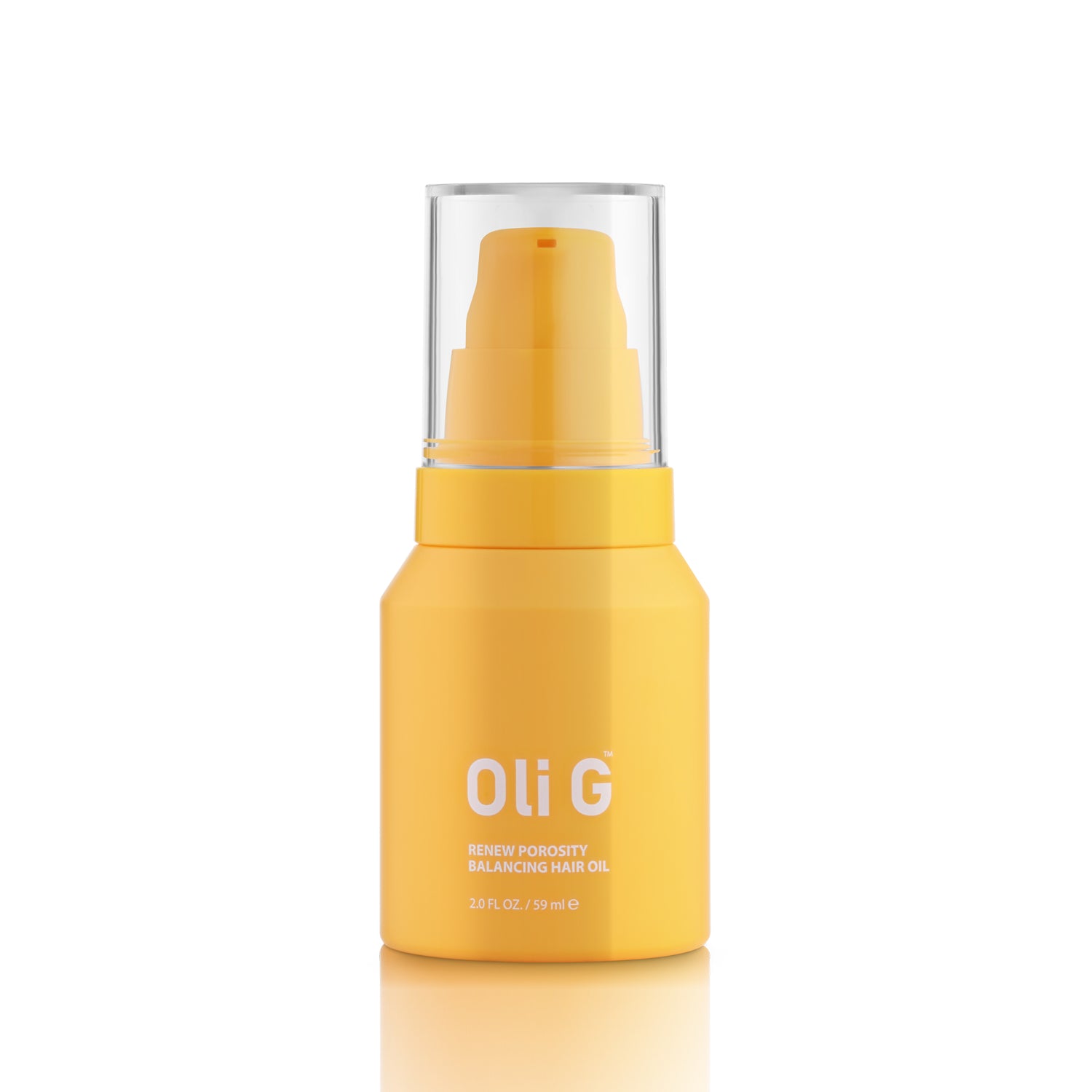
A lipid seal (Renew Porosity Balancing Oil), one or two drops on the ends only, after every wash. This is the layer that simulates the sebum your natural oils can't reach down to.
This is a paradoxical routine — you're using more product, but on a smaller area, while reducing what you do everywhere else. It works.
The mistake most people make
Trying to fix both problems with a single product. Conditioner from root to tip — flattens the roots, doesn't reach the ends with enough impact. Dry shampoo at the roots — covers the symptom but doesn't change the cause, and contributes to scalp buildup. Heavy oils everywhere — coats the roots greasy and still doesn't fix the structural damage at the ends.
The fix is doing two different things at two different parts of the strand. Light at the roots, heavy at the ends. Cleansing-focused at the top, repair-focused at the bottom.
The signs it's working
Within two weeks: roots cleaner on day two. Within four to six weeks: roots cleaner on day three or four. Ends visibly softer and smoother. The "greasy roots, dry ends" complaint disappears.
This is one of the most rewarding routines to get right because the improvement is so visible — and so durable. Once your hair stabilizes in this pattern, it stays.