If your wave is flat by lunch and your curl is fuzzy by dinner, you're not styling wrong — you're missing two specific steps.
Wavy and curly hair (Types 2A through 3C in the standard classification) covers an enormous range: from loose S-waves you can see when you tilt your head, to springy ringlets that hold their shape without any product. What unites them is a single biological fact: the hair follicle is oval rather than round, which makes the strand curve as it grows.
That curvature affects everything. Sebum doesn't travel down the strand as efficiently, so wavy-curly hair runs drier than straight hair. The cuticle layers on the convex side of each curve are slightly raised, so the strand is more prone to frizz. And the curl pattern itself only forms properly when the hair is hydrated and given something to hold onto.
Two steps make the difference between a routine that works and one that doesn't.
Step one: apply products to soaking wet hair
This sounds basic. It's the most common mistake. The wetter the hair, the better the curl clumps and the more evenly products distribute. "Damp" is too dry. You want hair that's still dripping when you apply the first product.
This is why the curly community talks about "praying hands" and "rake and shake" — both techniques designed to deposit product on truly saturated hair without disturbing the natural curl pattern.
Step two: cast and scrunch-out
If your products are working, your hair will form a slight crunch — called the cast — as it dries. The cast is what protects the curl pattern from humidity and gravity while everything sets.
When the hair is bone dry (not just mostly dry — fully dry), scrunch the cast out gently with clean hands, working from the ends up. The crunch breaks. The curl stays.
This single technique is the difference between curls that look "wet and crunchy" all day and curls that look soft and defined.
The wavy-curly wash day
- Cleanse, but not too aggressively. Total Refresh pH Balancing Shampoo once or twice a week. Skip a wash and just rinse with water in between if your scalp tolerates it. Curly hair runs drier than straight hair; over-cleansing makes it worse.
- Mask in the shower. AquaLush Peptide Hair Mask for five minutes, applied from ears down. The peptides give the curl pattern something structural to hold.
- Don't rinse fully. Leave a small amount of conditioner in the hair as you exit the shower. Curly hair is happiest when the conditioning layer is still slightly present.
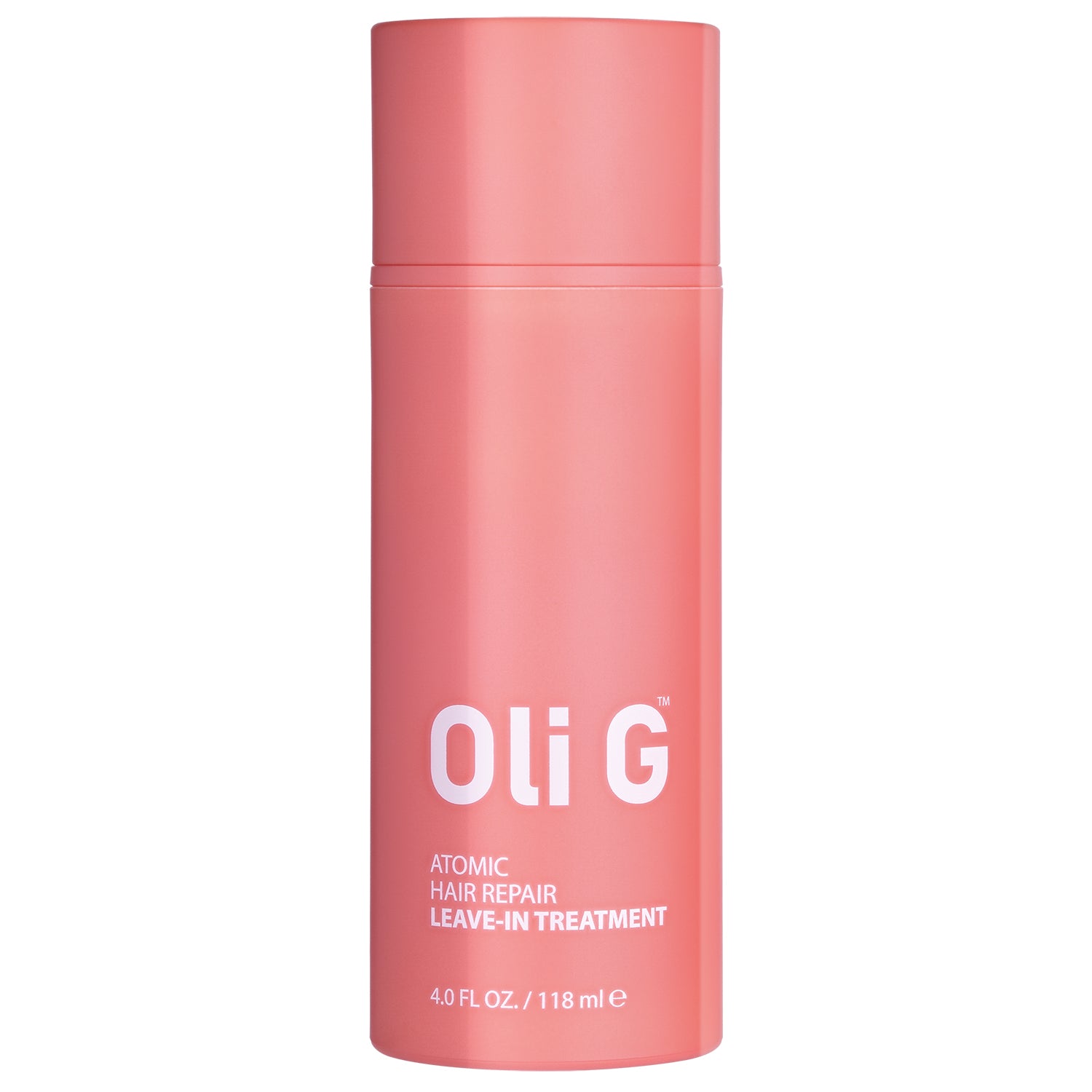
- Apply Atomic Hair Repair Leave-In on soaking wet hair. Praying-hands distribution: smooth between palms, press into the hair from root to tip, don't disrupt the clumps.
- Layer a styling product if you want more definition. A curl cream or gel goes on top of the peptide leave-in. Optional — most Type 2 hair doesn't need this layer. Type 3 hair often does.
- Diffuse on low heat or air-dry undisturbed. The first thirty minutes of drying are when the curl pattern locks in. If you touch the hair during this window, you'll see frizz at hour four.
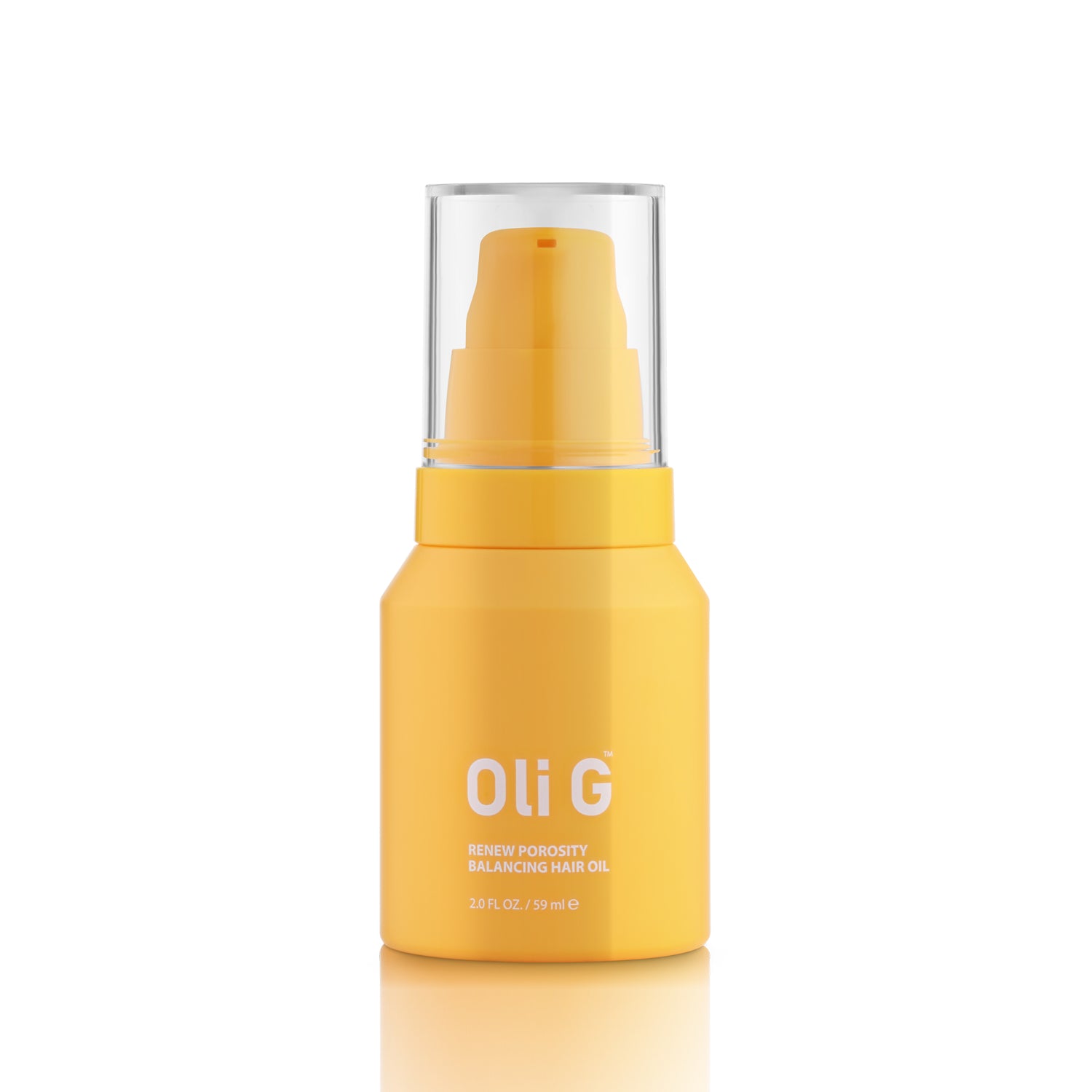
- Scrunch out the cast when fully dry. Then add a drop of Renew Porosity Balancing Oil to the ends to add shine.
What to drop
Most wavy-curly clients have been overcomplicating their routines for years. Three things to consider eliminating:
Daily shampooing. Curly hair almost universally does better with two or three washes a week, not seven.
Heavy butters and waxes. Shea butter, beeswax, and similar ingredients are popular in curly product lines but often weigh down looser curl patterns. Type 2 and most 3A hair does better with lighter formulations.
Touching the hair while it dries. The number-one cause of frizz in your control. Hands off until bone dry.
Refresh between washes
Day two and three, mist with water (or a 1:2 mix of AquaLush and water in a spray bottle), scrunch upward, add a drop of Renew oil. Most curl patterns revive within a minute.
The signs it's working
Within one wash: better clumping, more defined pattern, less frizz at the canopy. Within four weeks: a curl pattern you didn't know you had, holding for three days instead of one.
If you've been told your hair "isn't really curly," that's almost always wrong. Your hair is curly. It just hasn't been treated like it.