Straight hair has its own specific problem: it shows oil, breakage, and dullness faster than any other type. Here's the routine.
Straight hair (Type 1 in the standard texture classification) is often treated as the "default" hair type — the one all generic product instructions assume. The result is that straight-haired clients rarely get advice tailored to what their specific texture actually needs. Which is unfortunate, because straight hair has its own real challenges.
Type 1 hair is the most efficient at distributing sebum from scalp to ends, which is good. But that same property means oil shows up at the roots faster, every wash mistake is more visible, and the strand reflects light in a way that exposes every split end and every bit of frizz. The smoothness that makes Type 1 hair look so polished when it's healthy is the same smoothness that makes damage impossible to hide.
Three rules for straight hair
Rule 1: don't compensate for "no curl" with heavier products
The most common mistake we see in straight-haired clients is using rich, curl-oriented products to add "body" or "texture." It doesn't work. The strand structure is already efficient at taking up sebum, so heavy butters and creams just sit on top and weigh the hair down further. The look they're chasing is movement and shine, not weight.
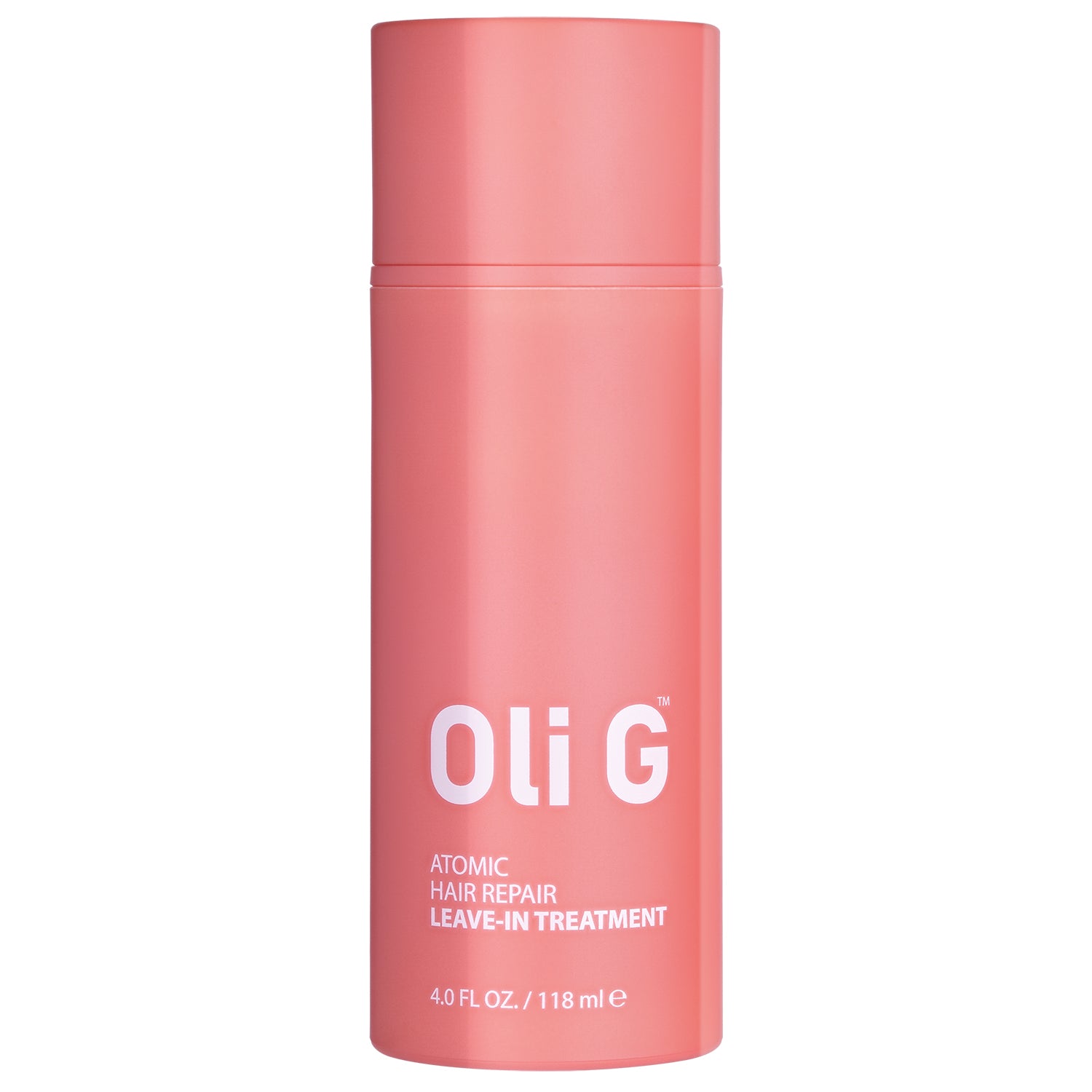
Use lighter products, applied with intention. Atomic Hair Repair Leave-In is ideal for Type 1 — peptide-based, lightweight, no surface coating, real structural work.
Rule 2: every imperfection is visible — so prevent them
Straight hair reflects light along the entire length of the strand. That's why healthy straight hair looks like a hair commercial. It's also why one split end can ruin an otherwise great blowout. Prevention is more important on Type 1 than on any other texture.
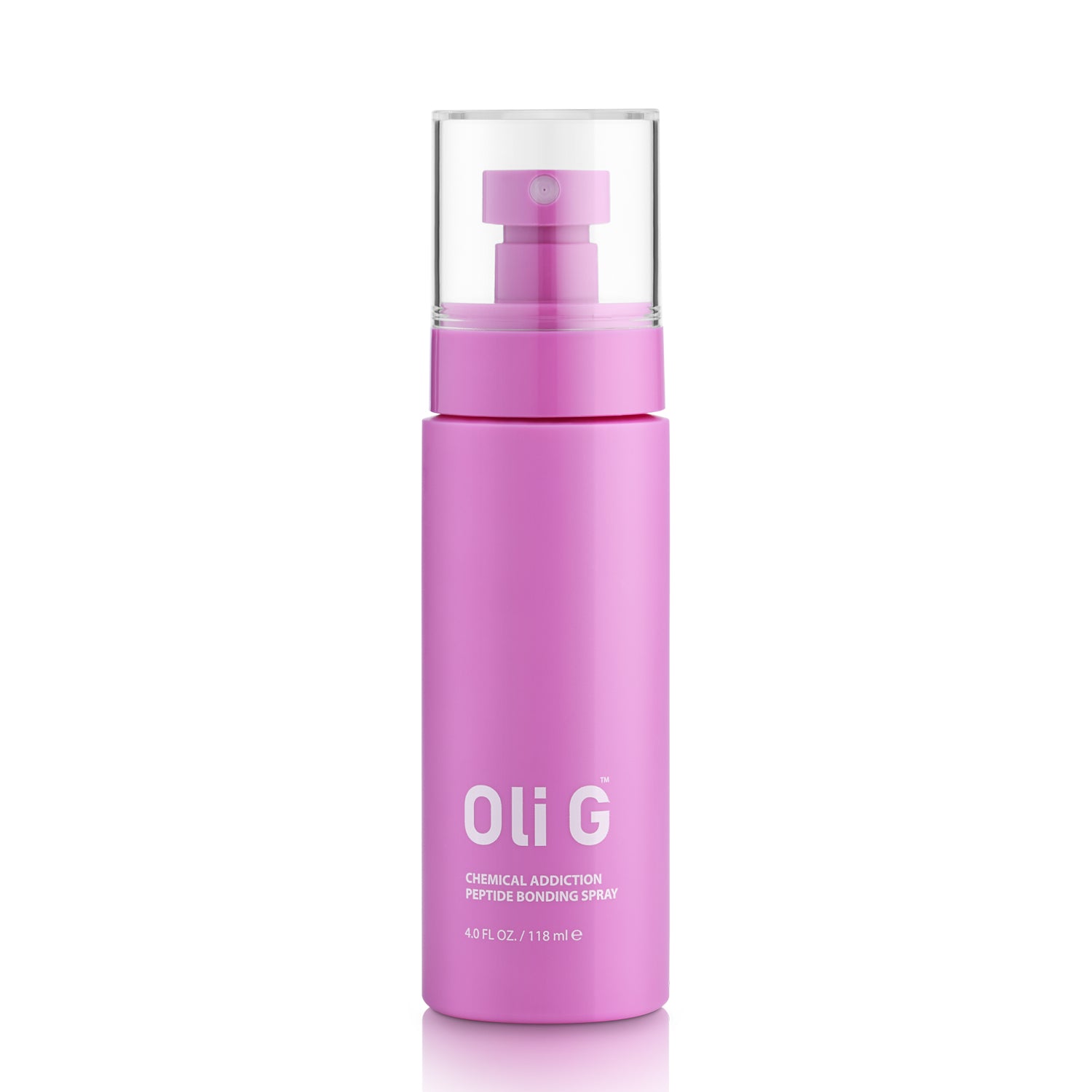
- Heat protection (Chemical Addiction Peptide Bonding Spray) on every heat styling, every time
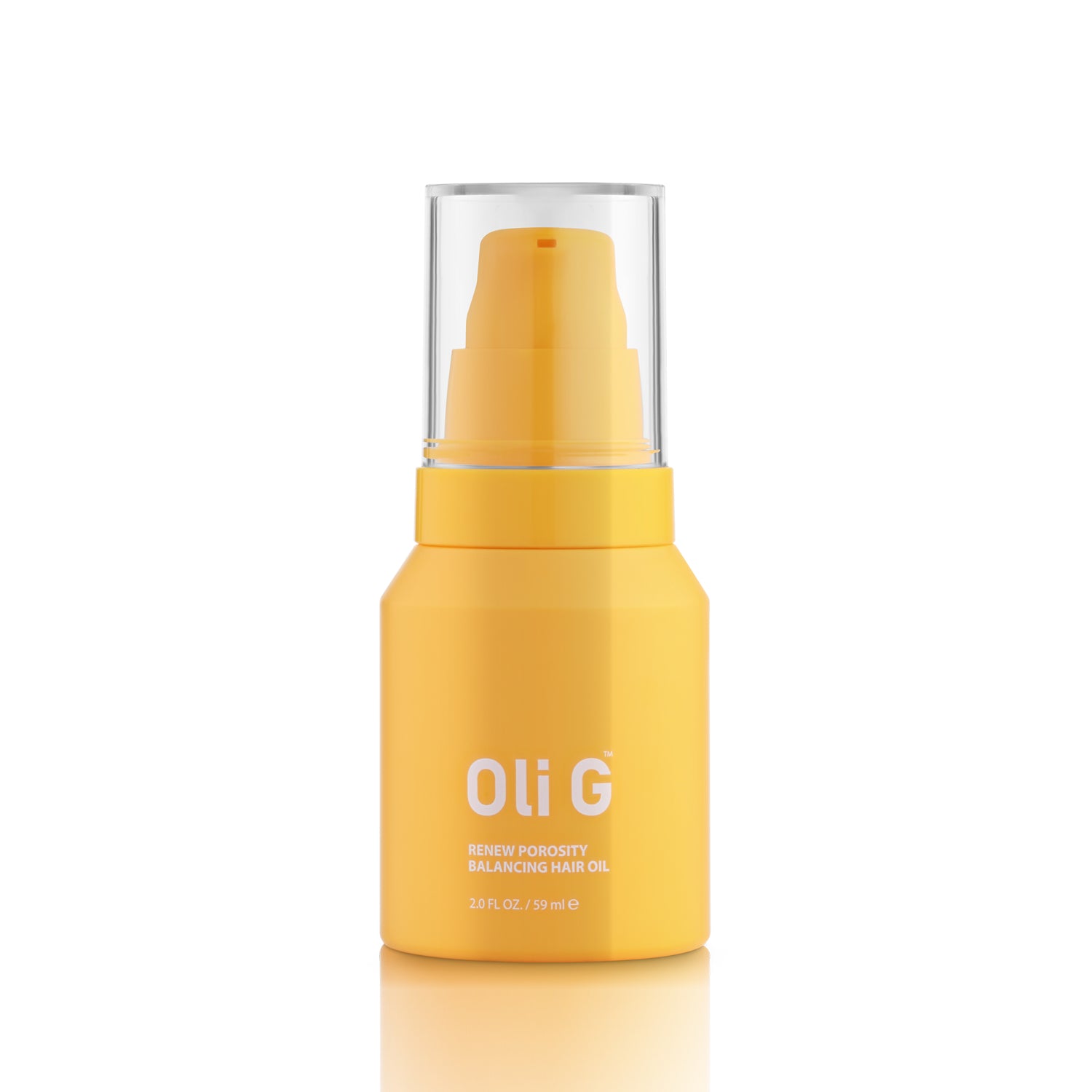
- Sealing oil (Renew Porosity Balancing Oil) on the ends after every wash
- A trim every 8 weeks — the visibility of split ends on Type 1 is the highest of any texture
Rule 3: scalp care matters more than you think
Because Type 1 hair shows root oil within 24 hours of a wash, the temptation is to over-cleanse. This is the source of the chronic "greasy roots, dry ends" problem — and Type 1 is the most-affected texture. The fix isn't more shampoo; it's better shampoo, less often, and a healthier scalp underneath. See the scalp health primer for the foundation; the gist is fewer-but-better washes plus deliberate scalp massage.
The Type 1 wash day
- Pre-wash scalp massage. Two minutes with Oli G Scalp Brush. Distributes the oils and stimulates circulation before water hits.
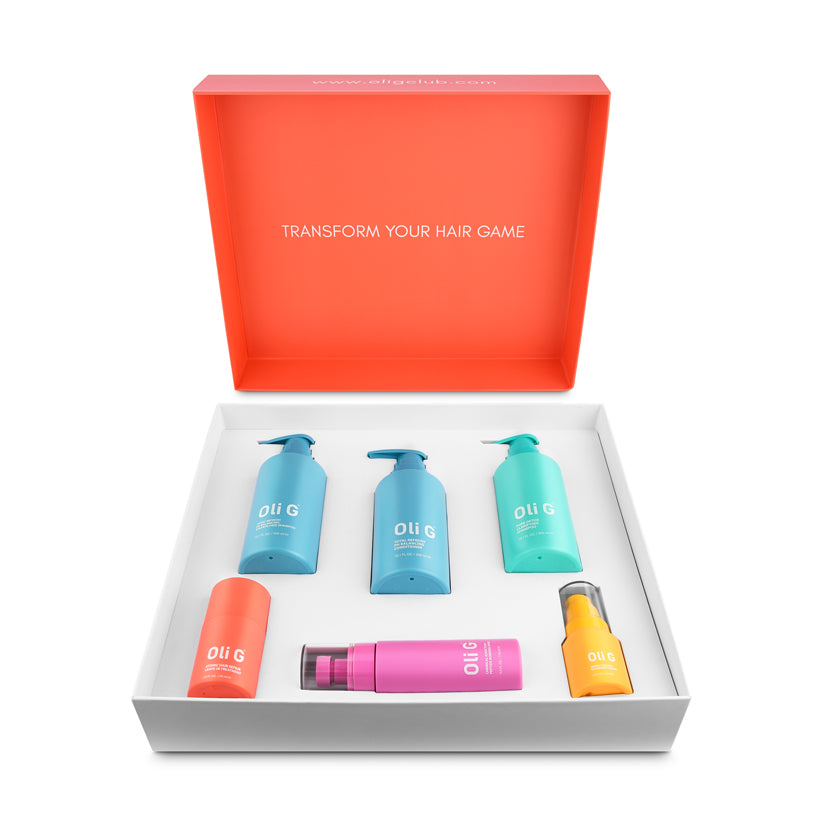
- Shampoo at the scalp only. Total Refresh pH Balancing Shampoo for normal washes. Pure Detox Clarifying Shampoo once every 10–14 days.
- Conditioner on mid-lengths and ends only. Skip the roots completely. Total Refresh pH Balancing Conditioner works; once a week, swap for AquaLush Peptide Hair Mask for a deeper treatment.
- Cool rinse at the end. Cool water helps the cuticle lay flat — and Type 1 hair is the most rewarded for this because lay-flat = shine.
- Towel-dry to damp, not dry. Microfiber or t-shirt squeeze.
- One pump of Atomic on damp hair, ends first. Stop two to three inches above the roots.
- One drop of Renew oil on the ends. For shine and seal. Don't go above the bottom three inches.
- Blow-dry root to tip with the nozzle pointed down. Encourages cuticle alignment, which is everything on Type 1.
What kills Type 1 hair's potential
Daily flat-ironing without protection. Repeated high heat on already-smooth hair is the fastest way to fry the ends. Lower the temperature to 320°F (most Type 1 hair styles fine at this), use protection, never go over a section more than twice.
Tight ponytails in the same spot. Type 1 hair shows breakage from friction more obviously than any texture. Move your hair tie around. Use silk scrunchies.
Wash-day rituals that strip too much. If your roots look oily by hour twelve after a wash, the problem usually isn't your scalp — it's that you over-stripped, and the scalp is compensating. See the greasy roots, dry ends post for the full recovery routine.
The styling shortcut for Type 1
The single highest-leverage move for Type 1 hair: blow-dry with intention. Section the hair, point the nozzle from root to end (never sideways), brush through with a round brush in the direction you want the strand to lay. Five extra minutes during your blow-dry replaces an hour of styling later, and the smoothness lasts for two or three days.
The signs it's working
Within one wash: more shine, less frizz at the canopy. Within two wash cycles: roots that stay cleaner for an extra day. Within a month: the kind of glossy, swing-y movement that Type 1 hair is uniquely capable of when it's actually healthy.
Type 1 isn't boring. It's just exacting. Get the routine right and it has its own particular kind of beauty — the one every other hair type spends money trying to fake with flat irons.