"pH-balanced" is on half the bottles in haircare. Here's what that actually means — and why the cuticle's response to acid vs alkaline is the difference between hair that holds and hair that frays.
You've seen the words on labels: pH-balanced, pH-optimized, pH-correct, pH-restored. They sound like chemistry. They usually go unexplained.
That's a shame, because pH is one of the few haircare claims that's almost always true when it appears — the chemistry of a product's pH is non-negotiable, measurable, and the most overlooked variable in why your routine works or doesn't. Here's what it actually means, why it matters more than you've been told, and which step in the routine exists specifically to handle it.
The basics, in fifteen seconds
pH is a scale that measures how acidic or alkaline a substance is. It runs from 0 (most acidic) to 14 (most alkaline), with 7 being neutral. Water sits at 7. Lemon juice is around 2. Baking soda is around 9. Bleach is around 12.
Your hair sits between 4.5 and 5.5 — slightly acidic. That's the native pH the strand evolved to function at. Anything that pushes the hair out of that zone changes how the cuticle behaves.
What pH does to the cuticle
The cuticle — that overlapping-roof-tile outer layer of every hair strand — is dynamic. It opens and closes based on the pH of whatever it's exposed to.
At a higher pH (alkaline), the cuticle scales lift away from the strand. The hair becomes more porous; water and product flood in, but they also flood out. Color leaches. Shine dulls. Tangles set in. The strand feels rough between your fingers.
At a lower pH (acidic), the cuticle scales close down and lay flat against the strand. The hair becomes less porous; what's inside stays inside. Color holds. Shine returns. The strand feels smooth.
That's the entire story of why some products leave hair feeling sleek and others leave it feeling like straw. It's not the silicones, it's not the conditioner — it's the pH the product left the cuticle in.
Why most shampoos are part of the problem
Most conventional shampoos run at a pH between 7 and 9 — neutral to mildly alkaline. The reason is historical: stronger surfactants work in alkaline conditions, and the foaming experience consumers grew up associating with "clean" requires that environment.
The trade-off is that every wash lifts the cuticle. The hair feels rough getting out of the shower, which is why conditioner exists — to coat the lifted cuticle in cationic surfactants and smooth it back down by force. It works, but it's a constant correction of a problem the shampoo created.
A pH-balanced shampoo skips that loop. It cleanses in the native acidic zone of the hair, leaving the cuticle in roughly the position it was already in. Less correction needed. Less long-term cuticle damage.
Why chemically processed hair has a pH problem
Bleach, permanent color, and chemical straighteners all work by raising the pH of the hair dramatically — somewhere between 9 and 12, well into alkaline territory. They have to, because that's the only way to open the cuticle enough for color molecules (or bleach) to reach the cortex.
A good colorist or stylist will rinse and seal the hair with a low-pH conditioner or finishing rinse at the end of service. That brings the strand most of the way back toward native pH. But "most of the way" isn't "all the way," and the next several washes are when the bulk of color fade and post-service damage happen — because the cuticle is still in a slightly compromised state, and a normal alkaline shampoo accelerates that.
This is why color-treated hair specifically needs pH-balanced cleansing. Not as a preference — as the only way to stop the bleed.
How 04 Balance handles this
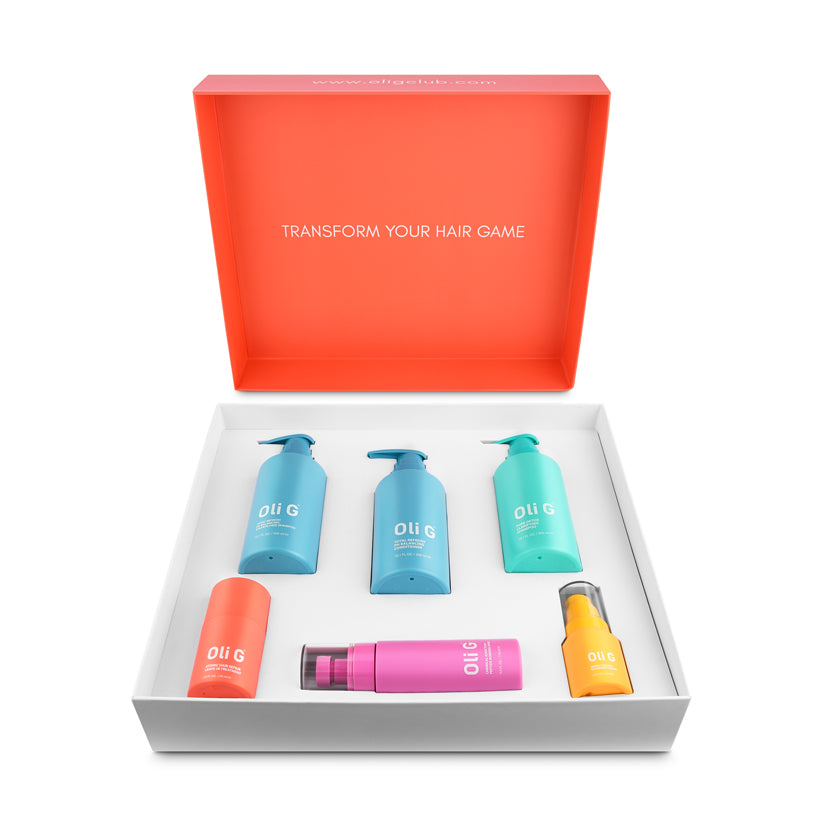
Five steps. One ritual. Seven products. 04 Balance exists specifically for pH — the step in the architecture whose entire job is keeping the cuticle in the zone where everything else works better.
The duo: Total Refresh pH Balancing Shampoo and Total Refresh pH Balancing Conditioner. Both formulated to sit in the 4.5–5.5 native zone — cleansing and conditioning without the cuticle disruption conventional shampoos create.
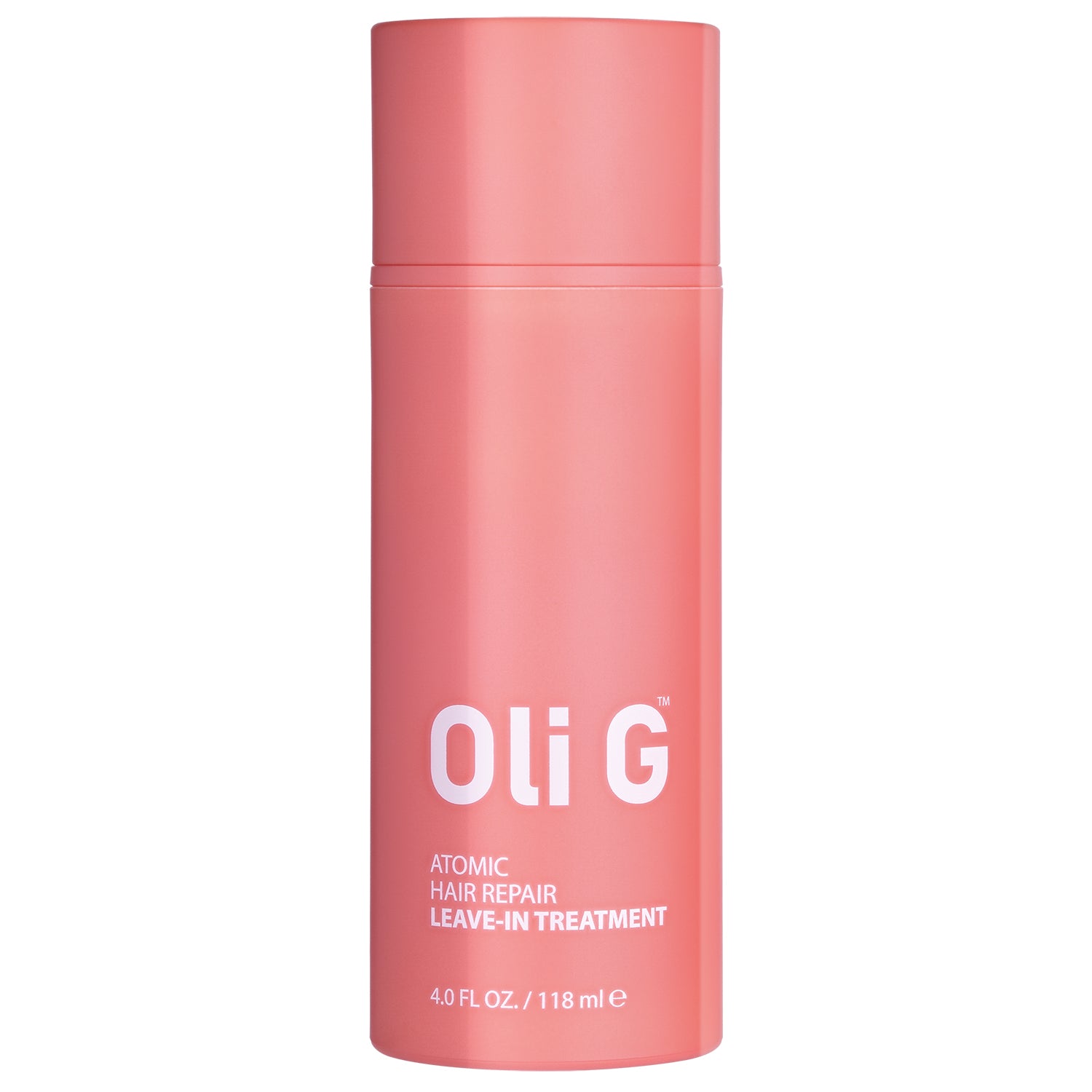
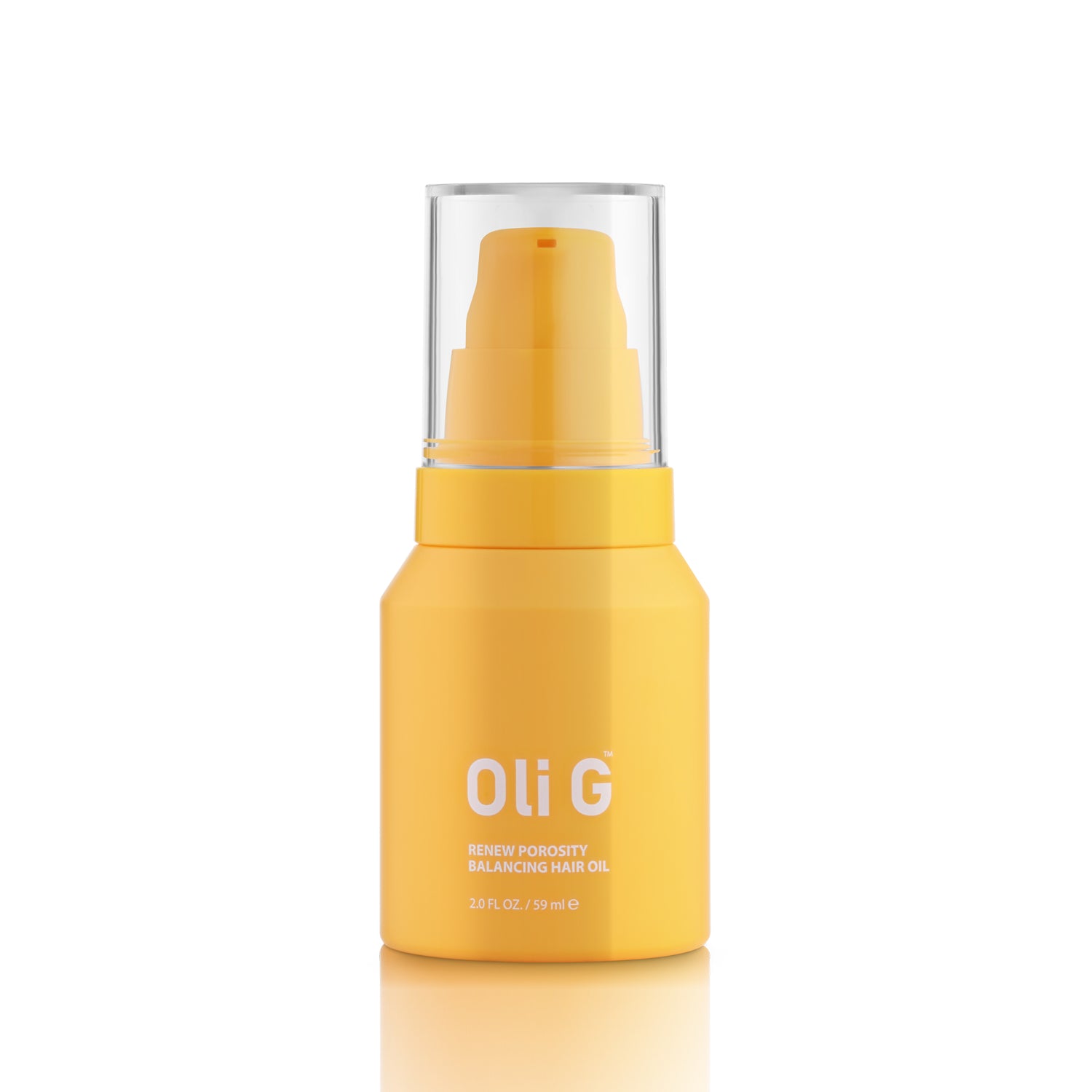
What that means downstream: 05 Restore with Atomic can deposit peptides into a cuticle that isn't fighting itself. 03 Nourish with Renew seals more effectively because the cuticle is already mostly closed. 01 Cleanse with Pure Detox can do its deeper reset every 7–14 days without leaving the strand in a lifted state — Pure Detox is sulfate-free, in the same pH-friendly zone. Color holds longer. AquaLush lands deeper. The whole architecture compounds, because the pH baseline is right.
The 04 Balance step is doing the quiet work that makes every other step's work last.
04 Balance
Total Refresh pH Balancing Shampoo and Conditioner — the pH-balanced duo that cleanses and conditions in the cuticle's native zone. The baseline that lets the rest of the routine compound.
For why peptide work depends on a cuticle that isn't fighting itself, see What's a Peptide, Really? For when to swap your daily shampoo for a deeper reset, see Cleanse vs Clarify: When to Use Pure Detox.