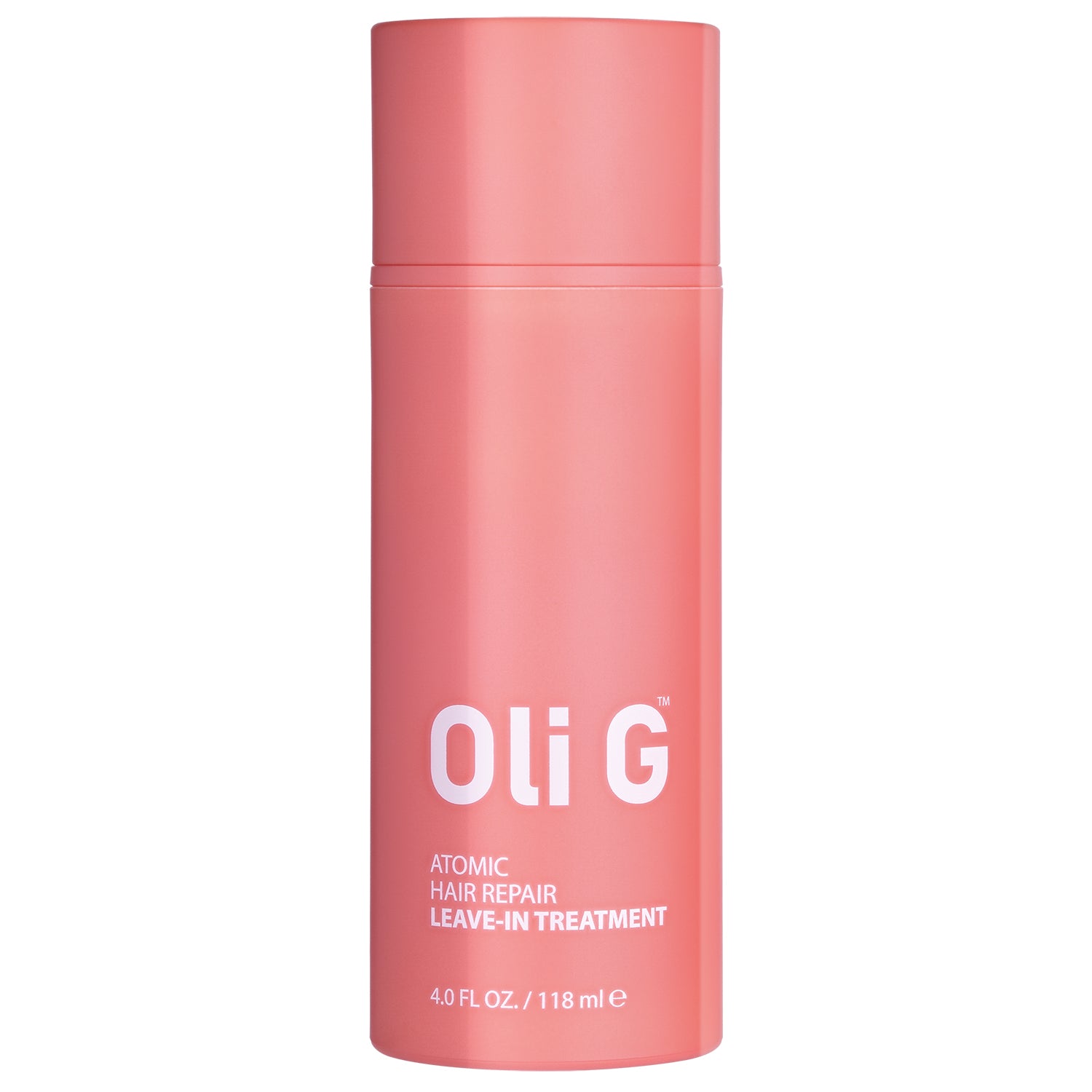
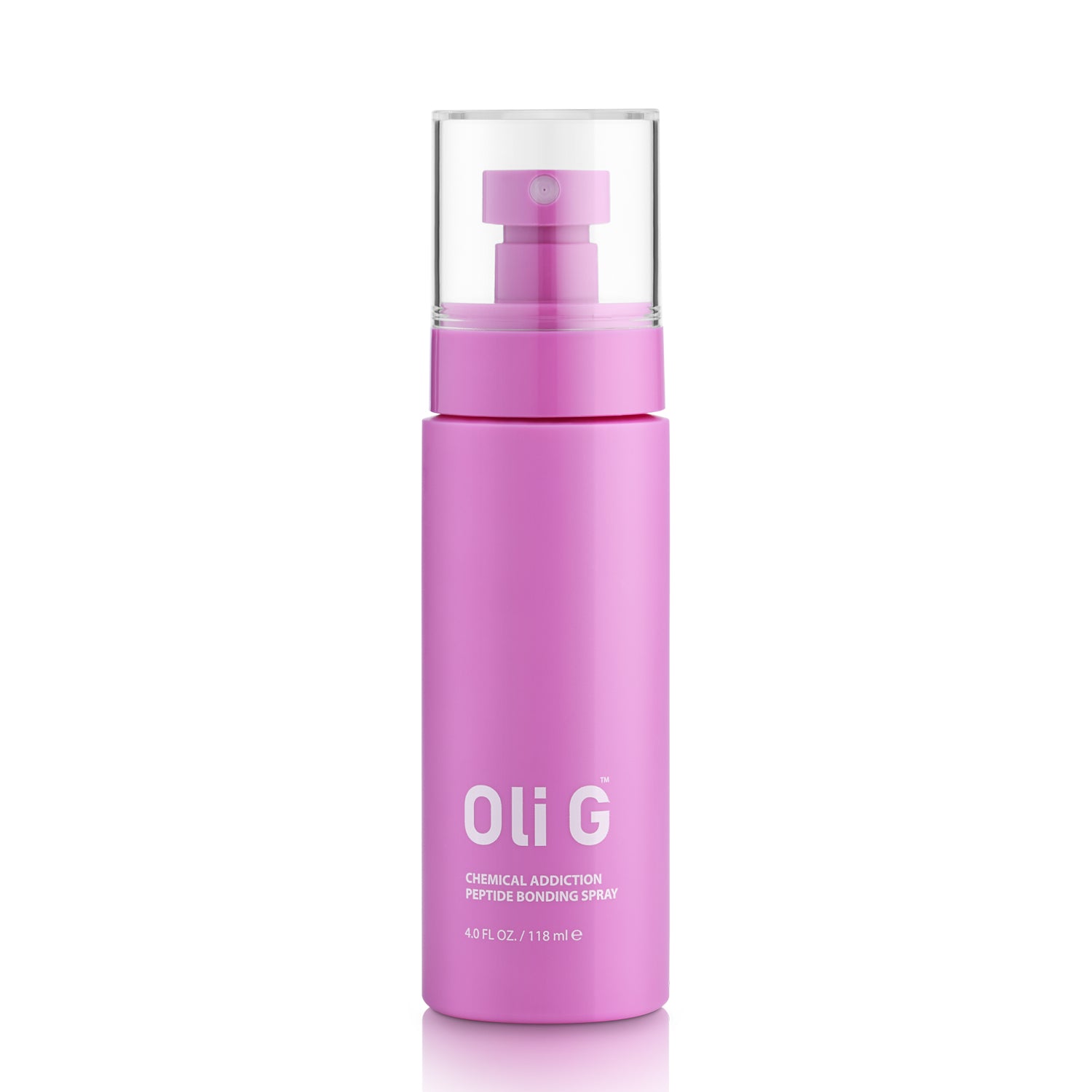
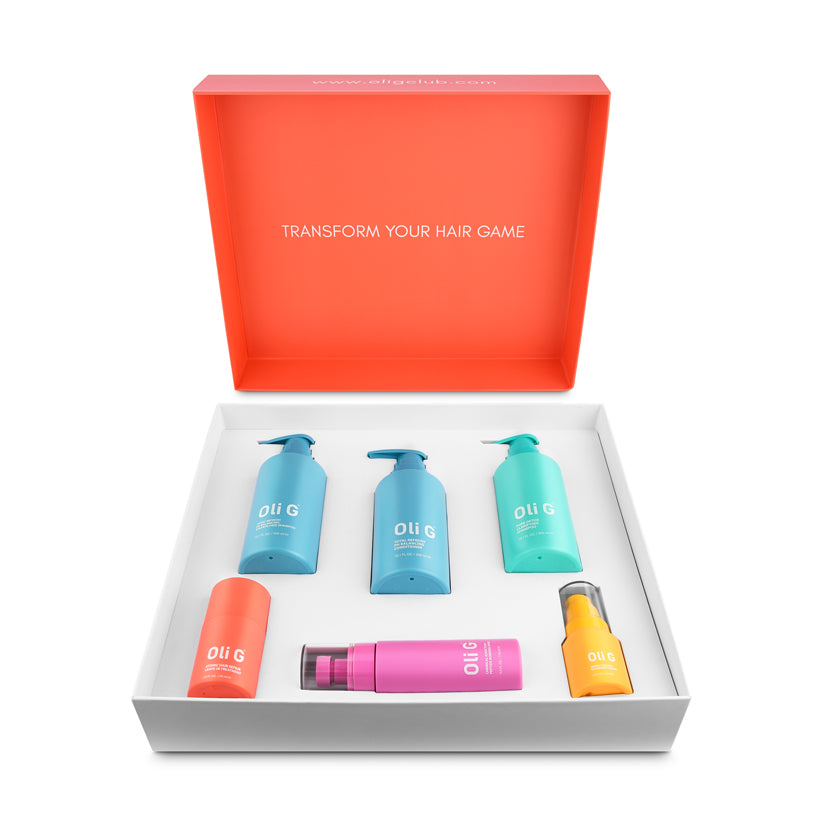
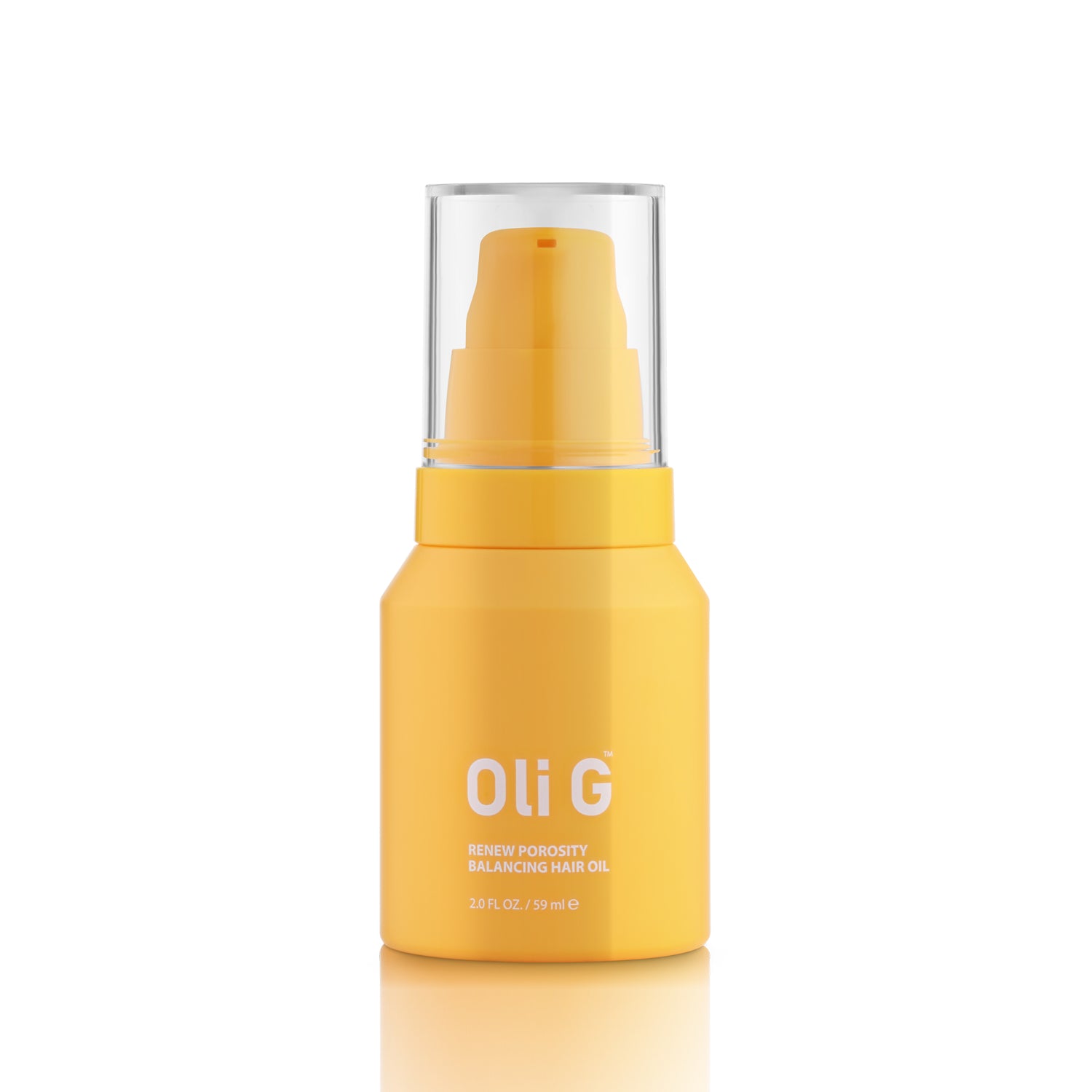
Sebum is the lipid layer your scalp makes to protect your hair. Color, heat, and time deplete it. Here's why jojoba-based oils replace what's missing — and why most oils don't.
The most under-discussed layer in haircare is the one that's been on your hair since you were born and is slowly going missing. It's called the lipid layer — a thin film of natural oil produced by glands in your scalp that coats the strand from root to tip. Healthy hair has it. Damaged hair has less of it. Most hair routines are doing nothing about that.
This is the story behind 03 Nourish in the architecture, and the reason a small bottle of jojoba-based oil does real cuticle work. Here's what the lipid layer is, why it disappears, and how to put it back.
What sebum actually does
Sebum is the oily secretion produced by sebaceous glands at the base of every hair follicle. It coats each strand as it grows, and the strand carries that coating along its length. The job is multi-part:
- Moisture seal. Sebum is hydrophobic — it repels water on the surface while letting the strand retain its internal moisture. Hair that's lost its sebum coating loses internal water faster.
- Cuticle lay. The lipid layer physically holds the cuticle scales flat against the strand. Without it, the cuticle is more prone to lifting under mechanical or chemical stress.
- UV and oxidation buffer. Sebum contains squalene and other antioxidants that absorb some UV and reduce oxidative damage from sun exposure and environmental pollutants.
- Strand-to-strand glide. The lipid coating reduces friction between adjacent hairs, which reduces mechanical breakage over time.
Healthy hair on a healthy scalp keeps this layer replenished naturally. Sebum is constantly being produced at the root and migrating down the strand. The system works on its own — when it can.
Why damaged hair runs out of it
Three things deplete the lipid layer faster than the scalp can replenish it:
Chemical services. Color, bleach, and chemical straighteners use alkaline conditions that strip the lipid coating along with opening the cuticle. The strand exits the service drier than it entered. (For why this matters at the chemistry level, see Why pH Matters: The Cuticle Story.)
Heat tools. The lipids in sebum have a relatively low smoke point — somewhere around 250°F to 300°F. Flat irons and curling irons run well above that. The lipid layer that's still on the strand gets thermally degraded with every styling session. (02 Protect with Chemical Addiction addresses the structural bond damage from the same source — see Heat Damage and Why Peptide Bonding Sprays Work.)
Time and friction. Sebum migrates down the strand slowly, and longer hair has more strand to coat. By the time the hair is past the shoulders, the ends are often months away from their last sebum coating. Mechanical friction — brushing, towel-drying, pillowcase rubbing — accelerates the loss.
The cumulative effect: by mid-shaft and especially at the ends, the strand is structurally lipid-poor. The cuticle is more prone to lifting. Color leaches faster. The hair feels rougher. The compounding loop of damage starts there.
Why jojoba specifically
This is where the chemistry matters. Most hair oils are triglyceride-based — coconut oil, olive oil, almond oil, argan oil, and many others. Triglycerides are the dominant lipid class in plants. They coat the cuticle and provide some sealing benefit, but their molecular structure is fundamentally different from human sebum.
Sebum, by contrast, is a mix of triglycerides, wax esters, squalene, and free fatty acids. The wax esters are the structurally interesting part — they're relatively rare in plant oils and they're a major component of what makes sebum behave like sebum.
Jojoba is the closest plant-derived match. Despite being commonly called an oil, jojoba is technically a liquid wax — its molecular structure is dominated by wax esters rather than triglycerides. Functionally, that means it absorbs at a similar rate to native sebum, sits at similar viscosity, and doesn't oxidize as quickly as triglyceride oils do. The cuticle treats it more like the lipid layer it lost than like a foreign coating to be washed off. (For the broader principle that molecular structure determines what a product can actually do, see What's a Peptide, Really?)
This is the design behind Renew Porosity Balancing Oil at 03 Nourish — a jojoba-led formula chosen for its structural similarity to native sebum, not for the surface shine effect most oils deliver.
How a few drops compound
The application is deliberately small. Two to three drops, on damp mid-lengths to ends, after every wash. Skip the roots — the scalp is producing its own sebum there, and adding oil at the root suppresses the natural cycle and contributes to greasy roots two days later.
What changes over time:
- Week one. The ends feel softer immediately, more aligned. Some of the rough mid-shaft texture starts to smooth.
- Week four. The cuticle sits flatter under mechanical stress. Less breakage on the brush. Color holds longer between salon visits.
- Month three. The strand's lipid baseline has shifted. Damaged ends behave more like sebum-coated ends did before the damage compounded.
This is the slowest-acting step in the routine. It's also one of the most compounding — six months of two drops per wash adds up to a measurably different cuticle state.
Where it lives in the architecture
03 Nourish is part of the daily floor on every wash day. How to Build a Weekly Cadence places it alongside 04 Balance and 05 Restore as the three steps that repeat without variation across every wash, regardless of whether it's a mask day or a clarify day.
For color-treated hair specifically, 03 Nourish addresses the lipid loss mechanism of color fade — one of the four mechanisms detailed in Color-Treated Hair: A Five-Step System That Actually Holds. The lipid replacement is what keeps the cuticle sealed enough to hold the color and the peptide work from 05 Restore where it landed. On mask days, when AquaLush has done its deepest weekly peptide deposit, Renew is what seals that work in for the days that follow.
03 Nourish
Renew Porosity Balancing Oil — jojoba-based finishing oil for damp mid-lengths and ends after every wash. Two to three drops. The lipid layer your hair stopped making — replaced where it's needed most.